

State Secretary Grašič at Gymnich on the vital role of diplomacy in resolving current conflicts
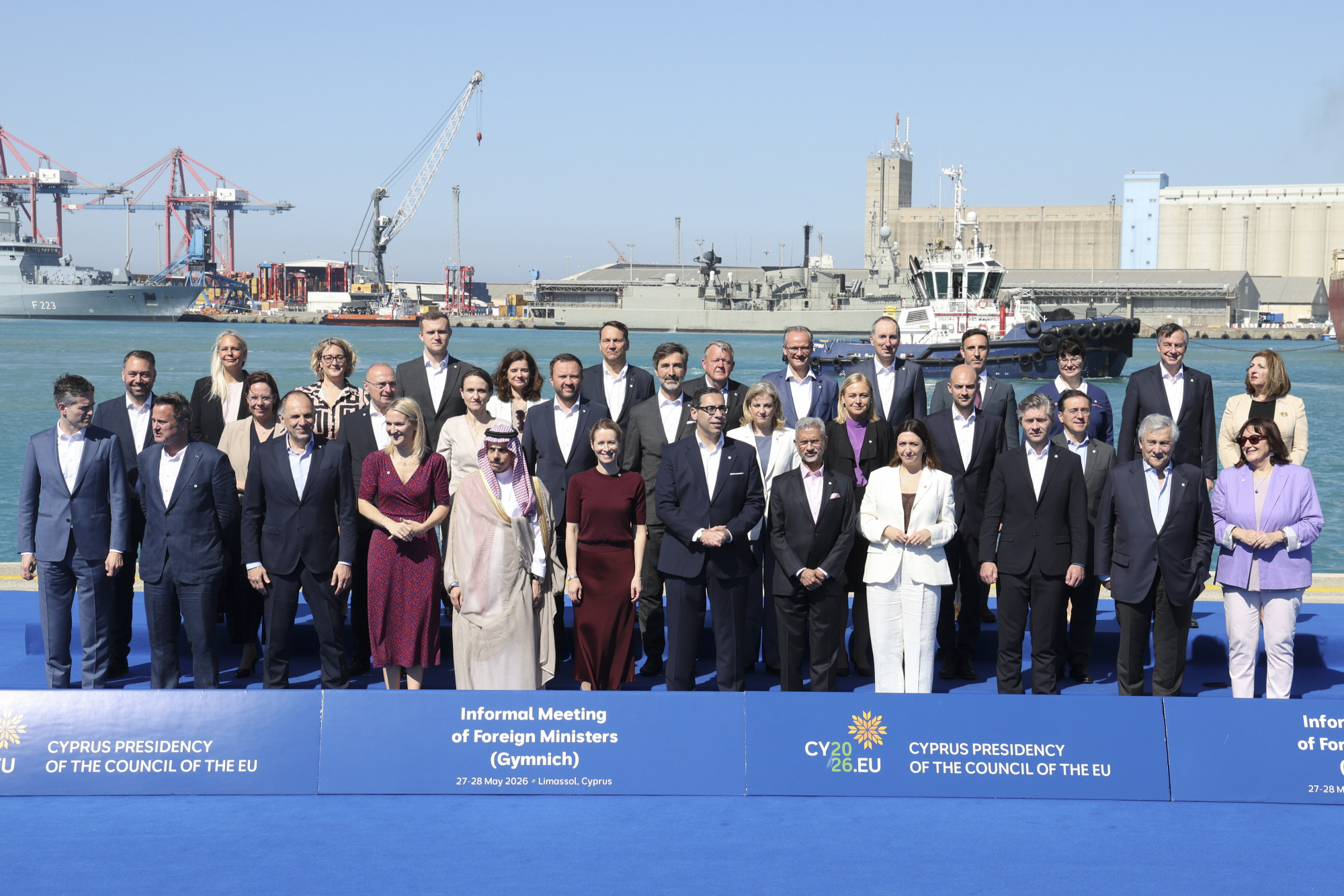
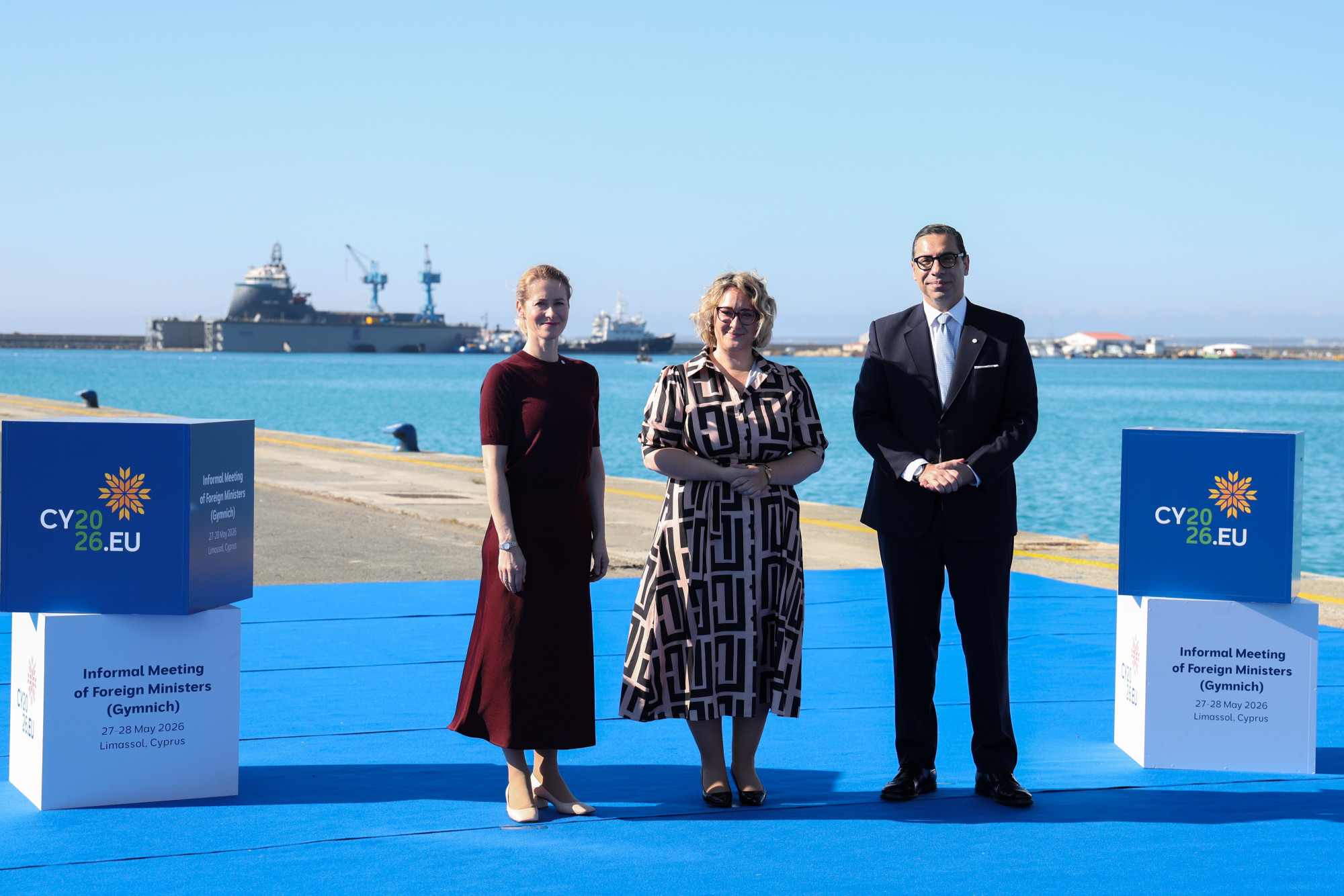
The hosts of the meeting, High Representative for Foreign Affairs and Security Policy Kaja Kallas and Cypriot Foreign Minister Constantinos Kombos, invited Indian External Affairs Minister Dr Subrahmanyam Jaishankar and Saudi Foreign Minister Prince Faisal bin Farhan Al Saud to join the first session as key EU partners in addressing global geopolitical and geo-economic challenges.
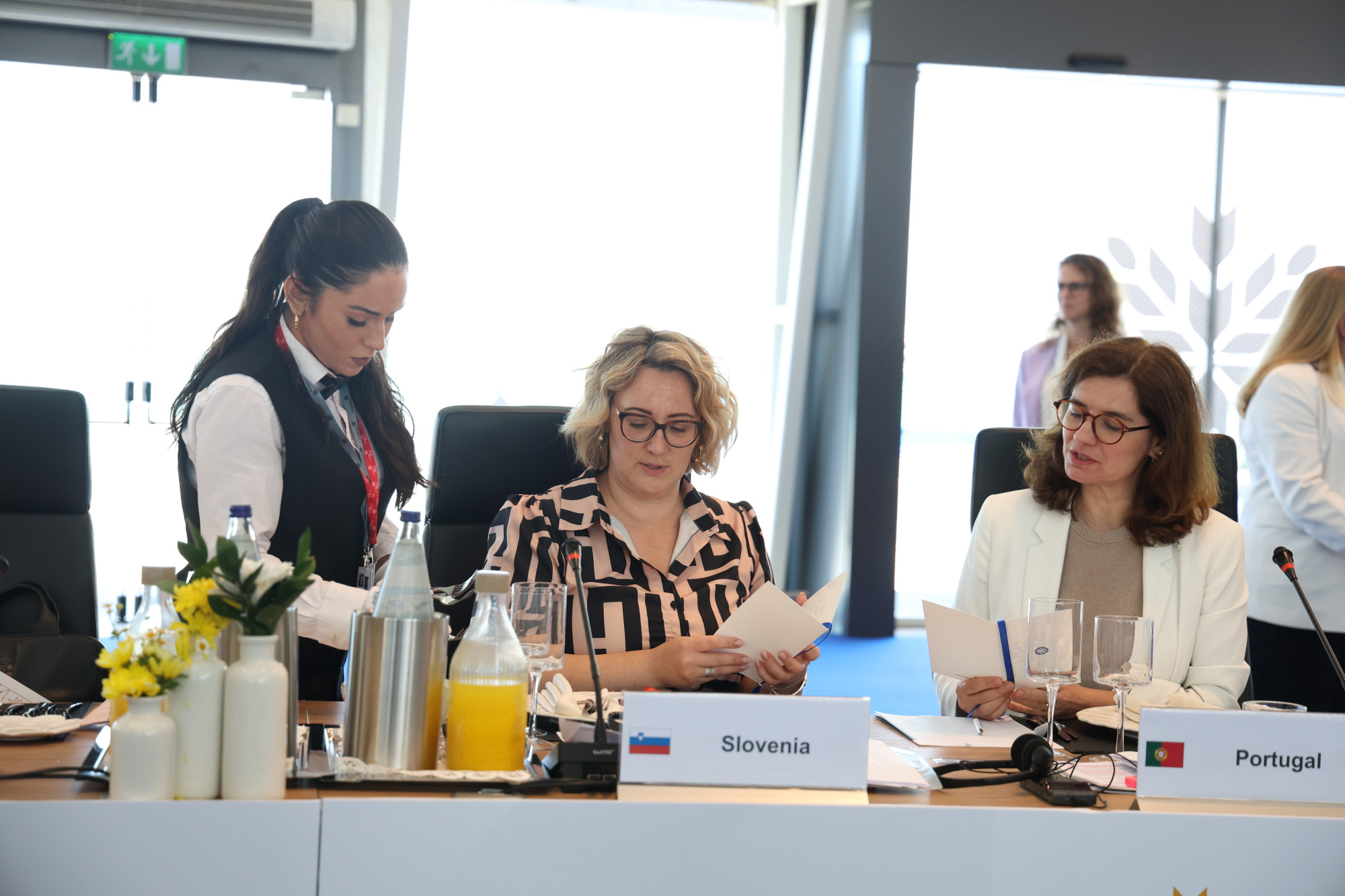
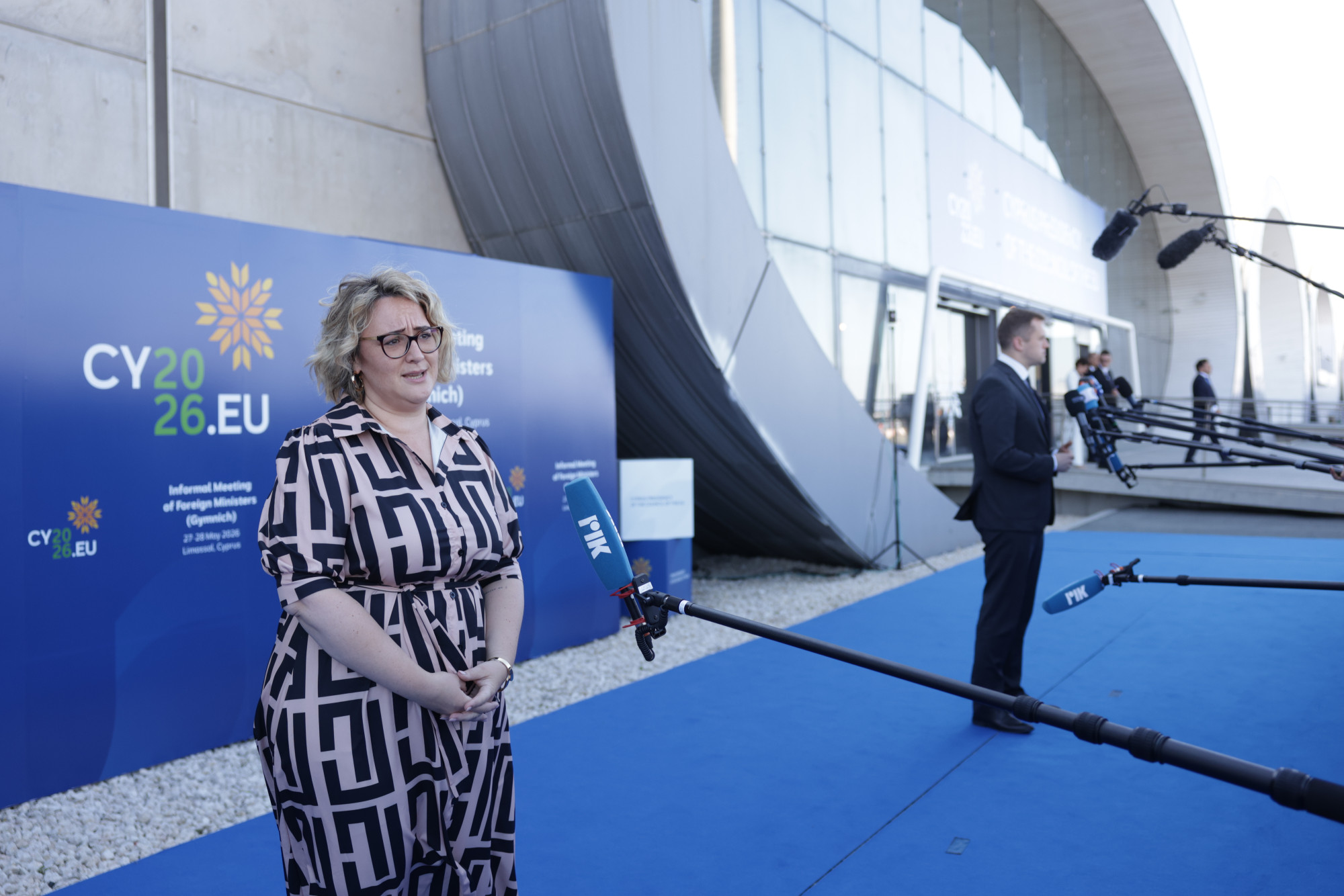
The discussion focused primarily on developments in the wider Middle East, including the status of negotiations between the United States and Iran, the situation in the Strait of Hormuz and the Gulf, and the broader geopolitical implications of the conflict. “I welcome regular dialogue with partners from the Gulf and Indo-Pacific regions on issues of mutual interest. We must strive to resolve conflicts through peaceful diplomatic means, ensure respect for international law, guarantee freedom of navigation in the Strait of Hormuz and prevent further escalation across the wider Middle East region,” State Secretary Grašič emphasised.
Participants also addressed the critical situation in Lebanon, Gaza and the West Bank. Many countries called for a more decisive EU response, including the introduction of sanctions targeting trade in goods originating from illegal Israeli settlements. Some also called for sanctions against Israeli ministers accused of extremism. Participants agreed on the urgent need to implement the peace plan for Gaza in accordance with UN Security Council Resolution 2803 in order to preserve the two-state solution as the only viable path towards lasting peace and security for both Israel and Palestine.
This was followed by an in-depth discussion on Russia’s aggression against Ukraine, focusing on the EU’s role in the peace process, the protection of EU interests in relation to Russia, and the Union’s expectations and demands towards Russia. Slovenia reiterated its support for a stronger EU role in efforts to achieve a lasting peace acceptable to Ukraine and underpinned by robust security guarantees. “Respect for international law, including the principles of sovereignty and territorial integrity, as well as ensuring accountability for crimes committed and damage caused, are key messages that the EU should uphold in any contact with Russia,” the State Secretary pointed out, noting that a stable and secure Europe is in the Union’s vital interest.
Participants agreed that continued and united EU support for Ukraine remains essential, alongside sustained pressure on Russia. As Russia has shown no willingness to agree to a ceasefire or engage in serious negotiations, participants endorsed the swift preparation of the 21st package of sanctions. During the Gymnich meeting, Slovenia described Russia’s threats of further attacks on Kyiv, as well as demands for diplomats and foreign nationals to leave Ukraine, as unacceptable.
The ministerial discussion on elements of the European security strategy, originally scheduled for this meeting, will now take place at a later date.