

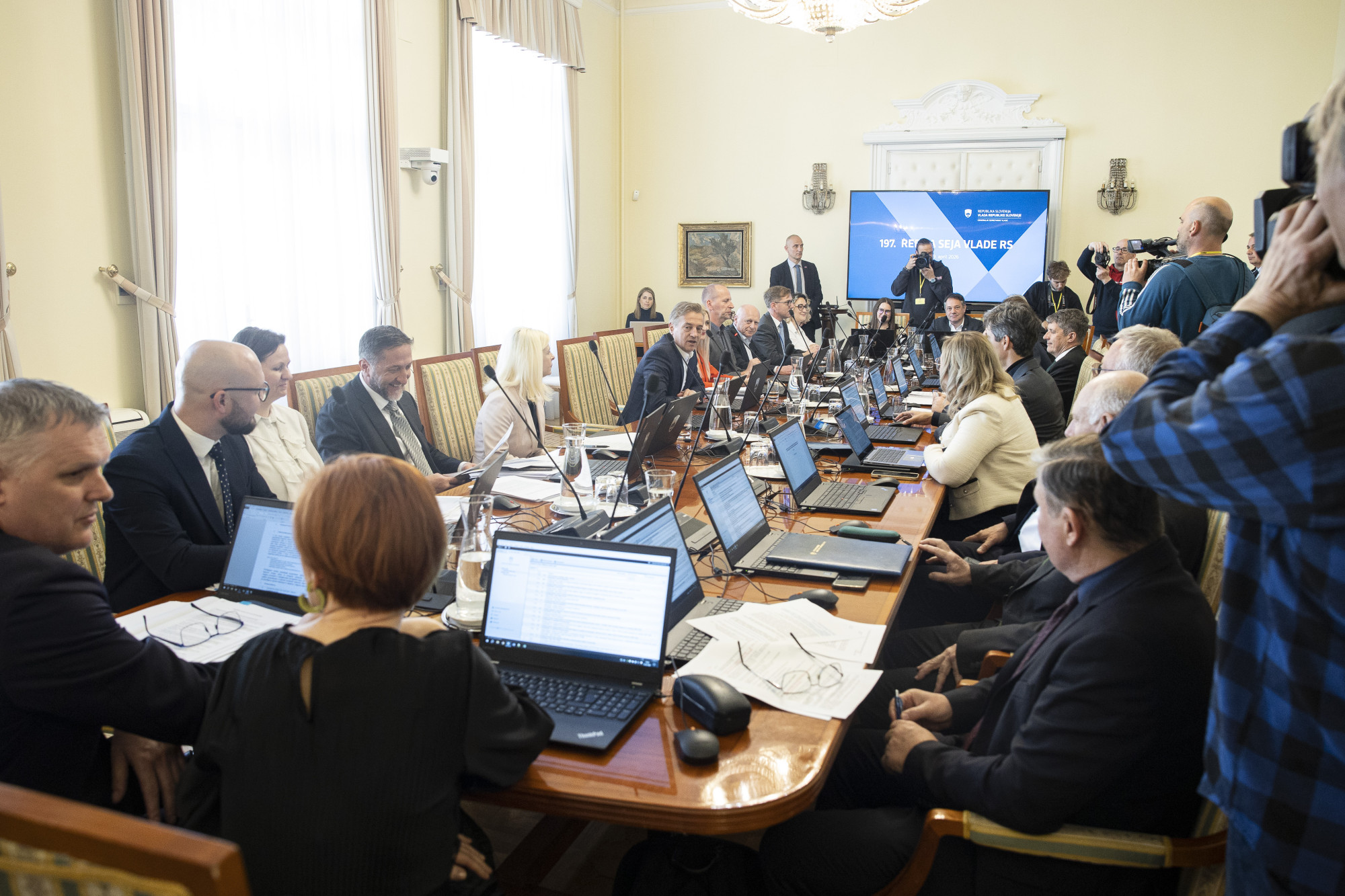
197th regular session of the Government of the Republic of Slovenia
The Government adopted a decision calling on gas balance group holders to immediately begin concluding contracts for gas storage and supply and to ensure sufficient quantities of gas in a timely manner for the upcoming heating season. Gas reserves are crucial for reliable supply during the winter, when consumption increases significantly. Storage facilities are typically filled from spring to autumn, making the timely conclusion of contracts essential to secure the required volumes. Current storage levels in the EU are lower than in previous years, further underscoring the importance of early action. Timely filling of storage reduces the risk of supply disruptions and limits the impact of seasonal price fluctuations. Securing reserves before the start of the heating season helps suppliers avoid increased market pressure and potential price spikes in the autumn months. The measure is also important from the perspective of energy security. Geopolitical tensions and global market conditions may affect gas supply, so adequate reserves enable stable supply even in the event of disruptions. The objective of the measure is to ensure stable, secure and as predictable as possible gas supply for households and the economy during the winter period.
The Government also issued a regulation requiring prior approval for price increases of electricity and natural gas for certain groups of consumers. The measure is targeted and time-limited, aimed at managing risks arising from unstable conditions in energy markets. Sudden and significant price increases can directly threaten the social security of households, increase the risk of energy poverty, and affect access to basic goods. By introducing prior government approval, a mechanism is established for timely and controlled responses to price pressures, preventing disproportionate price increases and maintaining stable living conditions. The regulation contributes to the protection of households and other vulnerable consumers and to greater stability of energy supply. At the same time, it enables better oversight of price formation and reduces the risk of additional inflationary pressures.
The Government also took note of the draft Social Climate Plan for the period 2026–2032, which represents a key step towards a just green transition in Slovenia. The plan unlocks access to nearly €480 million in funding aimed directly at supporting the most vulnerable. At the forefront of the measures is the fight against energy poverty, which is becoming one of the key social issues. The plan’s goal is to ensure that no one is left without access to basic energy services due to rising prices or the transition to a low-carbon society. To this end, it provides for concrete measures: from grants for energy-efficient home renovations and support for the use of renewable energy sources, to advisory services and the inclusion of households in energy communities. It also addresses transport poverty by introducing new forms of accessible and sustainable mobility. The Social Climate Plan is therefore both an environmental document and a social instrument, ensuring that the green transition is fair, inclusive, and focused on improving people’s quality of life.
Slovenia has successfully implemented twelve out of fifteen recommendations, while three have been partially implemented, according to the Second Addendum to the Second Compliance Report of GRECO on Slovenia’s implementation of recommendations in the fifth evaluation round – prevention of corruption and promotion of integrity in central government (top executive functions) and law enforcement agencies – Second Addendum to the Second Compliance Report GrecoRC5(2025)21. GRECO notes, among other things, that progress has been observed among top executive officials and law enforcement bodies (police), and that all recommendations have been met, demonstrating the police’s commitment to implementing GRECO recommendations by improving systemic solutions to reduce corruption risks, strengthening staff integrity, enhancing the reputation of the police profession, and promoting organisational integrity. The Government took note of this report, which was adopted in November last year at a GRECO plenary meeting, at today’s session.