

196th regular session of the Government of the Republic of Slovenia
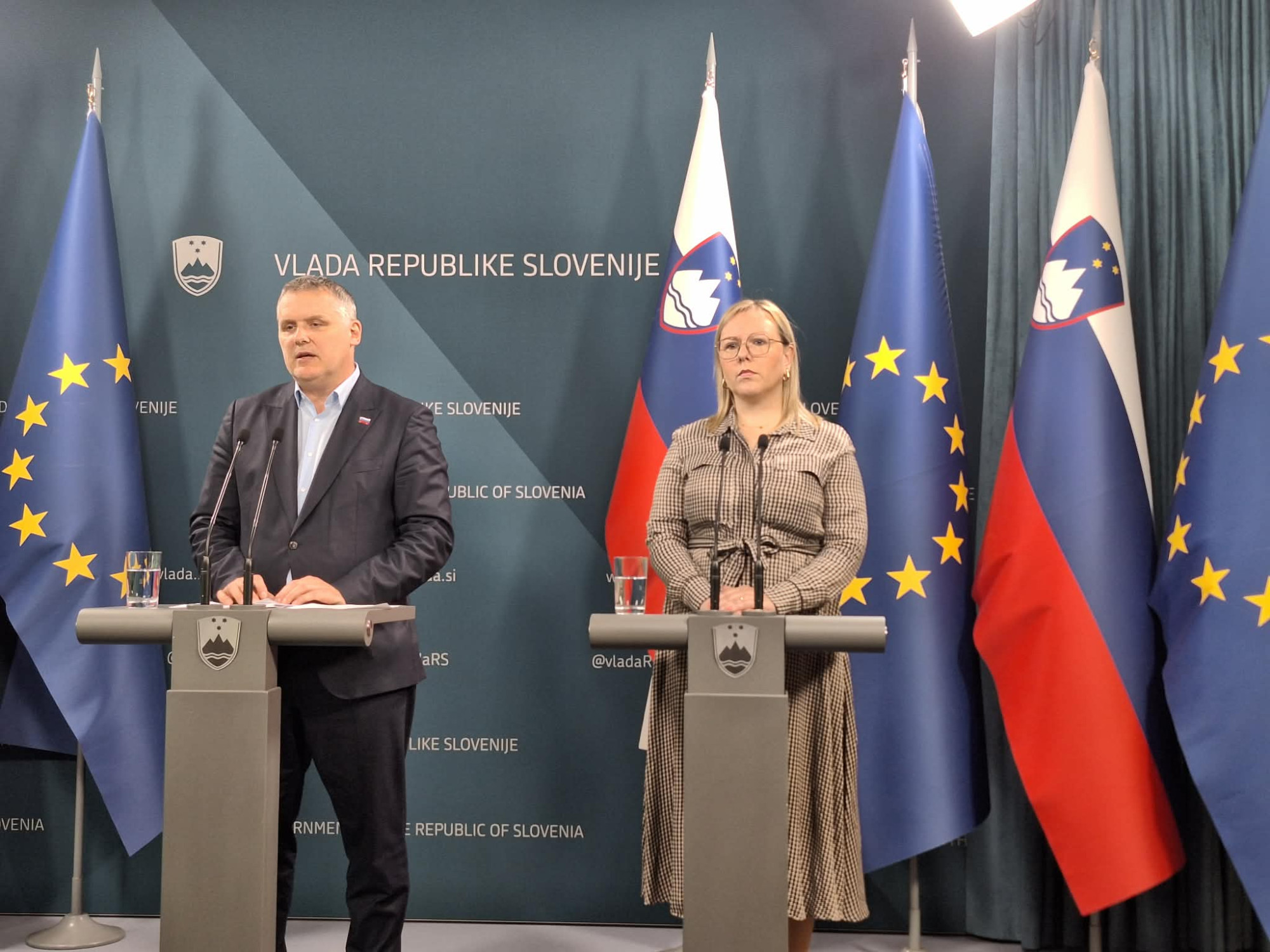
Author Screenshot
At today’s session, the Government adopted the Starting Points for the preparation of legislative frameworks related to energy security and the reliable supply of essential goods and services in the country. The Government of the Republic of Slovenia tasked the Ministry of the Environment, Climate and Energy, in cooperation with other competent ministries, with preparing draft legislative solutions to ensure energy security and the reliable supply of essential goods and services in the country.
In today’s global environment, marked by geopolitical tensions and disruptions in supply chains, the vulnerabilities of existing supply systems are becoming increasingly evident. These challenges call for a coordinated, cross-sectoral approach to strengthening resilience and the reliability of supply. Ensuring a stable and secure supply of essential goods and services is one of the fundamental responsibilities of the state and a key prerequisite for the uninterrupted functioning of society and the economy.
In certain areas, the Republic of Slovenia has already established effective mechanisms for ensuring security of supply, with the system of commodity reserves playing an important role. This system represents a key instrument for managing supply disruptions and ensuring the availability of essential goods in times of crisis, such as natural disasters, energy crises, supply chain disruptions or other emergency situations. It enables the establishment of strategic reserves of key products, such as energy sources (including petroleum products), food and other essential materials, and ensures their availability during critical periods.
However, changes in the international environment, increased unpredictability of supply chains and rising security risks require an upgrade of the existing legislative framework with additional solutions. In addition to energy supply—covering electricity, oil and petroleum products, and natural gas—it is also necessary to regulate the supply of food and other strategic resources, improve stock management, strengthen logistical and distribution capacities, and establish more flexible mechanisms for their activation. Particular attention must also be paid to linking the commodity reserves system with other crisis management systems.
In upgrading the system, it is also crucial to align national interests with international commitments and policies, particularly within the European Union, and to strengthen cooperation with the private sector in ensuring supply chains and storage capacities. The adopted starting points are intended to support the preparation of legislative frameworks that will enable effective and secure management of supply systems and ensure a high level of reliability in the supply of essential goods and services in the Republic of Slovenia.
The Strategy for the Prevention and Control of HIV, Hepatitis B and C, and Sexually Transmitted Infections 2026–2035, adopted today, provides a comprehensive and long-term framework for the national response to these infections. The strategy integrates prevention, early detection, treatment and care, and defines five key objectives: preventing infections, early detection, ensuring modern and accessible treatment, reducing stigma, and ensuring data for informed decision-making.
Special emphasis is placed on vulnerable groups, accessible testing with counselling, and strengthening health literacy. The strategy does not introduce new rights but ensures coordinated and effective implementation of existing measures and contributes in the long term to maintaining favourable epidemiological trends. It represents an important investment in public health, contributing to improved population health and the long-term reduction of health, social and economic consequences of these infections.
The Government also adopted amendments to the Decree on Drinking Water. The changes and supplements relate in particular to a more precise definition of safe drinking water, the procedure for implementing remedial measures by water supply operators, the content of instructions for managing risks associated with internal plumbing systems, the preparation of drinking water monitoring programmes, and certain references to other applicable legislation as set out in Directive (EU) 2020/2184. In addition, the proposed amendments include certain editorial and substantive changes to the Decree on Drinking Water.