

Government Visit to the Coastal–Karst Region
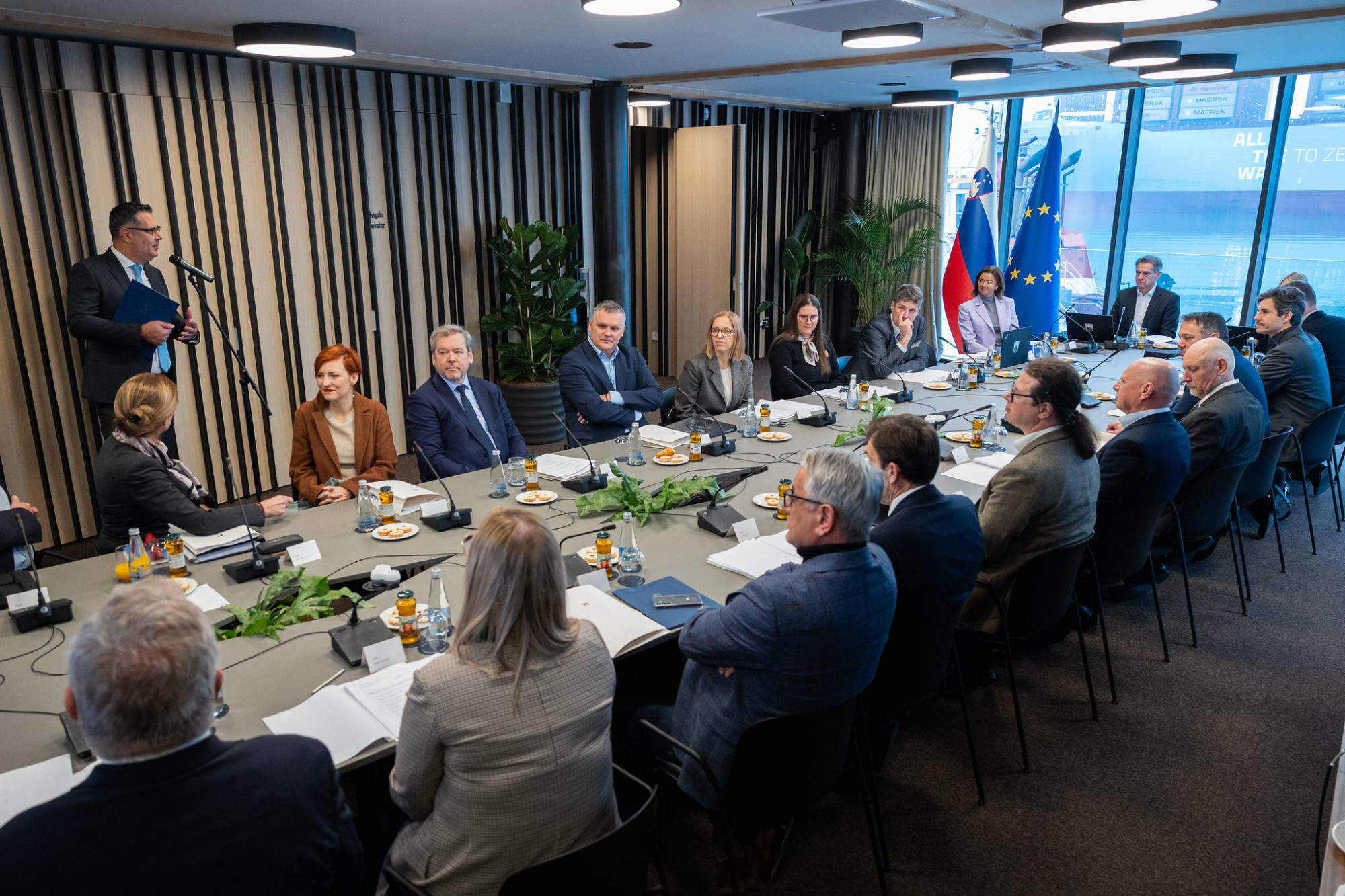
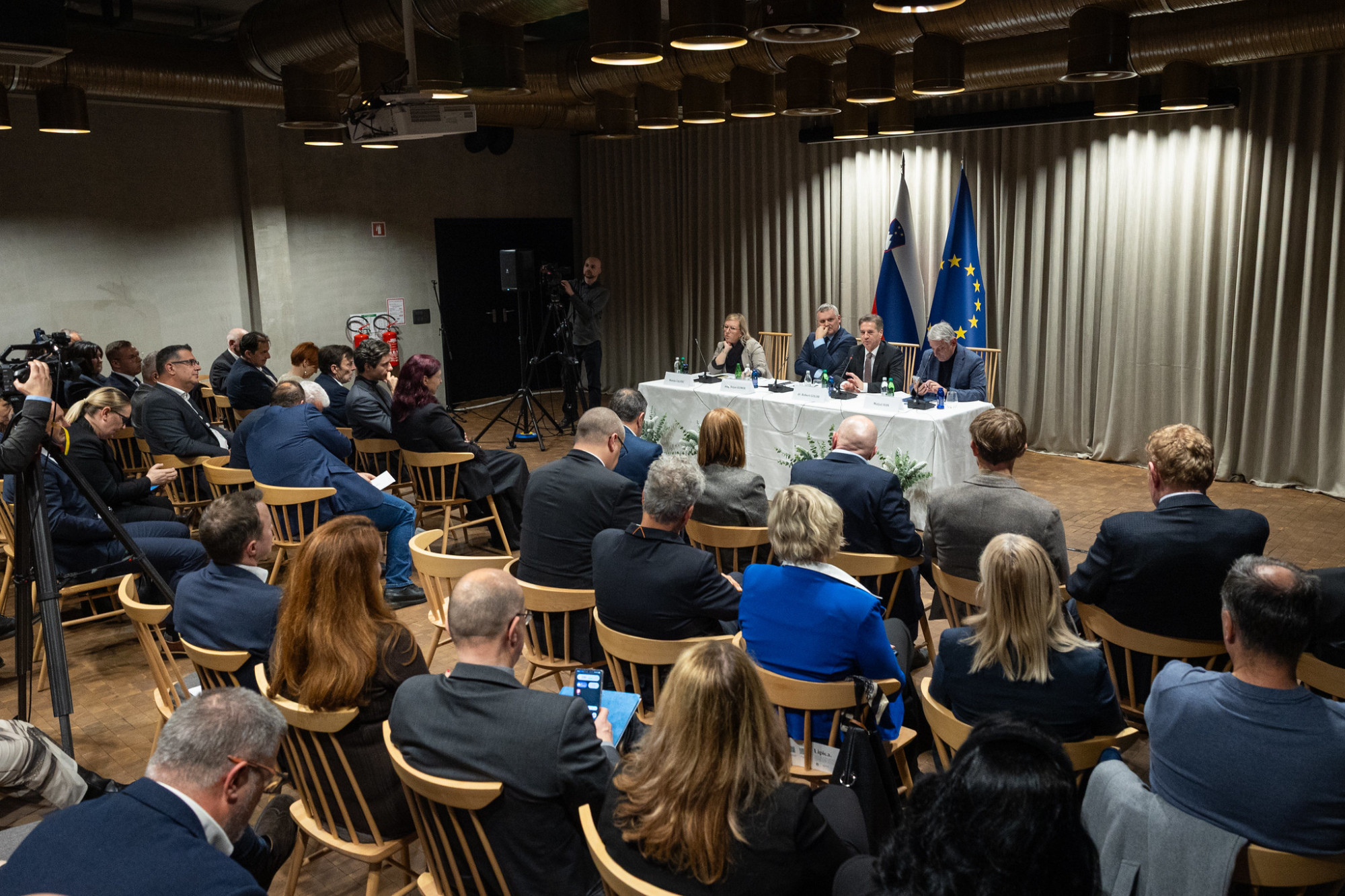
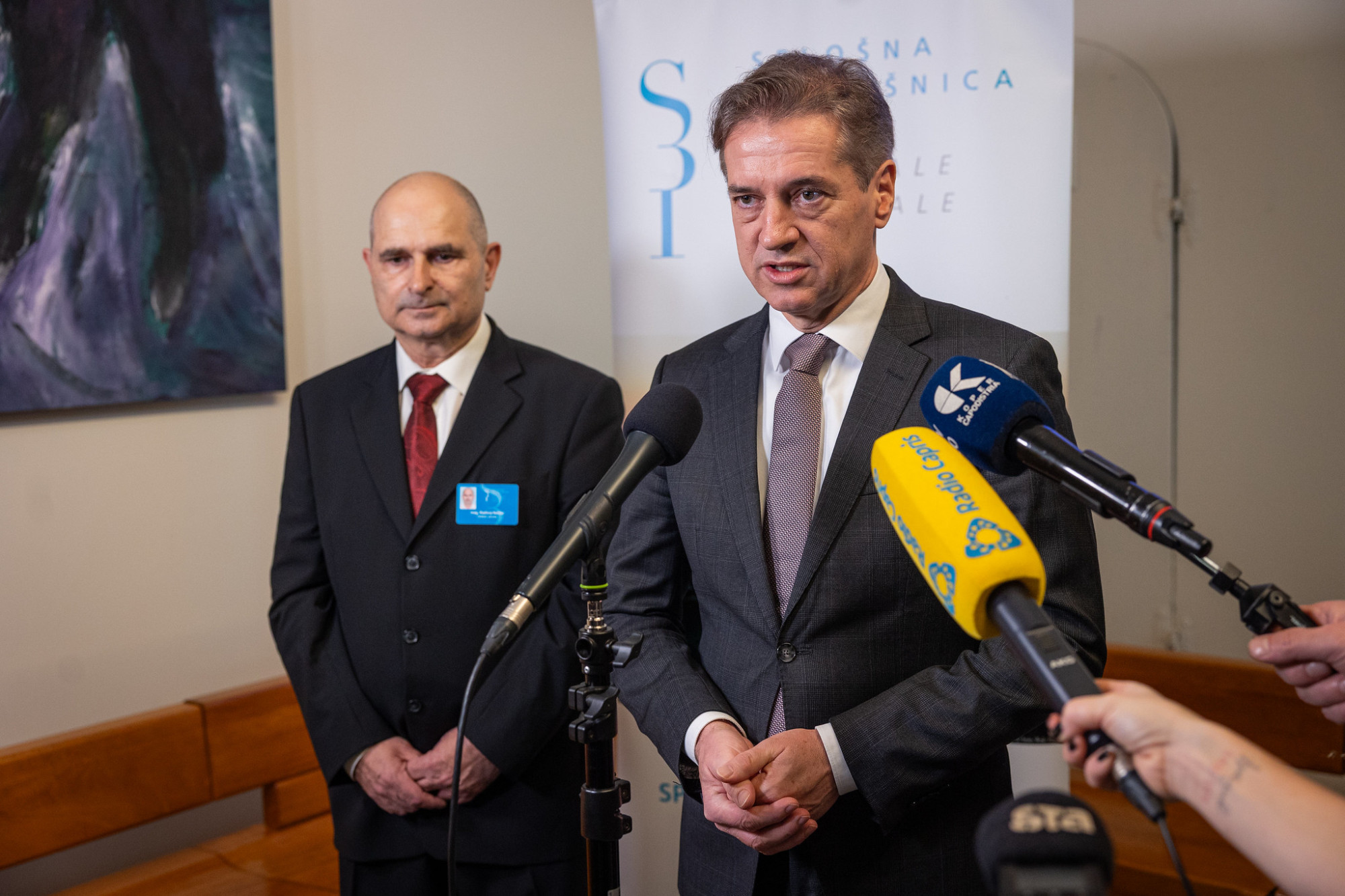
At the regular field session, the Government was briefed on the state of and pressures on the Slovenian sea. The assessment of the marine environment shows that, due to the semi-enclosed bay and shallow waters, the Slovenian sea is an extremely sensitive ecosystem, additionally exposed to pressures from the use of the sea and coastline and to climate change. Climate change is already causing sea warming and acidification, lower levels of dissolved oxygen, sea-level rise, an increased number of flood days and the appearance of non-native species. Despite its small size, the Slovenian sea is an important biodiversity hotspot, with approximately 2,260 species recorded. Possible measures include sustainable spatial planning (including blue corridors), strengthening protected areas and habitats, controlling the introduction of non-native species (ballast waters), reducing underwater noise from maritime traffic, preventing the release of legacy burdens from sediment and reducing nutrient and pollutant inputs by upgrading wastewater collection and treatment.
Among other decisions, the Government proclaimed 19 May as Lipizzaner Day, adopted a decision on concluding agreements on the transfer of founder’s rights and obligations from a private university to the newly established public University of Novo mesto, and concluded a contract on the free transfer of state-owned land to the Municipality of Koper.
More: 187th regular session of the Government of the Republic of Slovenia
Social welfare and care for older persons is one of the key priorities of this term
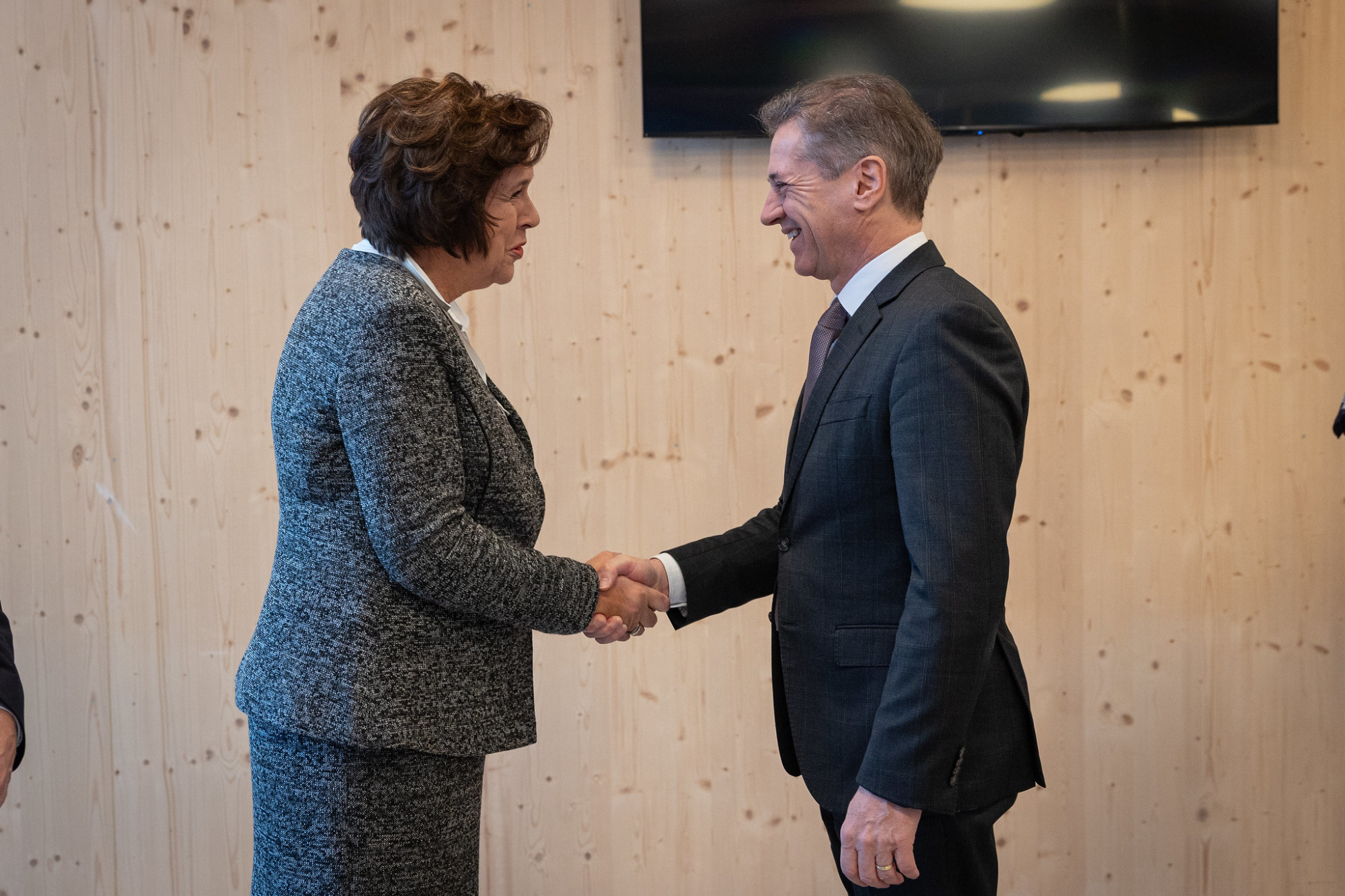
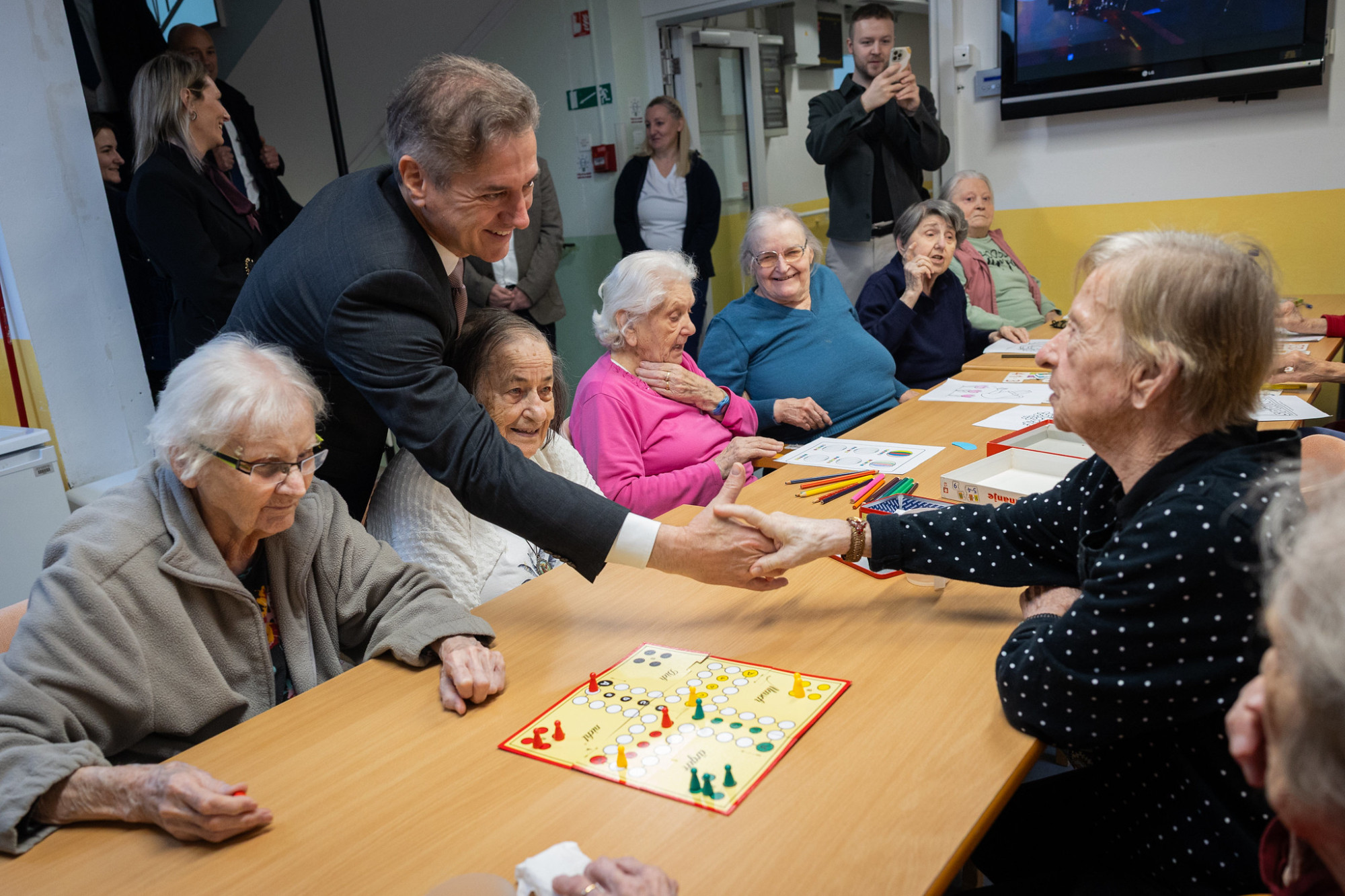
As part of the regional visit, the Prime Minister visited the Izola Retirement Home, where he met residents and staff and toured the facility. On this occasion, he highlighted the importance of the long-term care project, the key objective of which is publicly accessible care for older persons and better conditions for a dignified life.
»Social welfare and care for older persons is one of the key priorities we are addressing throughout this entire term, and we intend to continue in this direction. With long-term care, we are showing that we care and that we want to ensure older persons can enjoy a dignified old age,« said Prime Minister Dr Robert Golob during the visit to the Izola Retirement Home.
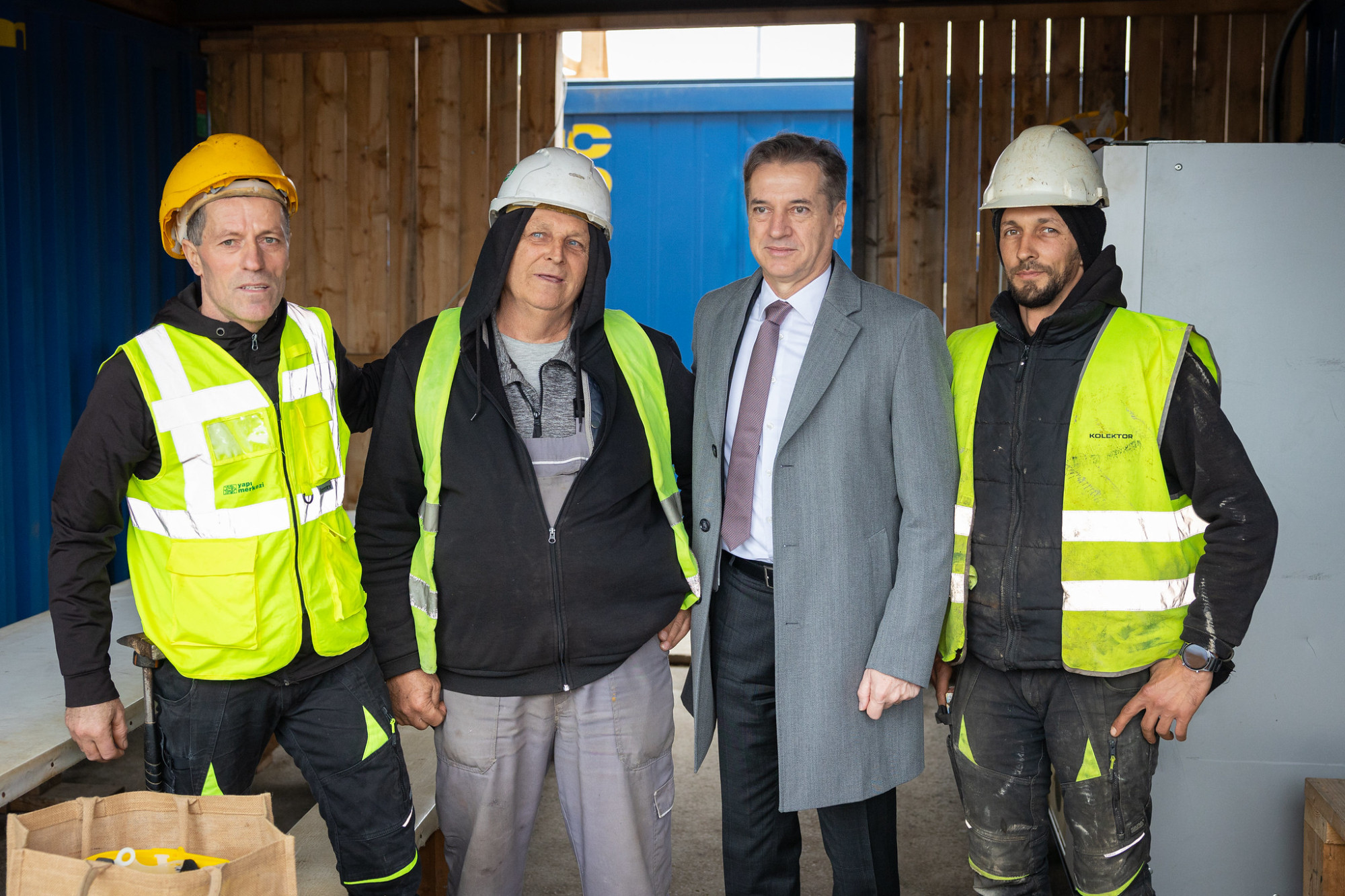
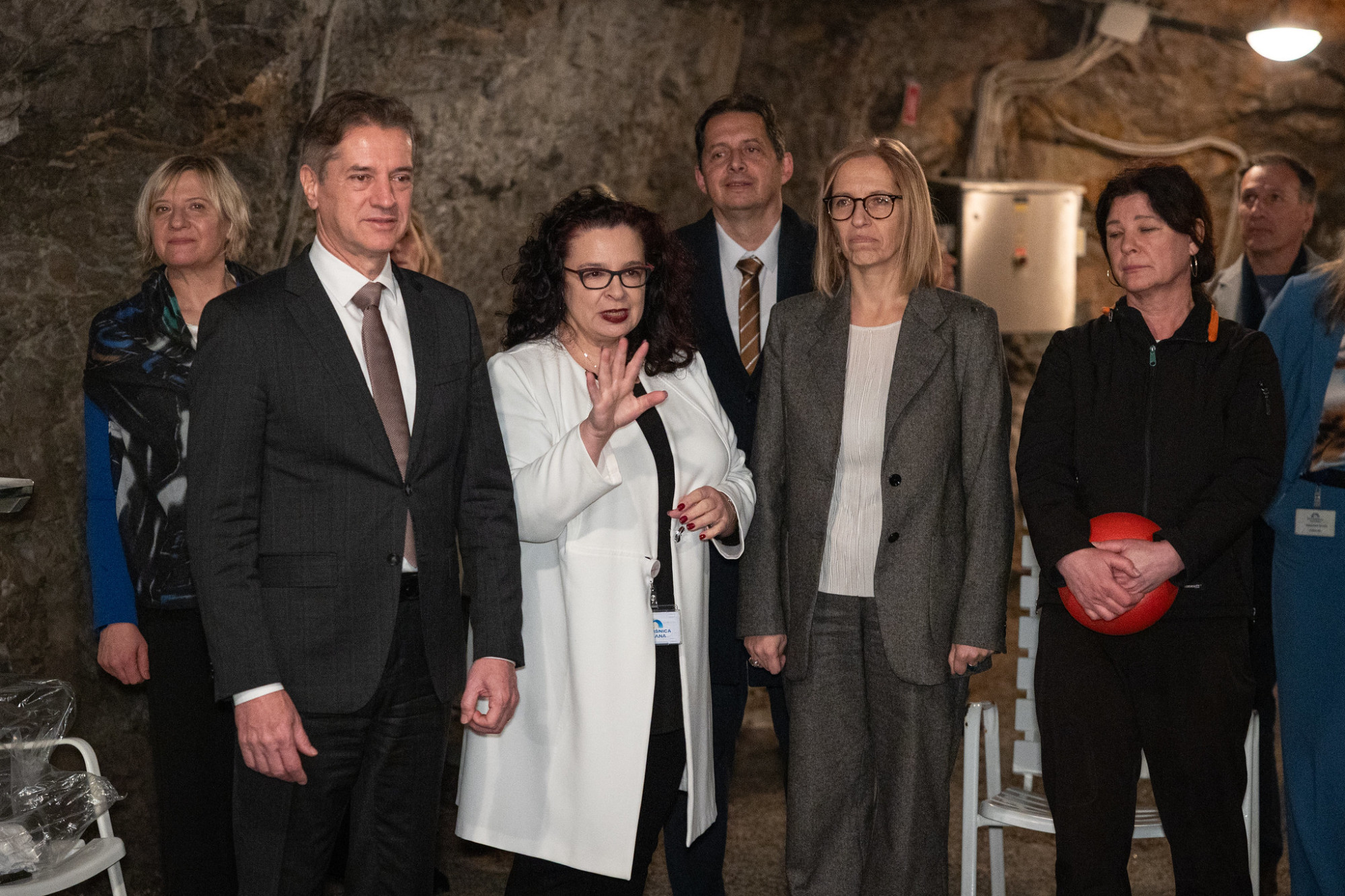
The Prime Minister also visited the Port of Koper and, together with the Minister of Health, the Izola General Hospital.
Investments strengthening development and quality of life in the Coastal-Karst Region
Through measures and investments in the Coastal-Karst Region, the Government of the Republic of Slovenia is strengthening economic resilience, improving infrastructure and enhancing the quality of life for residents. During the term of the current Government, more than EUR 25 million in non-repayable funds have been allocated to the region, primarily to mitigate the effects of the energy crisis and to remedy damage caused by floods.
One of the key development projects is the construction of the second track of the Divača–Koper railway line (EUR 1.1 billion; EUR 362 million from EU funds), which will significantly increase rail capacity, shorten travel times and strengthen the competitiveness of the economy; the line is expected to be operational in March 2026. To relieve the burden on local roads, the Government abolished the e-vignette on the H5 and H6 sections as of 1 January 2026; the measure will remain in force until the completion of the Koper–Dragonja expressway. At the same time, investments in road infrastructure and improvements to access routes to the Port of Koper are continuing.
The Port of Koper is strengthening its role as an important logistics hub through extensive investments in terminals, piers and storage capacities. The region is also implementing sustainable mobility projects, flood protection measures in Izola and Koper, and investments in agriculture, fisheries and rural development. Education and healthcare infrastructure is being strengthened, while an important part of the development momentum is provided by digital literacy programmes, Digi Info Points and investments in broadband connectivity. The Coastal-Karst Region is also successfully drawing on European Cohesion Policy funds and implementing projects under the Agreement for the Development of Regions.