

Slovenia assumes the UN Security Council Presidency for the second time
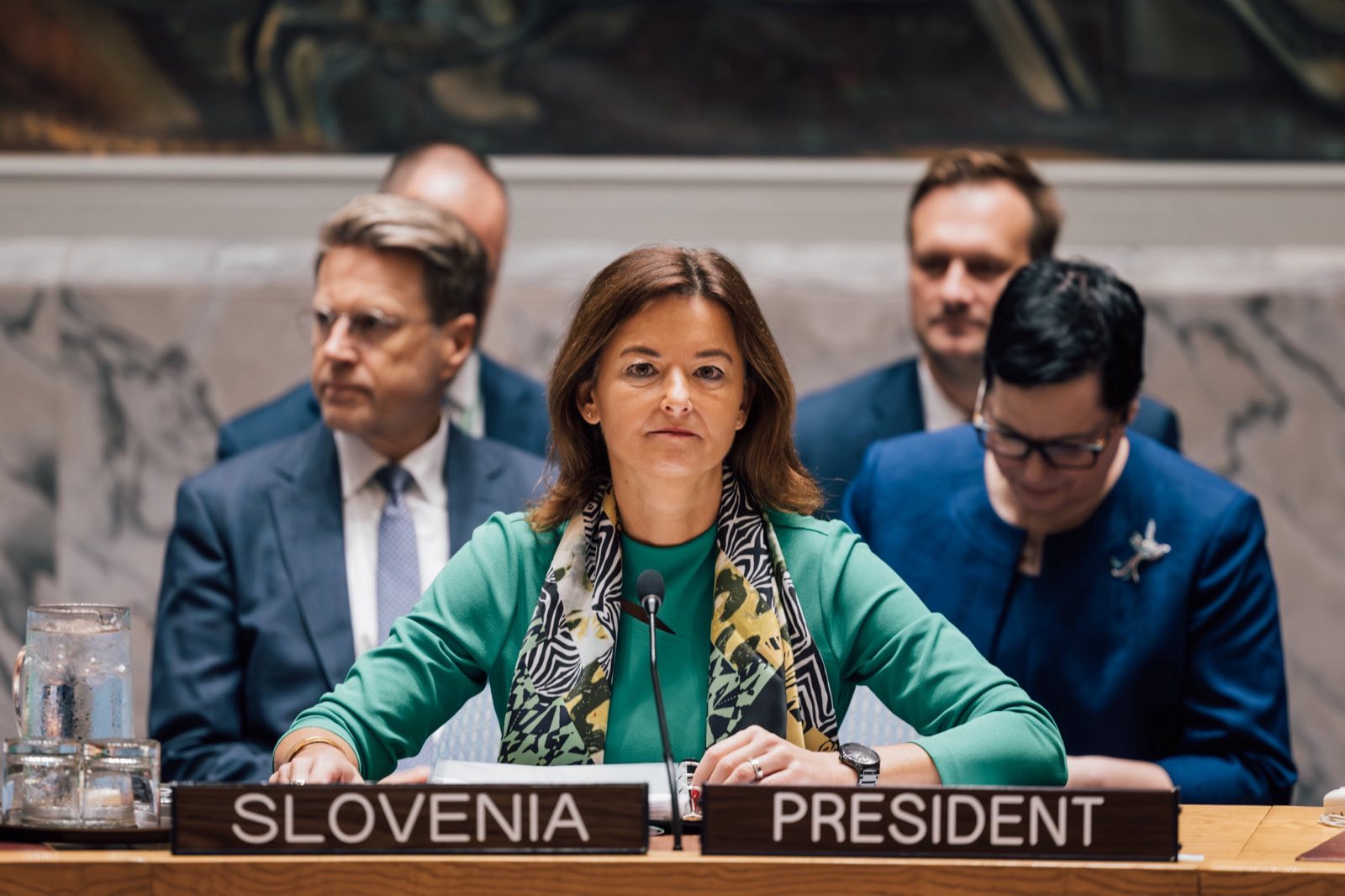
Minister Tanja Fajon at the Security Council | Author MZEZ
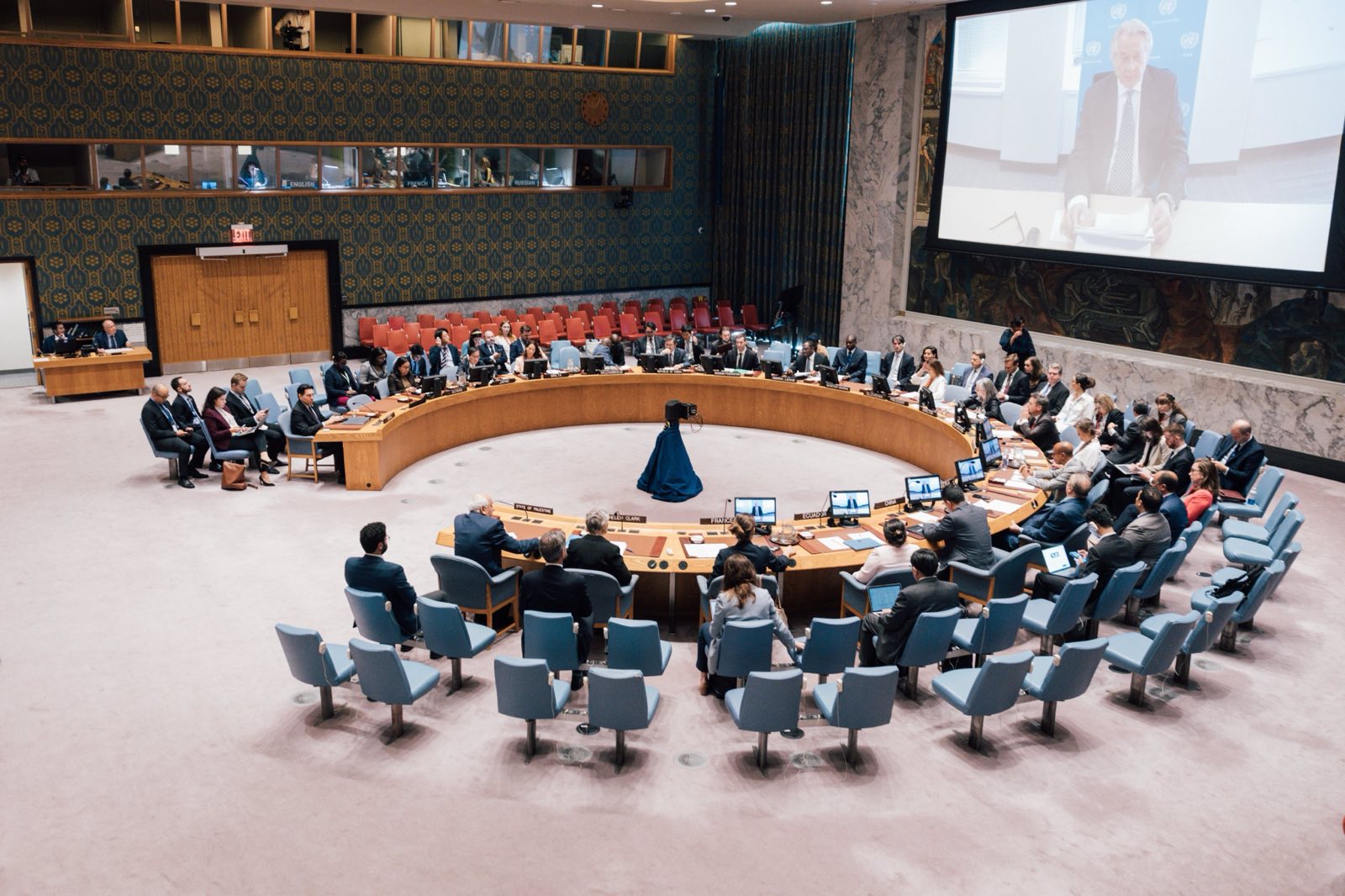
The open debate on Leadership for Peace, in which all UN members will be able to participate, will once again be the signature event of the Slovenian Presidency. The debate on 15 December will focus on the challenges facing the UN in light of the Organisation's financial crisis and the changed global geopolitical situation. Since the President of the General Assembly and the President of the Security Council have already initiated the process for selecting a new Secretary-General in a joint letter, the debate will also address the question of what kind of leader the Organisation needs to meet the upcoming challenges.
In December, the Deputy Prime Minister and Minister of Foreign and European Affairs, Tanja Fajon, will chair two sessions: the meeting on 8 December will focus on partnership between the UN and the OSCE, and the meeting on 10 December, the International Human Rights Day, will be dedicated to the situation in Afghanistan, with a focus on the situation of women. UN Secretary-General António Guterres will also address the Security Council at this session.
In the first week of December, Slovenia will lead the Security Council on a visit to Syria and Lebanon, where Council members will meet with leaders and other key figures. This will be the first visit by the Council to the region in six years and its first ever visit to Syria – and it comes on the first anniversary of the fall of Assad's regime on 8 December 2024. In southern Lebanon, the Security Council will also visit the UN Interim Force in Lebanon (UNIFIL).
The Palestinian issue will be on the Council's agenda at its regular monthly briefing on illegal settlements in the West Bank. A month after the adoption of the resolution endorsing the US-supported peace plan, the debate on the West Bank will certainly extend to the situation in Gaza. In addition to the above meetings, the Council will also hold regular briefings to discuss certain crises in Africa, particularly those in the Democratic Republic of the Congo, the Sahel and Sudan.
Slovenia will ensure that the Council operates responsibly and fulfils its tasks smoothly. The country is committed to respecting international law and the UN Charter, effective multilateralism, dialogue and cooperation.
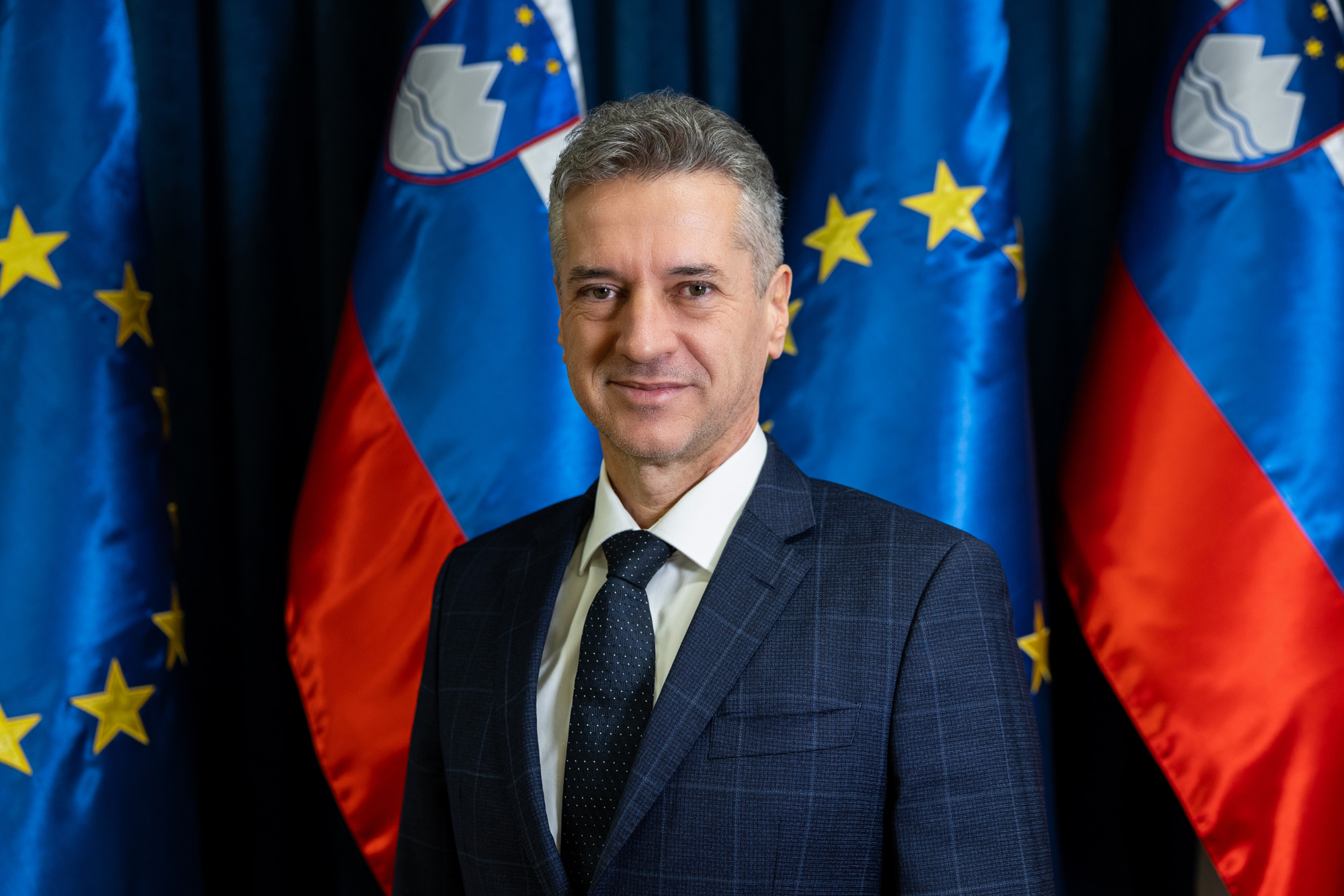
"From the very beginning of its membership of the Security Council, Slovenia has demonstrated moral consistency, active engagement and a desire for compromise and dialogue. Slovenian diplomacy has performed exceptionally well during this period, acting prudently and with dedication, which is also reflected in the trust Slovenia enjoys among its allies around the world. Its second Security Council Presidency, which also marks the final month of its membership, will provide an opportunity to keep up the good work and proudly conclude one of the most successful periods in Slovenian foreign policy," stressed Prime Minister Dr Robert Golob at the start of the second Presidency.
On this occasion, the Deputy Prime Minister and Minister of Foreign and European Affairs, Tanja Fajon, pointed out: "As a non-permanent member of the Security Council, Slovenia has demonstrated courage and responsibility. It has already made its mark with its principled and unifying stance within the Council, and I believe that this will be consolidated further with the second Presidency. Slovenia speaks on behalf of those who have no voice and represents both itself and the wider membership of the Organisation. It fights tirelessly to protect civilians and humanitarian workers and is a staunch supporter of humanity. All of this provides an excellent foundation for the future, as well as being a valuable asset of Slovenian foreign policy."
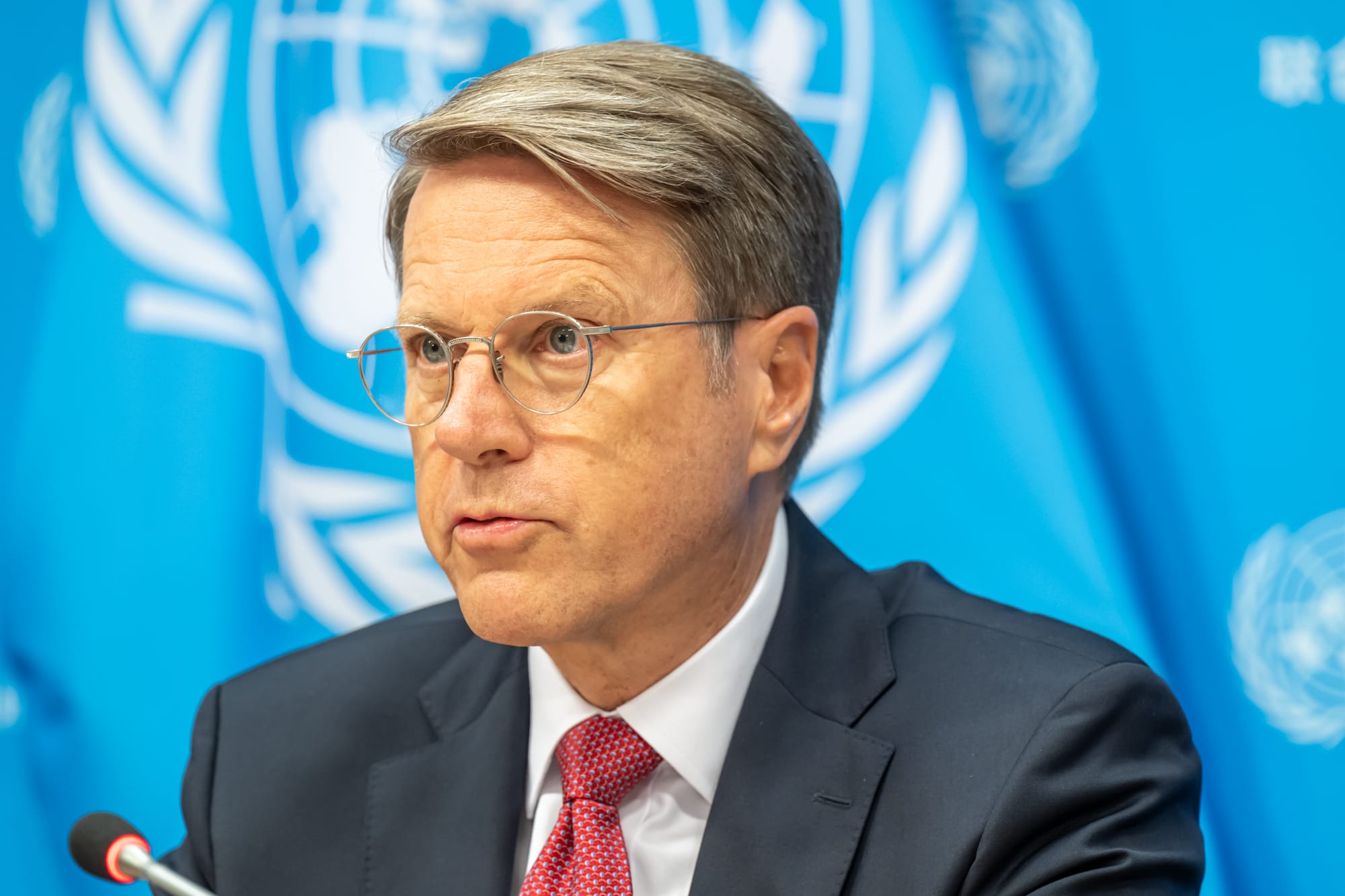
For December, the function of President of the Security Council will be assumed by Ambassador Samuel Žbogar, Permanent Representative of Slovenia to the UN in New York: "After last September, Slovenia will once again lead and coordinate the Security Council's work. The signature event will be the continuation of the open debate Leadership for Peace. Last year, member states exchanged views on the future of the UN, including the relevance of the Security Council. This year, on the 80th anniversary of the Organisation, the focus is on the role of the future Secretary-General. We will explore ways of guiding the Organisation through the abandonment of a rules-based world order and international law, the erosion of respect for the UN Charter and the UN's financial crisis. We will focus on how to restore the confidence in the UN and the international order."
UN member states will elect the new Secretary-General for a five-year term next year. The official selection process began with a joint letter from the President of the General Assembly and the President of the Security Council, inviting nominations. The Secretary-General is appointed by the General Assembly upon the recommendation of the Security Council.
First day of the Presidency
The one-month Presidency of the Security Council begins on the first working day of the month with a working breakfast for permanent representatives, which is hosted by Ambassador Samuel Žbogar at the UN headquarters in New York. He presents the programme of work, priorities and signature events of the Presidency. This is followed by a regular meeting of political coordinators, who formally approve the programme of work. The role of Slovenia's political coordinator to the UN in New York is entrusted to Minister Counsellor Klemen Ponikvar. The first day of the Presidency also includes a press conference for the international public and UN correspondents.
Security Council Programme of Work for December and the Format of Sessions
The agenda consists of regular sessions, determined by UN Security Council resolutions, and emergency sessions, which may be proposed at any time by any UN member state in the event of a threat to international peace and security. The UNSC member state holding the Presidency is responsible for convening and organising the sessions, and for selecting briefers for each individual meeting. Slovenia strives to hear and present as many voices as possible from both individuals and NGOs on the ground.
At regular sessions, Security Council members will discuss the latest developments in Syria, Afghanistan, West Africa and the Sahel, the Democratic Republic of the Congo, the West Bank, Iraq, Yemen and Libya. The Council also plans to adopt resolutions extending sanctions against Libya and Al-Shabaab in Somalia, extending UN missions in the DRC and the Syrian Golan Heights, and extending the African Union mission in Somalia.
The Security Council mostly meets in open sessions in the form of open briefings, or in closed sessions, in the form of consultations. In practice, each member holding the Presidency allows the broader UN membership to participate in at least one open debate.
Slovenia donates new equipment to the UNSC President's Room
After assuming the Presidency on 1 December, Slovenia will also donate new equipment for the room of the UN Security Council President at UN Headquarters. Slovenian furniture, including Rex chairs by Niko Kralj and lamps by the Vehovar couple, will replace the worn and damaged equipment. The gift symbolically represents Slovenia's indelible contribution to the principled work of the Security Council and its strong support for the Organisation as a whole.