

State Secretary Tamara Weingerl Požar at the General Affairs Council to discuss the Commission’s programme for 2027
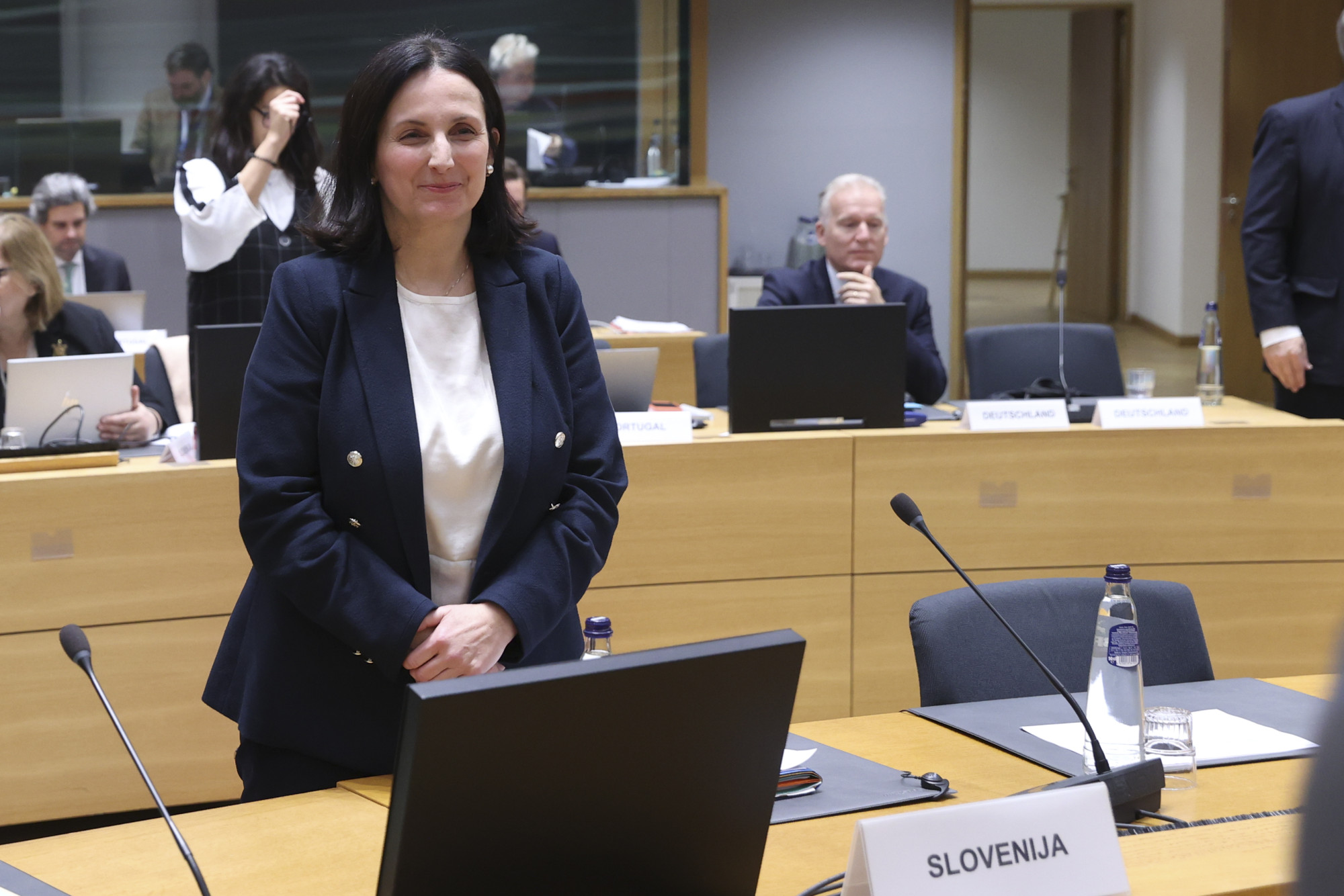
State Secretary Tamara Weingerl Požar at the General Affairs Council. | Author Ministrstvo za zunanje in evropske zadeve
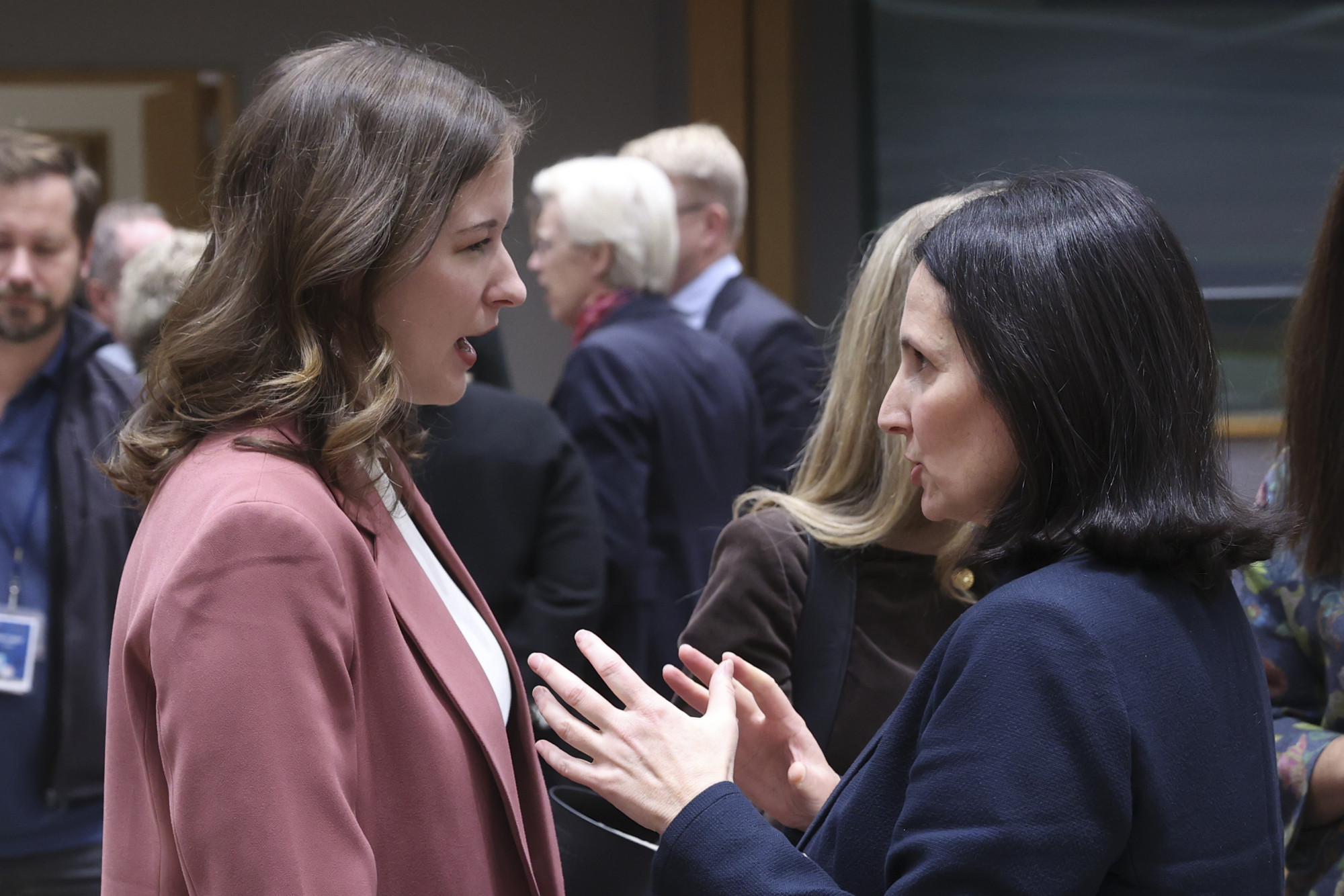
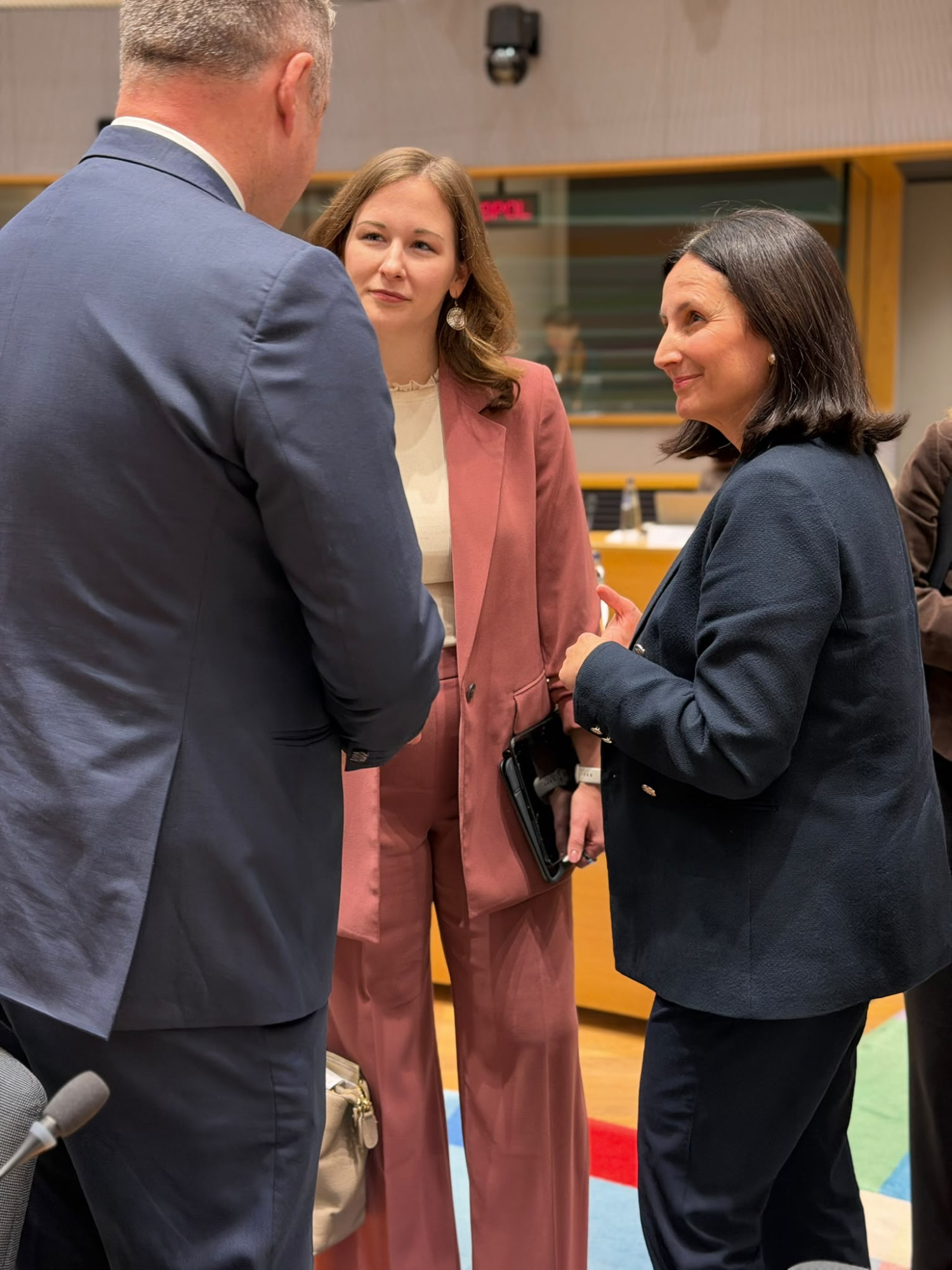
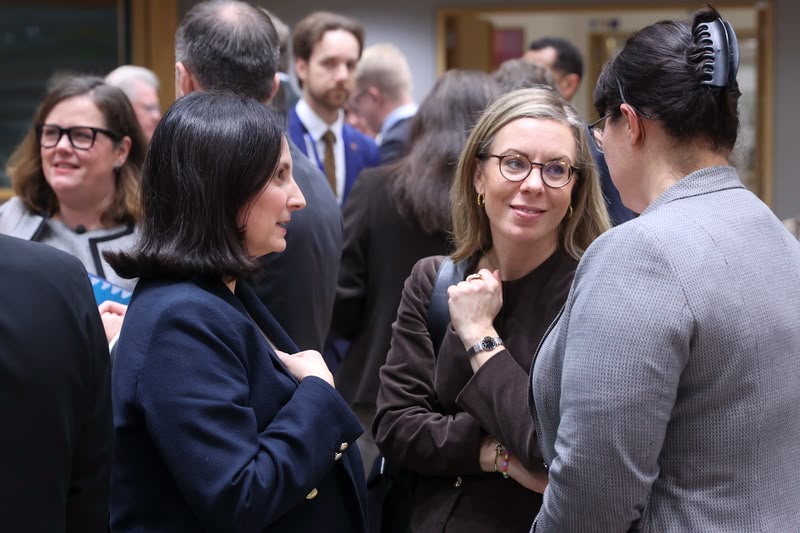
During the discussion about the 2027 Commission work programme, State Secretary Tamara Weingerl Požar welcomed the focus on the crucial challenges facing the EU with regard to competitiveness, resilience and security. She was especially positive about the focus on simplifying legislation, particularly regarding small businesses and administrations.
“In light of the efforts to strengthen competitiveness, further steps in the implementation of the ʻOne Europe, One Marketʼ plan are vital. Slovenia will continue to advocate for an ambitious and speedy approach to removing obstacles in the single market,” said the State Secretary.
She also welcomed the Commission’s plan to focus on food security, rural development, water management and demography next year. In light of the growing frequency of extreme weather phenomena, she highlighted the importance of measures that will enhance the resilience of European societies, economies and agriculture. The State Secretary also called for the adoption of coordinated measures to ensure secure and affordable energy, highlighting the importance of the Union’s long-term strategic autonomy in the energy sector.
In this context, Slovenia joined the French-Czech initiative on supporting nuclear energy in the 2028–2034 Multiannual Financial Framework. Nuclear projects should have access to the financial instruments of the next EU budget, on the same level as renewable energy and in accordance with the principle of technological neutrality.
The State Secretary also recalled the implementation of the Defence Readiness Roadmap 2030 and its alignment with NATO’s capability targets as a key priority.
“On migration, Slovenia continues to prioritise the effective protection of the EU’s external borders, as well as a joint European approach to managing migration flows. This is the only way to ensure the safety of citizens and the long-term sustainability of the Schengen area, one of the greatest achievements of European integration,” she emphasised.
She went on to highlight the importance of strengthening the EU’s global role. She emphasised the need for continued provision of united and comprehensive support to Ukraine, the significance of EU enlargement as a geostrategic investment in Europe’s peace, stability and prosperity. She also stressed the importance of close cooperation with global partners.
As part of the annual rule of law dialogue, the General Affairs Council discussed the situation in Cyprus, Lithuania, Hungary and Luxembourg, based on the key findings and recommendations set out in the country-specific chapters of the European Commission’s 2026 Rule of Law Report.
Ministers and state secretaries were also briefed on the current state of play regarding the adoption of legislative packages aimed at simplification (‘omnibus’ packages).
During a working lunch, ministers and state secretaries exchanged views on implementing the EU Preparedness Union Strategy, with State Secretary Weingerl Požar pointing to the need for further strengthening Member States’ capacities in the areas of preparedness, prevention, and response to crises, natural and other disasters.
On the sidelines of the meeting, the State Secretary attended an informal ‘Friends of Cohesion’ coalition meeting and an informal breakfast on EU enlargement, organised by the Irish Presidency.
She also attended the Intergovernmental Conference with Montenegro on closing Chapters 16 (taxation) and 22 (regional policy and coordination of structural instruments). On behalf of Austria, the Czech Republic, Hungary and Slovakia, she welcomed Montenegro’s progress as a leading candidate for membership and encouraged it to continue the reform process. Slovenia supports the country’s ambition to provisionally close the remaining negotiation chapters by the end of the year.