

Primož Trubar, the central figure of the Reformation in Slovenia
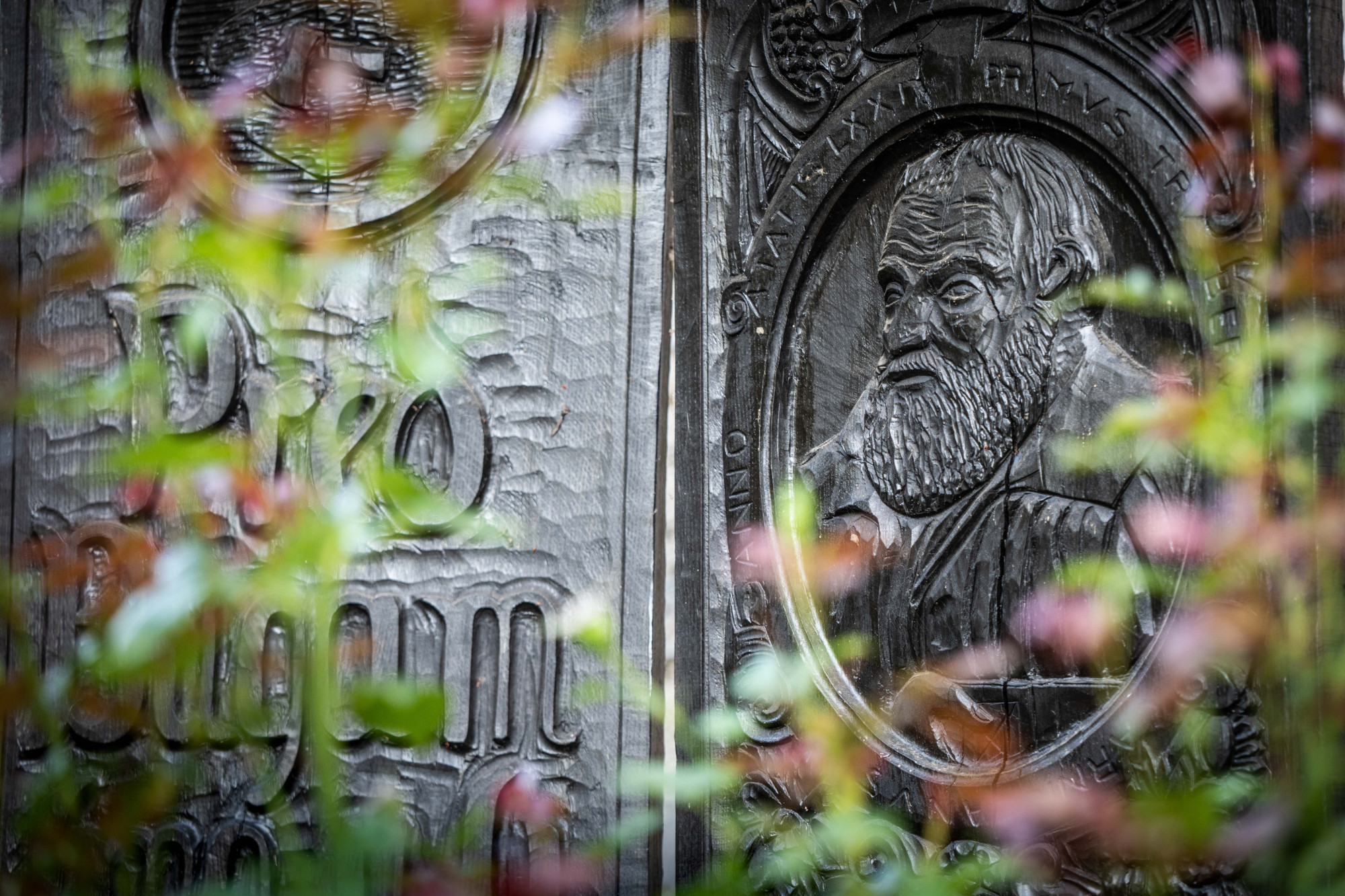
Author Boštjan Podlogar, STA
The movement called for reform of the Catholic Church, led to a schism within it and the establishment of new Protestant denominations. It also encouraged the translation of the Bible into vernacular languages, including Slovenian, making the scriptures accessible and understandable to ordinary people.
The central figure of the Reformation in the Slovenian lands was Primož Trubar (1508–1586), who published the first two books in Slovenian, Catechism (Katekizem) and Abecedarium (Abecednik), in 1550. Other reformers also contributed to laying the foundations of the Slovenian literary language, including Jurij Dalmatin, who translated the Bible into Slovenian, and Adam Bohorič, who wrote the first Slovenian grammar, Arcticae horulae succisivae (Zimske urice proste).
This year's annual national celebration of Reformation Day will take place on the eve of the holiday in Murska Sobota, where the Protestant, or Evangelical Lutheran, tradition has been preserved. The ceremony at the city's Gledališče Park theatre, where the keynote address will be delivered by Minister of Culture Ignacija Fridl Jarc, will be dedicated to the Slovenian language, books and Trubar's legacy.
The artistic programme, written and directed by Mateja Kokol, will combine theatre, music, dance and video to connect the beginnings of the Slovenian printed word with its significance in the modern world. The programme will focus on paying tribute to Trubar for his contribution to the development of the Slovenian literary language and reflecting on the role of language as a bearer of culture, knowledge, historical memory and mutual understanding.