

Prime Minister Janez Janša: Slovenia needs a Development Act
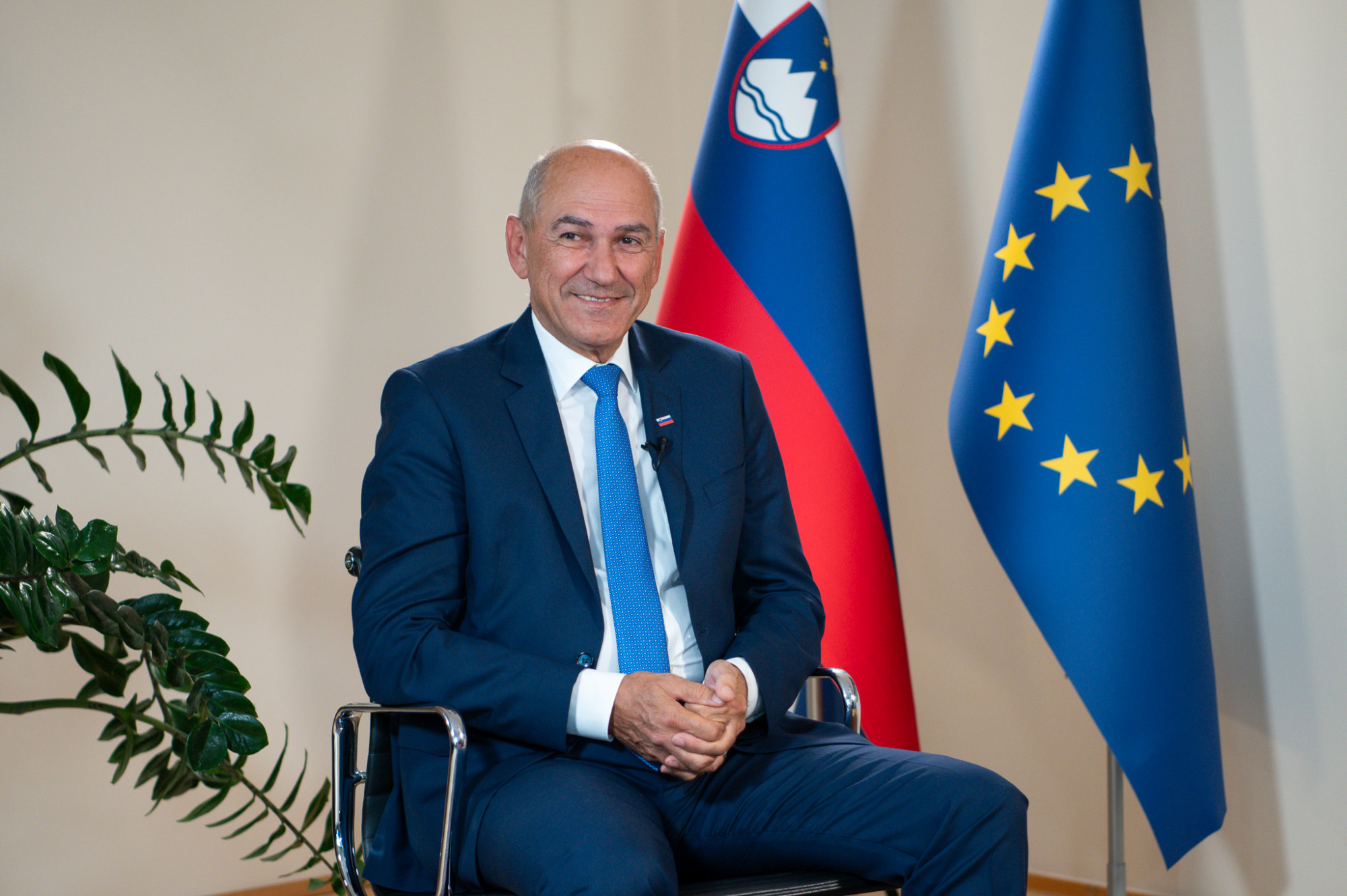
Prime Minister Janez Janša during an interview with Planet TV. | Author Office of the Prime Minister
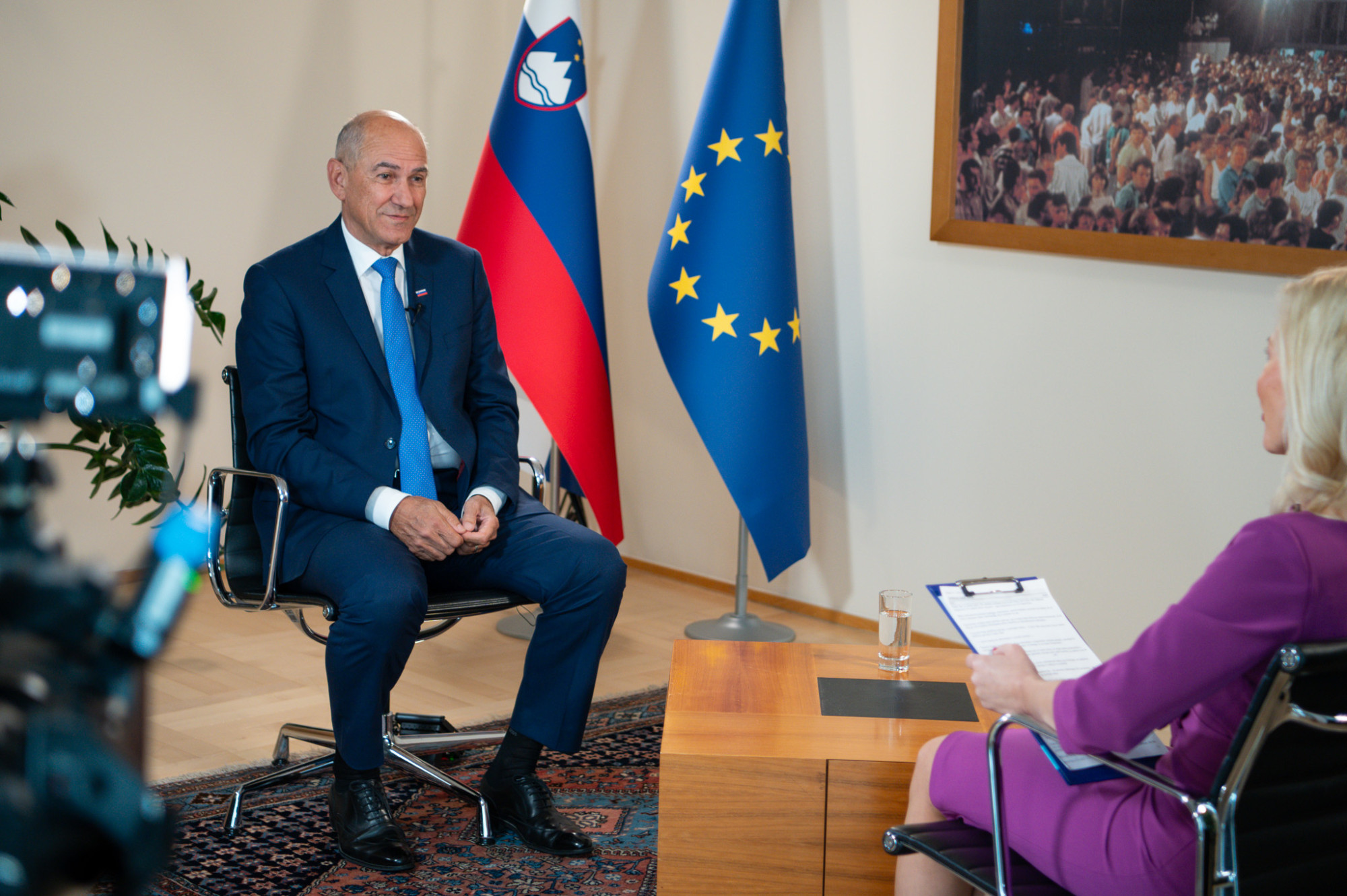
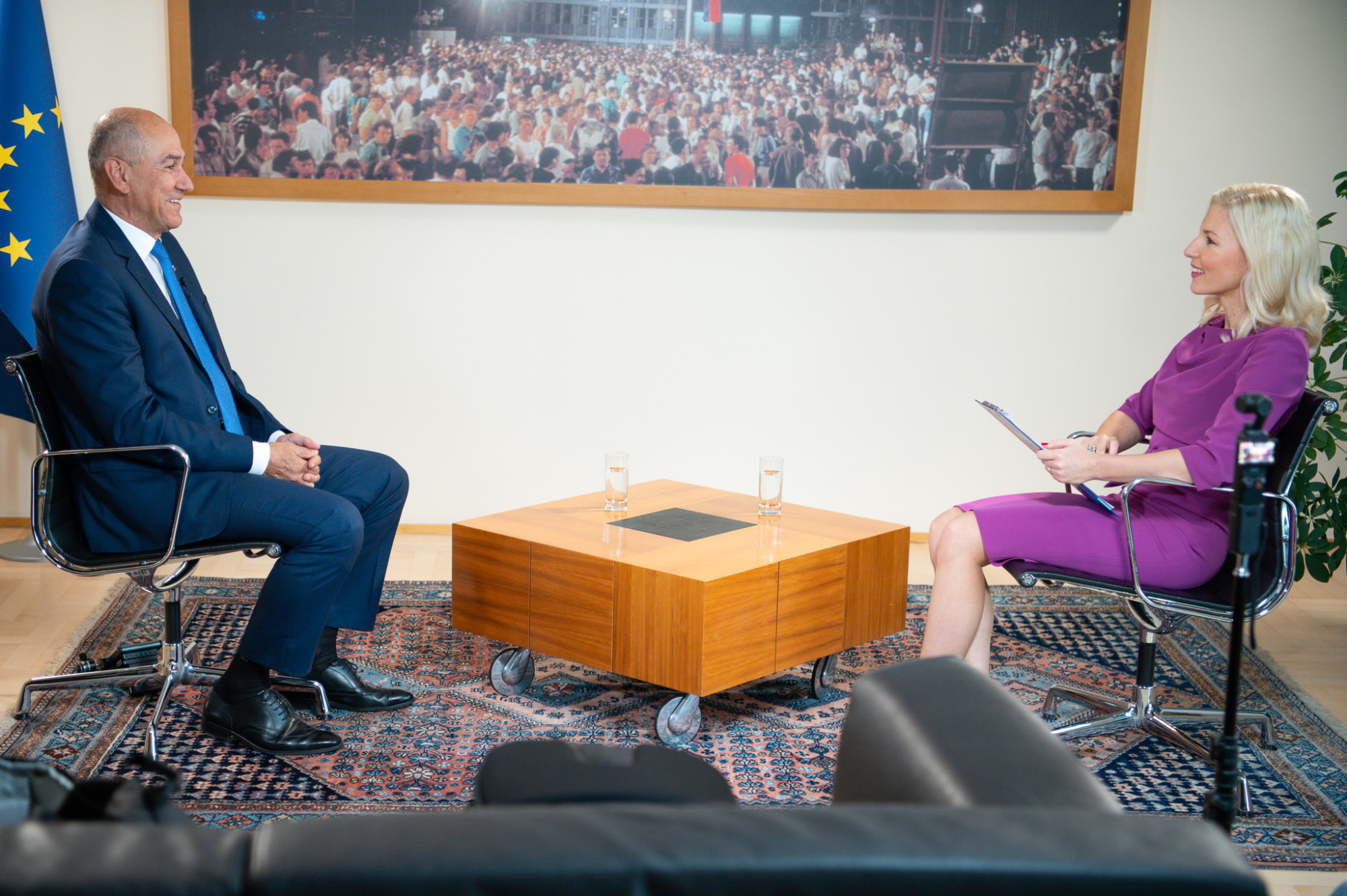
Regarding the upcoming referendums, the Prime Minister emphasised that the final outcome rests entirely with the electorate, and that the Government must await their decision. He also cautioned against relying on opinion polls, stressing that what ultimately matters is voter turnout and choices people make at the polling stations.
Drawing attention to demographic shifts and labour shortages, the Prime Minister called for a more efficient reallocation of staff based on genuine needs, particularly in the healthcare, social care, and policing sectors, where more staffing is required.
He emphasised that the objective was not to lay off employees, but rather to restructure the public sector and reallocate staff to the sectors experiencing the most acute shortages. Alongside this restructuring, the Government aims to cut red tape and enhance overall state efficiency.
Identifying healthcare as a key area in need of attention, the Prime Minister stated that the challenges facing the Slovenian healthcare system stem from organisational and management issues rather than the quality of care provided by healthcare professionals. He stressed that the Government is actively working to ensure the availability of essential medicines and highlighted the establishment of a dedicated fund for treating children with rare diseases.
For Slovenia's development
During the interview, the Prime Minister also highlighted the development and tax measures introduced by the Development Act. These measures aim to improve the economic and tax environment, and increase Slovenia's competitiveness. The aim is to create better conditions for economic development and greater prosperity for the population.
He stressed that the law would deliver tangible benefits, including higher pensions, shorter waiting times, reduced burdens on entrepreneurs, greater incentives for innovation and lower taxes on food and energy products. In his view, therefore, the referendum is important not only because of the individual measures involved, but also because it concerns the direction in which Slovenia wishes to develop — forwards or backwards.
The Prime Minister also spoke about measures aimed at preventing and investigating corruption. He believed that the current organisation and allocation of responsibilities are not effective enough, making reforms necessary. As one of the first steps of the new approach, he highlighted the SKOK initiative (the establishment of a Specialised Anti-Corruption Prosecutor's Office) and announced further measures.
In the part of the interview devoted to foreign policy, the Prime Minister stressed that Slovenia stands ready to contribute to efforts aimed at achieving a ceasefire and bringing an end to the war in Ukraine, should the opportunity arise.