

Celebrating World Animal Day: animal welfare is our shared responsibility
Animal welfare is a multifaceted concept of the quality of an animal’s life and encompasses the ways of how well an animal can cope with its momentary situation and surroundings. Animals are affected by the way humans treat and care for them, and people are obliged to ensure that all animals are treated humanely, responsibly and with respect. Animal welfare should be at the forefront of every human action that involves animals, including compliance with all relevant animal welfare requirements.
"Ensuring animal welfare is our everyday responsibility and should be based on professional expertise, common sense and respectful attitude towards animals. On World Animal Day, I would like to thank everyone who puts their work and dedication into protecting health and welfare of animals", said the Minister of Agriculture Mr. Janez Cigler Kralj.
Animal protection is a shared responsibility and concerns everyone who has contact with or responsibility for animals, in particular animal keepers, local communities, the state, as well as veterinary, farming, science & research and other organisations. Effective official inspection and controls are therefore essential in this area and are carried out by official veterinarians.
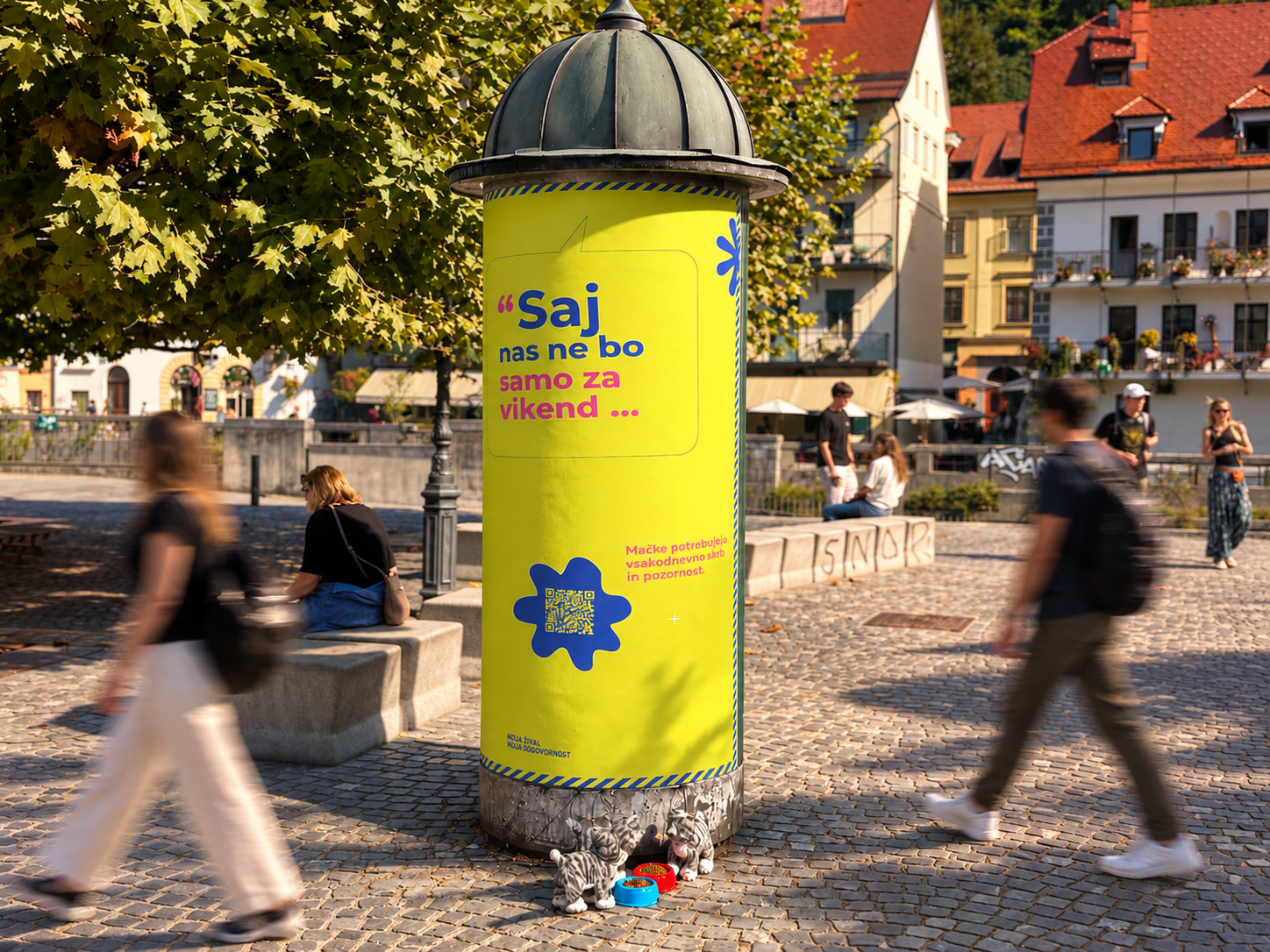
Anyone considering acquiring an animal should bear in mind that keeping a pet is a privilege that brings not only joy but also numerous obligations and responsibilities. The decision to acquire an animal should be carefully considered in advance. Otherwise, an animal acquired on impulse may end up neglected or even abandoned.
Livestock keepers, too, must comply with animal welfare standards to prevent unnecessary suffering, injuries and disease. They must provide appropriate housing, nutrition and care and regularly monitor the animal’s health and check the technical equipment used in the intensive or extensive animal husbandry systems. Appropriate animal husbandry conditions, good health and the prevention of stress can contribute to better resilience of the animals, a lower incidence of diseases and injuries, fewer losses and more stable production results. A high level of animal welfare is therefore not only an ethical obligation but also an important element of responsible, effective and long-term sustainable livestock farming.
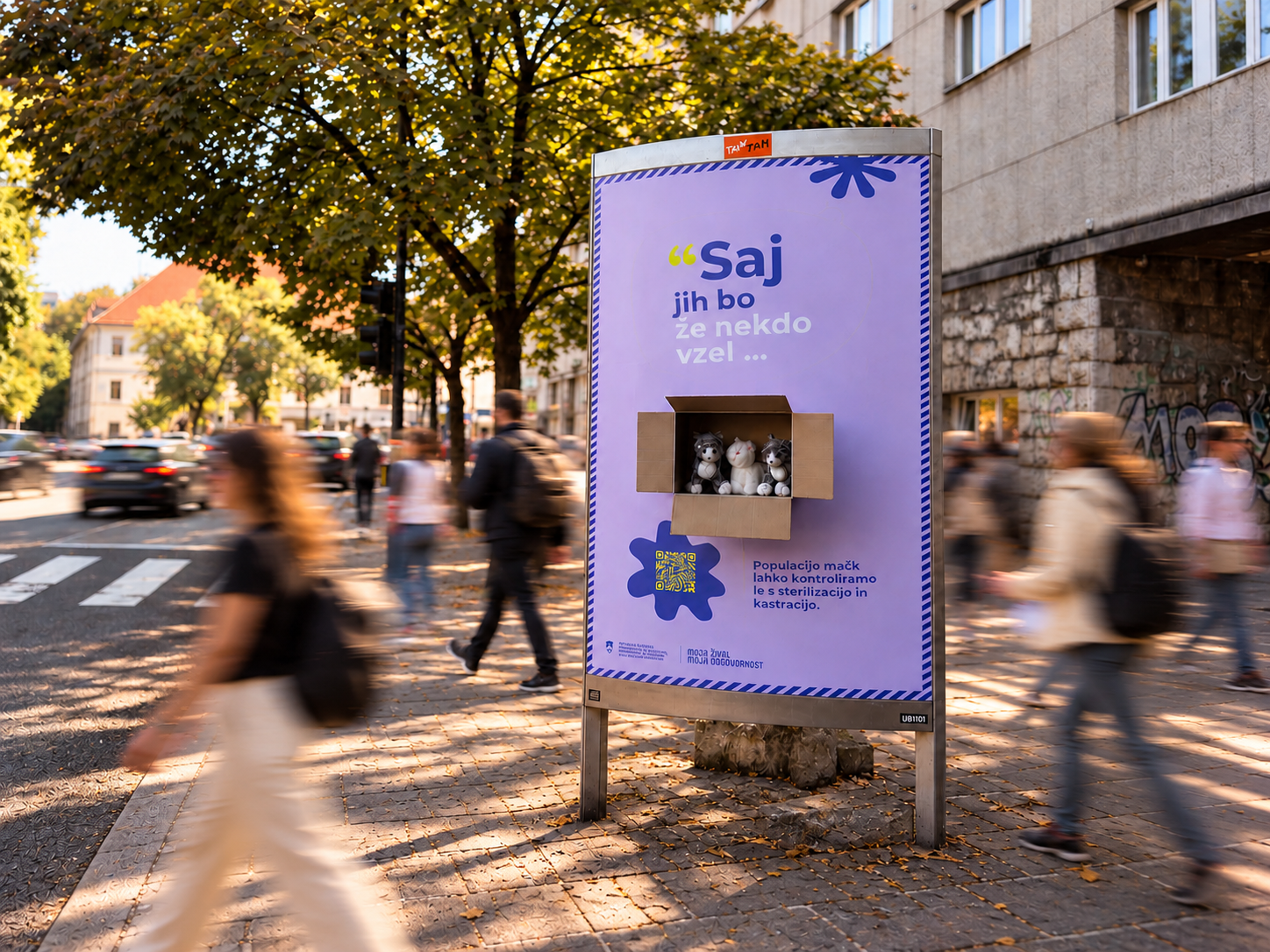
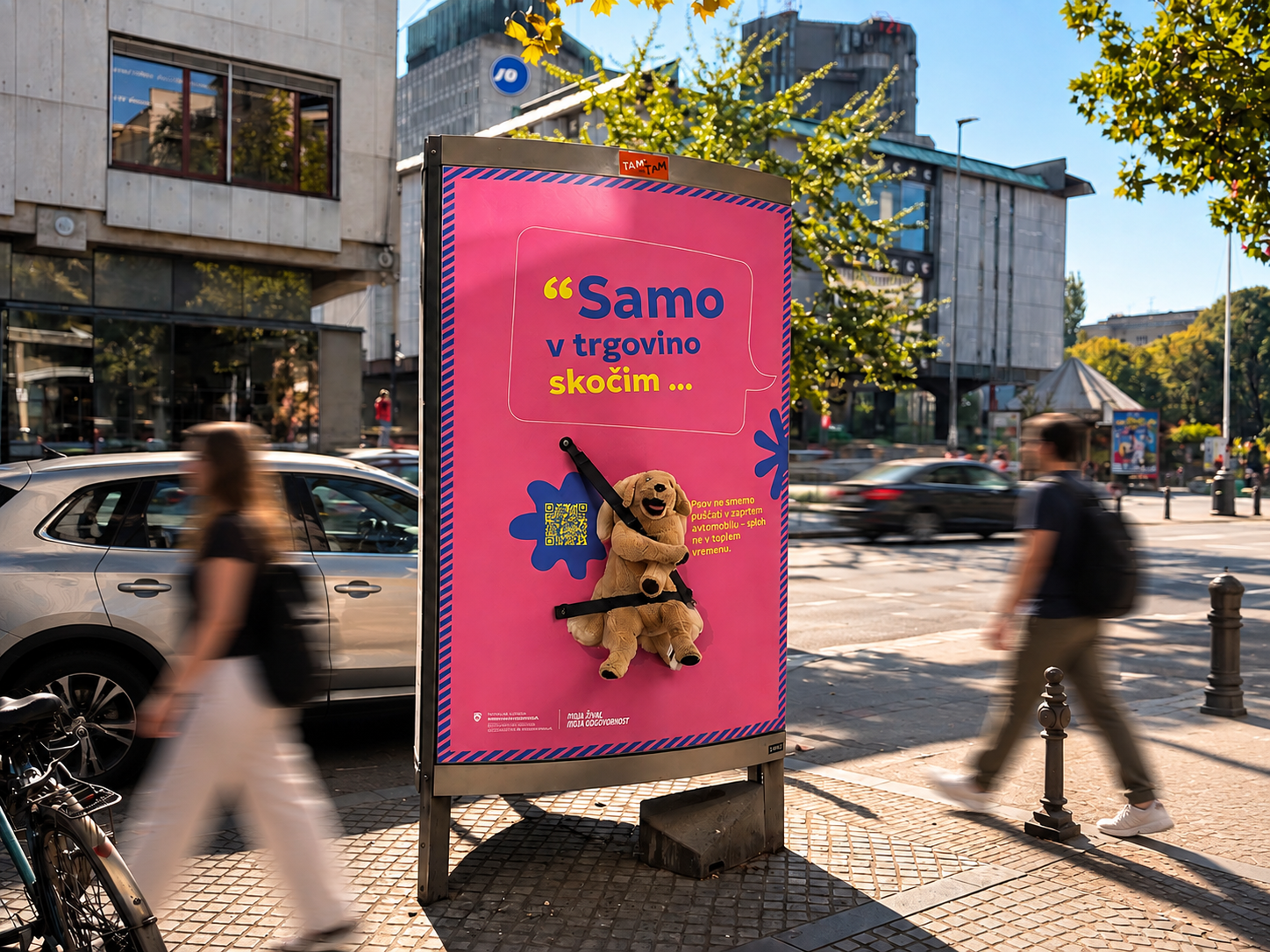
Through “My Animal, My Responsibility” campaign, the Administration for Food Safety, Veterinary Sector and Plant Protection has for a number of years been raising awareness of responsible ownership of companion animals and responsible treatment of livestock.
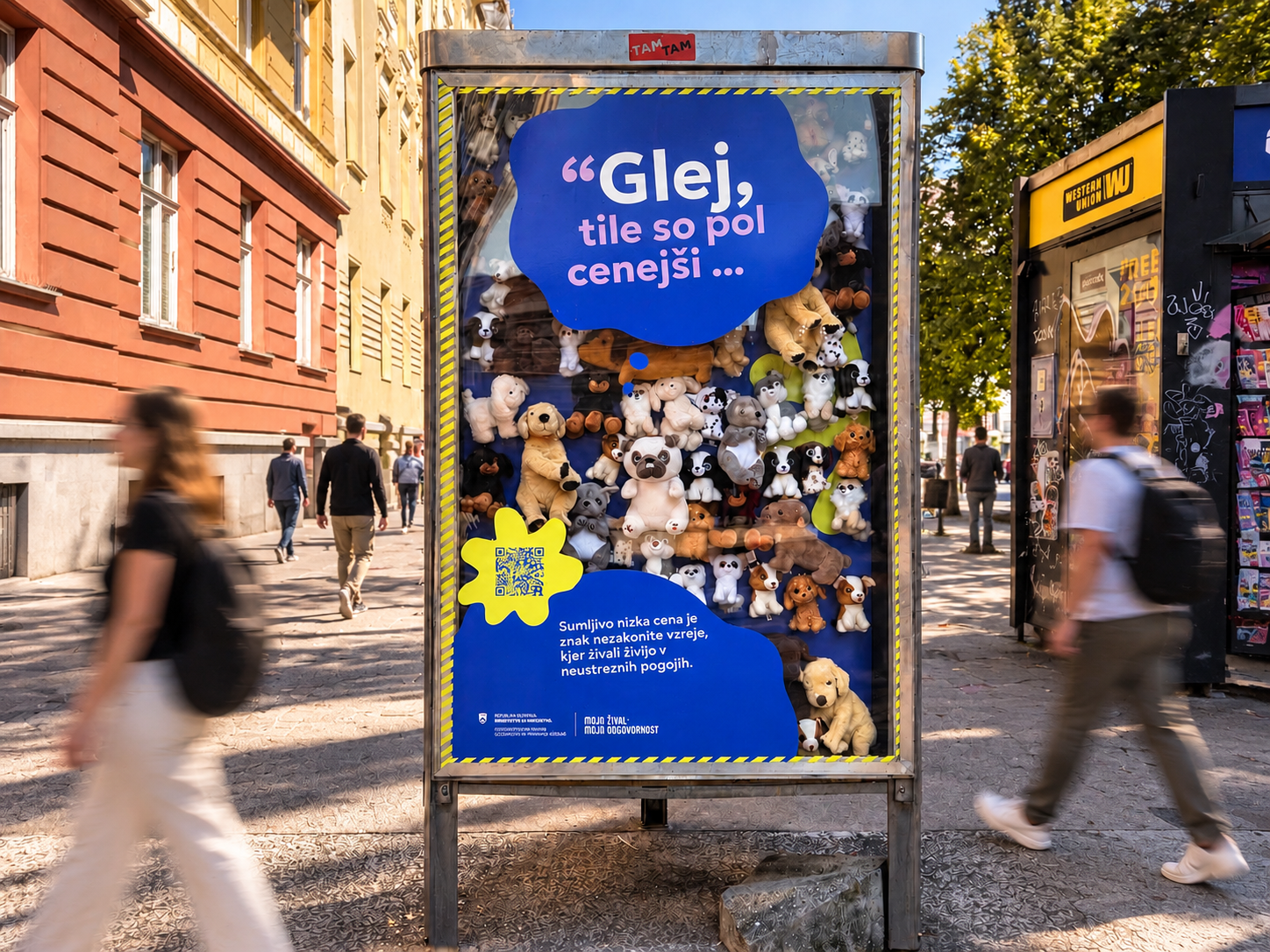
Due to increased illegal trade in dogs and cats in recent years, the Administration has been raising awareness about the risks aassociated with purchasing animals online. Websites and social media frequently advertise animals of unknown origin or from uncontrolled breeding establishments (puppy mills) with bad health and welfare conditions. Traumatic experiences during the first days of life can have lasting consequences for such animals, resulting in health and behavioural problems. These can cause serious suffering and distress to the animals, while also resulting in considerable stress and expense for their owners.
Advice for purchasing an animal safely:
- Puppies of pedigree dog breeds or pedigree kittens should be purchased directly from registered breeders. Adequacy of a pedigree should beforehand be consulted with a cynologist or felinologist;
- Avoid online advertisements offering allegedly purebred young animals without a pedigree at unusually low prices;
- Establish personal contact with the seller and, before the animal is delivered, visit the premises in person. You should be able to see the entire litter and meet the mother;
- Prior to delivery of the animal, the owner of the litter shall hand over to buyer the pet passport with the inscribed microchip number, the pedigree, and the purchase agreement;
- Be particularly cautious if a seller offers an animal from a third country, such as Serbia, accompanied by an EU pet passport. This may indicate an illegal practice;
- Never agree to have a young animal delivered in a public place (such as gas station or parking lot), or to meet the seller “halfway”.
The Administration urges potential buyers to report any suspicion of illegal trade in animals via this link.
Pet owners and prospective owners can find information on responsible purchasing, adoption and responsible ownership at odgovorenlastnik.si.
To mark this year’s World Animal Day, the Administration has launched a special awareness-raising campaign on responsible animal ownership, which is being presented at various public locations.