

First International Day of Caves and Karst to be celebrated in Postojna
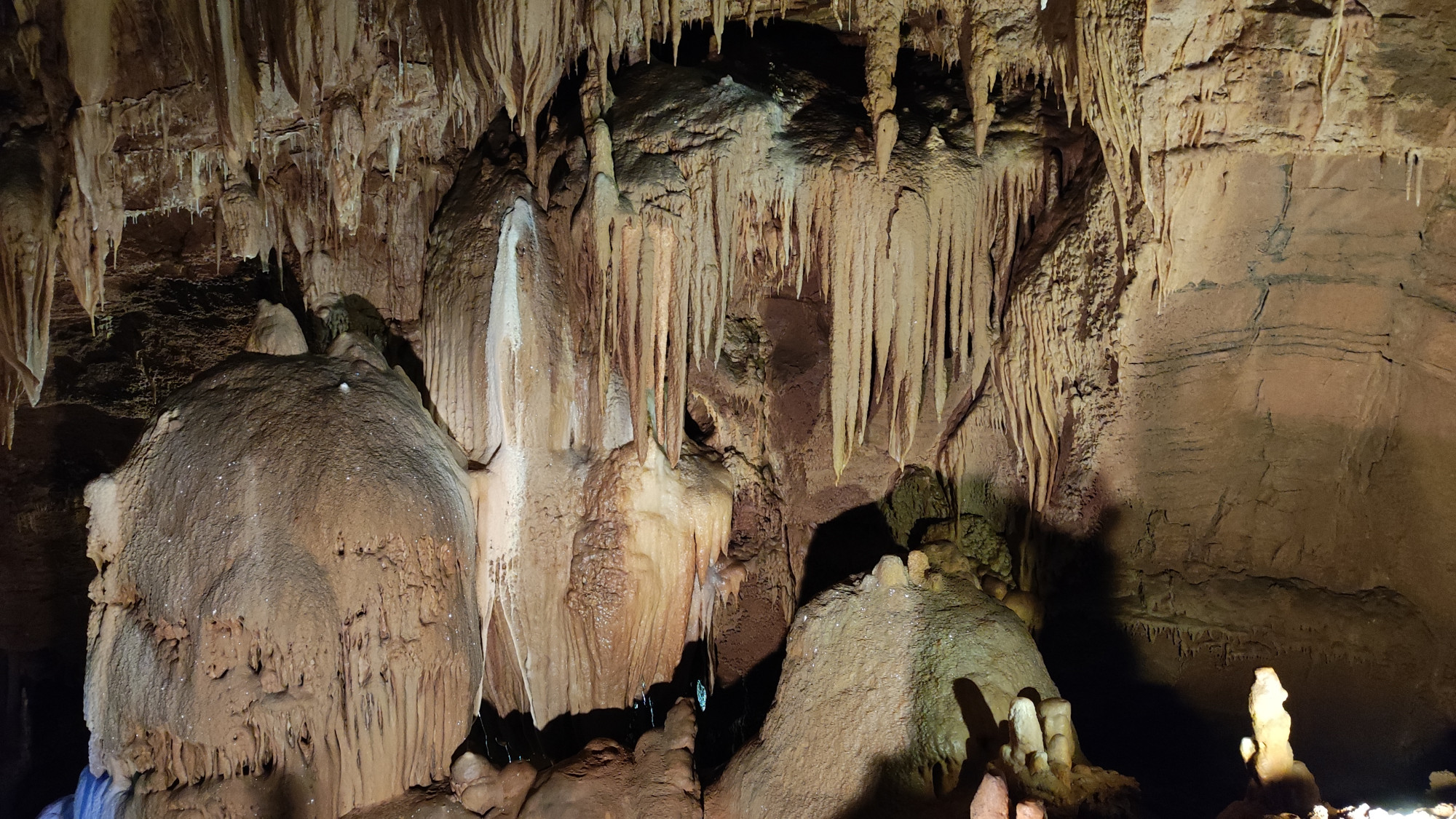
Županova Cave
The initiative was officially submitted by the Republic of Slovenia at the proposal of the International Union of Speleology. The International Union of Speleology, the former Ministry of Natural Resources and Spatial Planning (now the Ministry of the Environment and Spatial Planning), the UNESCO Office at the Ministry of Higher Education, Science and Innovation, and the Ministry of Foreign and European Affairs all played an important role in the proclamation process. The Permanent Representation of Slovenia to UNESCO in Paris also made a significant contribution, securing international support for the initiative.
Caves and karst landscape extend across almost one fifth of the Earth's land surface and provide drinking water for more than one billion people. They harbour unique underground ecosystems, fossil records and traces of human history. They form an important part of our natural and cultural heritage and play a crucial role in preserving geodiversity and biodiversity, as well as in understanding the Earth's history and climate change.
Numerous caves and karst features have already been recognised as part of Slovenia's natural and cultural heritage. The Škocjan Caves were the first site in Slovenia to be inscribed on the UNESCO World Heritage List, in 1986. In 2004, they were also designated a UNESCO Biosphere Reserve. In 1996, Slovenia committed to preserving and sustainably managing this exceptional area by adopting the Škocjanske jame Regional Park Act.
The park is managed by the Škocjan Caves Public Service Agency, which, in addition to conservation and development activities, promotes the area, conducts research and educational programmes, maintains infrastructure and works with residents living within the park.
Despite their exceptional importance, our knowledge of caves is limited
Caves remain poorly understood, vulnerable and often insufficiently protected. The importance of exploring, understanding and protecting caves and karst is also at the heart of the international scientific conference Explore, Understand and Protect: Towards the Sustainable Management of Caves and Karst, through which Slovenia will mark the first International Day of Caves and Karst.
The conference will be held from 10 to 13 September in Postojna under the honorary patronage of the President of the Republic of Slovenia, Nataša Pirc Musar, and the patronage of UNESCO. The event is being organised by: Slovenian National Commission for UNESCO, Postojna Cave, Škocjan Caves Park, Postojna and Pivka municipalities and Speleological Association of Slovenia.
Protection of caves and karst
Caves and karst features are highly vulnerable. They can be threatened by a range of human activities, including construction, fertilisation and the extraction of raw materials in quarries and mines. Caves, groundwater and their ecosystems are also threatened by inadequate wastewater management, waste dumping and other forms of pollution.
All caves in the territory of the Republic of Slovenia are valuable natural features of national importance and a public natural asset. No one may treat them in a way that could endanger their existence. The Cave Protection Act lays down protection regimes, conservation measures and other rules governing activities in caves. Caves are protected through stewardship, formal or temporary protection, and restoration.
In Slovenia, numerous projects are being carried out to conserve karst ecosystems, species and habitat types, as well as underground caves:
- Za Kras and Za Kras 2 – ensuring the appropriate utilisation of Karst grassland and walls for preserving selected habitat types and species in the Natura 2000 area – Kras;
- Za jame – conserving cave ecosystems by reducing the impact of tourism;
- ReNature – Restoration of the network of wetlands and grasslands important for Natura 2000 and other protected species and habitat types in the Karst Biosphere Reserve and the Reka River Basin and the Seasonal Lakes of Pivka Nature Park;
- Kras.Re.Vita – improving the conservation status of the most important parts of grassland and wetland areas for nature conservation at Lake Cerknica and Planinsko polje.
First stewardship agreements for caves concluded at the Ministry
This year, the Ministry of the Environment and Spatial Planning began concluding agreements on stewardship for caves. Through these agreements, the state formally regulates the status of cave stewards in accordance with the Cave Protection Act for caves open to tourists and designated under the Order for the stewardship of underground caves.
Stewardship is a cave protection measure intended to preserve caves, cave life and cave contents. The stewardship agreements, among other things, set out the responsibilities of the cave steward, the cave visitation plan prepared jointly by the Ministry, the steward and the Institute of the Republic of Slovenia for Nature Conservation, the rights and obligations of the steward and the state, the costs of stewardship and the admission fee set by the minister responsible for nature conservation.
By concluding these agreements, the Ministry aims to ensure the conservation of cave environments in caves open to tourists while also enabling high-quality visits that raise awareness of the exceptional nature and importance of the cave environment.
The appointed cave stewards have extensive experience in cave research and guiding visitors. They will therefore guide visitors through the cave environment with respect for nature, the researchers who have explored this world and the people who have left their cultural mark on it.
Following the first public calls for applications, the Ministry selected cave stewards after reviewing the applications received and agreed the terms of the agreements with them, including the cave visitation plans. Stewardship agreements were concluded with the following associations:
- Dimnice Koper Speleological Society for Dimnice Cave;
- Županova jama – Grosuplje Tourism and Environment Society for Županova Cave;
- Planina Speleological Society for Planina Cave.
A stewardship agreement for Kostanjevica Cave with the Kostanjevica na Krki Caving Club is also currently being concluded.
Under the Order for the stewardship of underground caves, the Ministry has designated 22 caves where stewardship is carried out as a conservation measure. In September, the Ministry will continue concluding stewardship agreements and launch new public calls for applications for cave stewardship.