

Slovenia and Croatia strengthen dialogue: We share more similarities than differences
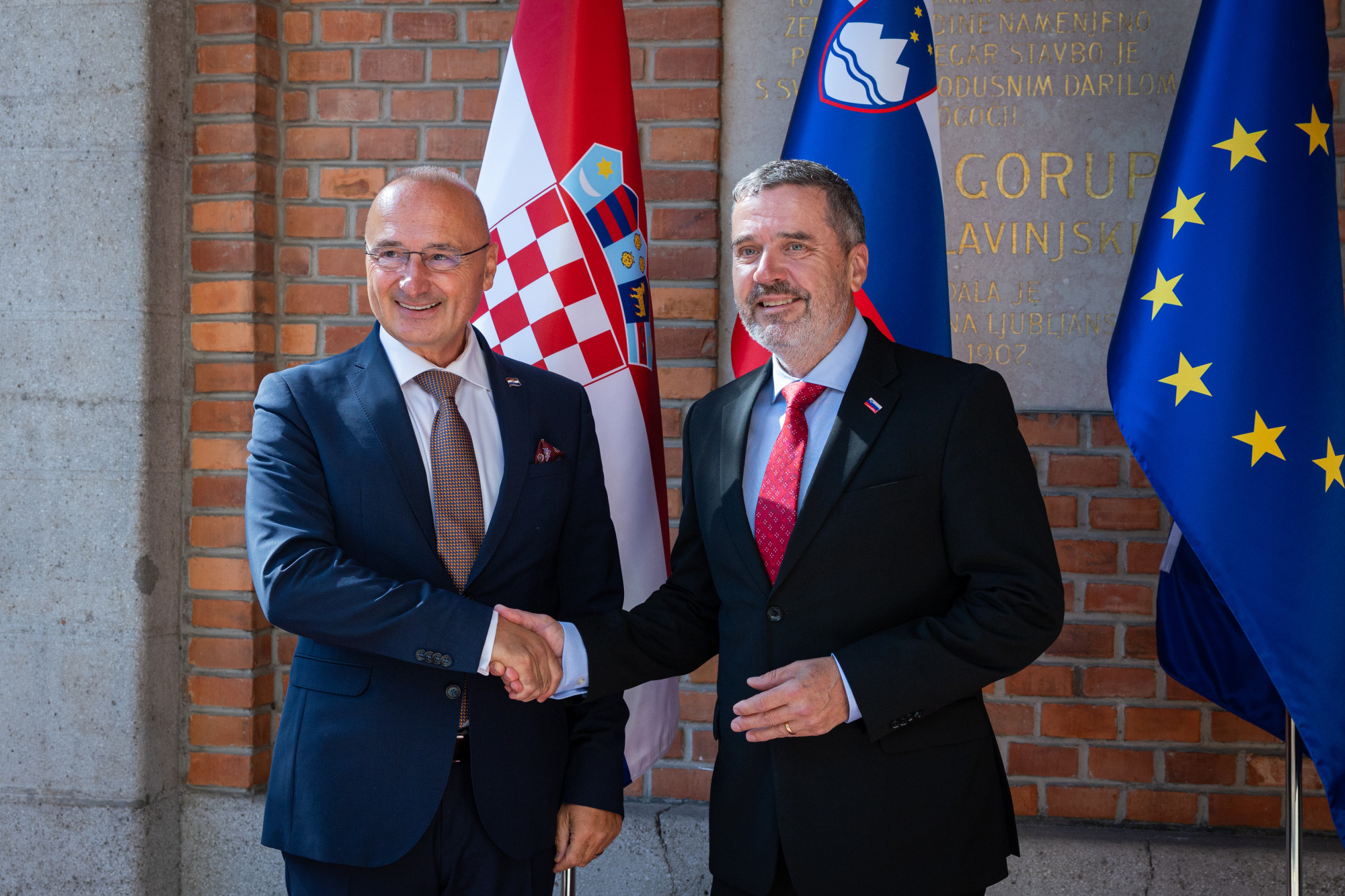
Ministers Tone Kajzer in Gordan Grlić Radman | Author STA

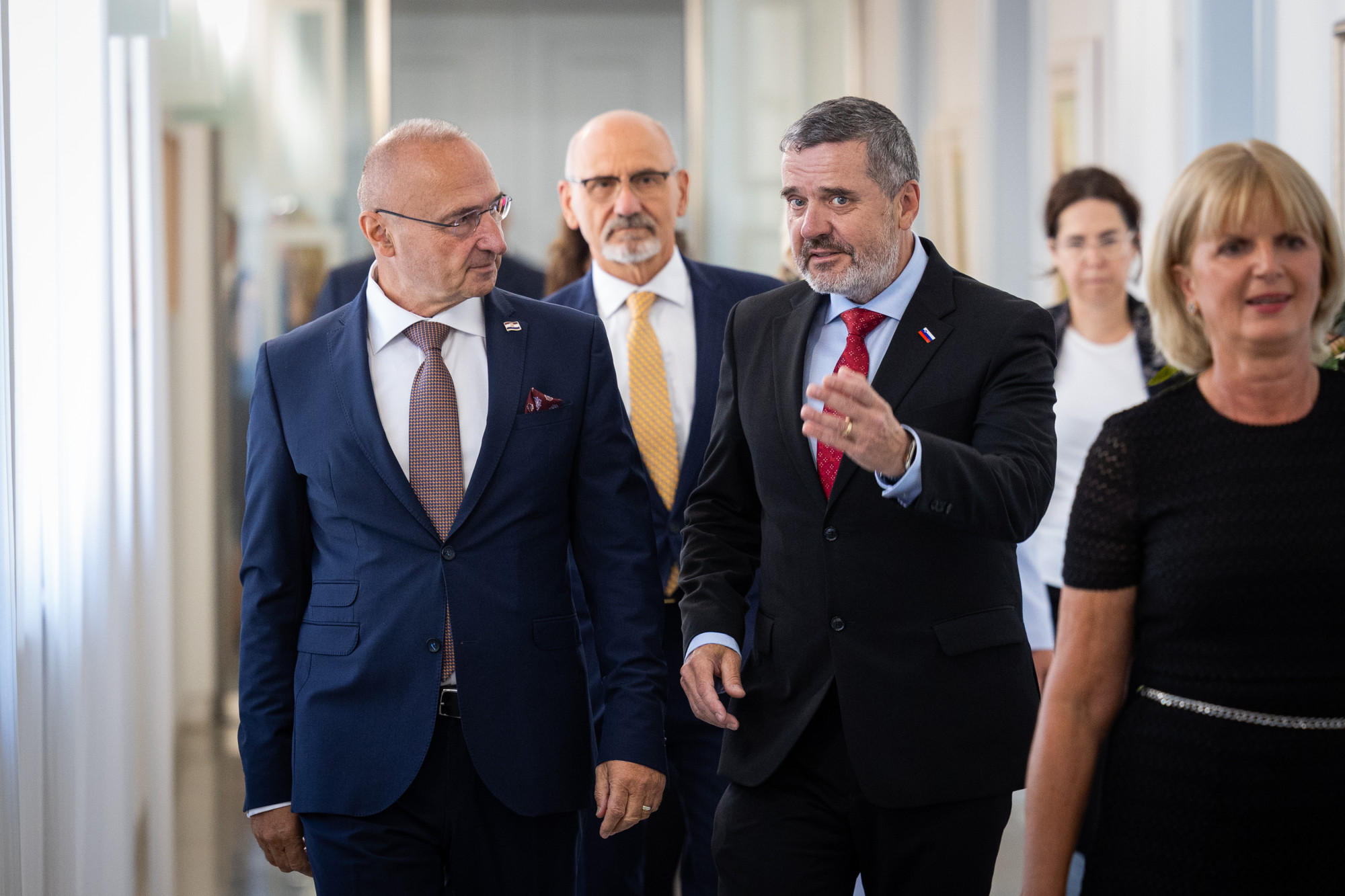
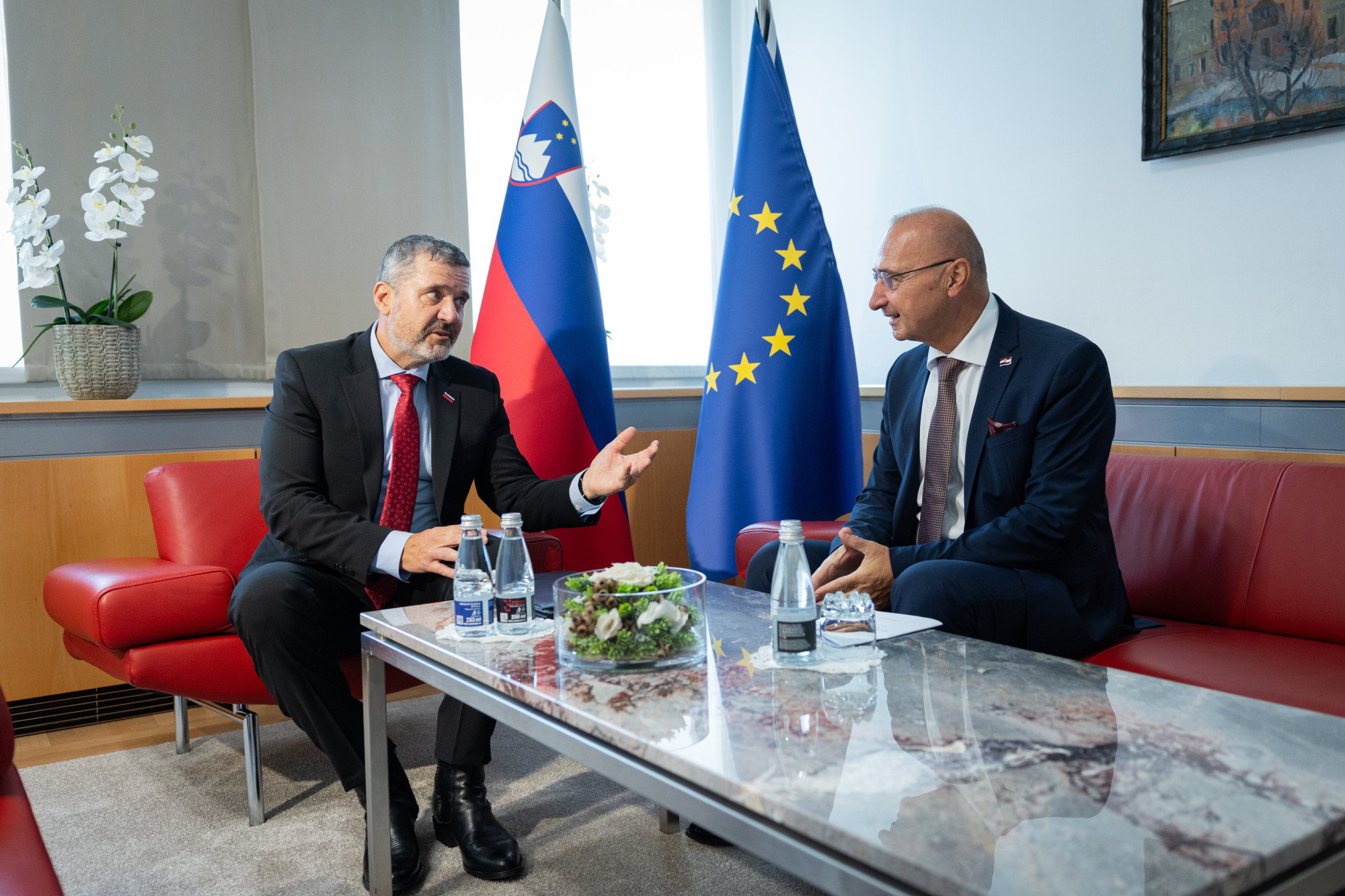

“Slovenia and Croatia enjoy close relations and share many common interests and bonds. Maintaining good relations with neighbouring countries is in our strategic interest and is one of Slovenia’s key foreign policy priorities. I am convinced that far more unites us with Croatia than divides us,” Minister Kajzer emphasised.
During their first meeting in Dubrovnik following Minister Kajzer’s appointment, the two ministers agreed to strengthen dialogue in areas where the two countries are already cooperating successfully, as well as on issues where common solutions still need to be found. Today’s talks confirmed both sides’ willingness to continue regular and constructive dialogue.
Cooperation between Slovenia and Croatia is intensive in many areas, ranging from the economy, trade and investment to tourism, energy, infrastructure and EU cooperation. Trade between the two countries has grown steadily for a number of years and has tripled since Croatia joined the EU. In the first half of this year alone, it increased by eight per cent compared with the same period last year. At the same time, Croatia is the most important destination for Slovenian direct investment abroad.
As part of the visit, the ministers will also tour the Iskra factory, a family-run Slovenian company that is a prime example of successful Slovenian economic activity and investment in Croatia. This will provide an opportunity to learn about the company’s operations, its investments and development plans, and to discuss possibilities for further strengthening economic cooperation between the two countries. Through its expertise, quality, innovation and products offering high added value, Iskra successfully competes in Croatia and other international markets.
“Successful Slovenian investments in Croatia demonstrate that economic cooperation between the two countries has great potential for further growth. Companies such as Iskra, with their expertise, innovation and long-term presence, make a significant contribution to the integration of our economies,” stated Minister Kajzer.
An important aspect of bilateral relations is cooperation that brings tangible benefits to people on both sides of the border. Significant achievements include cross-border cooperation in providing emergency medical assistance and hospital treatment, an agreement on renovating cross-border bridges, and collaboration in water management and flood protection. Work has also resumed within the Joint Intergovernmental Mixed Commission for the Implementation of the Agreement on the Management of Military Camps.
“A border is not just a line between two countries. It is a space where people live, work, cooperate and help one another. That is why we want the border between Slovenia and Croatia to unite, not divide,” said Minister Kajzer.
The two ministers openly discussed the outstanding bilateral issues. They agreed that these must be addressed responsibly, pragmatically and gradually, based on mutual trust and a willingness to find solutions.
“We do not need to solve everything at once. The important thing is that we seek solutions and make progress. We have agreed on a kind of ‘roadmap’. Each resolved issue means less of a burden from the past and more scope for cooperation in the future,” the Minister emphasised.
The ministers devoted part of their discussions to current foreign policy and security issues, the situation in Europe and the wider international arena, as well as cooperation within the EU and NATO. They emphasised the special responsibility of Slovenia and Croatia, as members of both organisations in the region, to promote good neighbourly relations and thereby contribute to regional stability, security and progress.
As part of the visit, the ministers will also lay flowers at the Ljudevit Gaj monument in Ljubljana, symbolising the historical and cultural ties between the two countries. This gesture highlights the importance of friendship between the two countries and of their good neighbourly relations, which must be based on mutual respect, trust and dialogue. “It is in our interest to have stable, forward-looking and good-neighbourly relations with Croatia. To achieve this, we need regular dialogue, mutual trust and political will,” concluded Minister Kajzer.