

Exchange of professional experiences in controlling the Japanese beetle
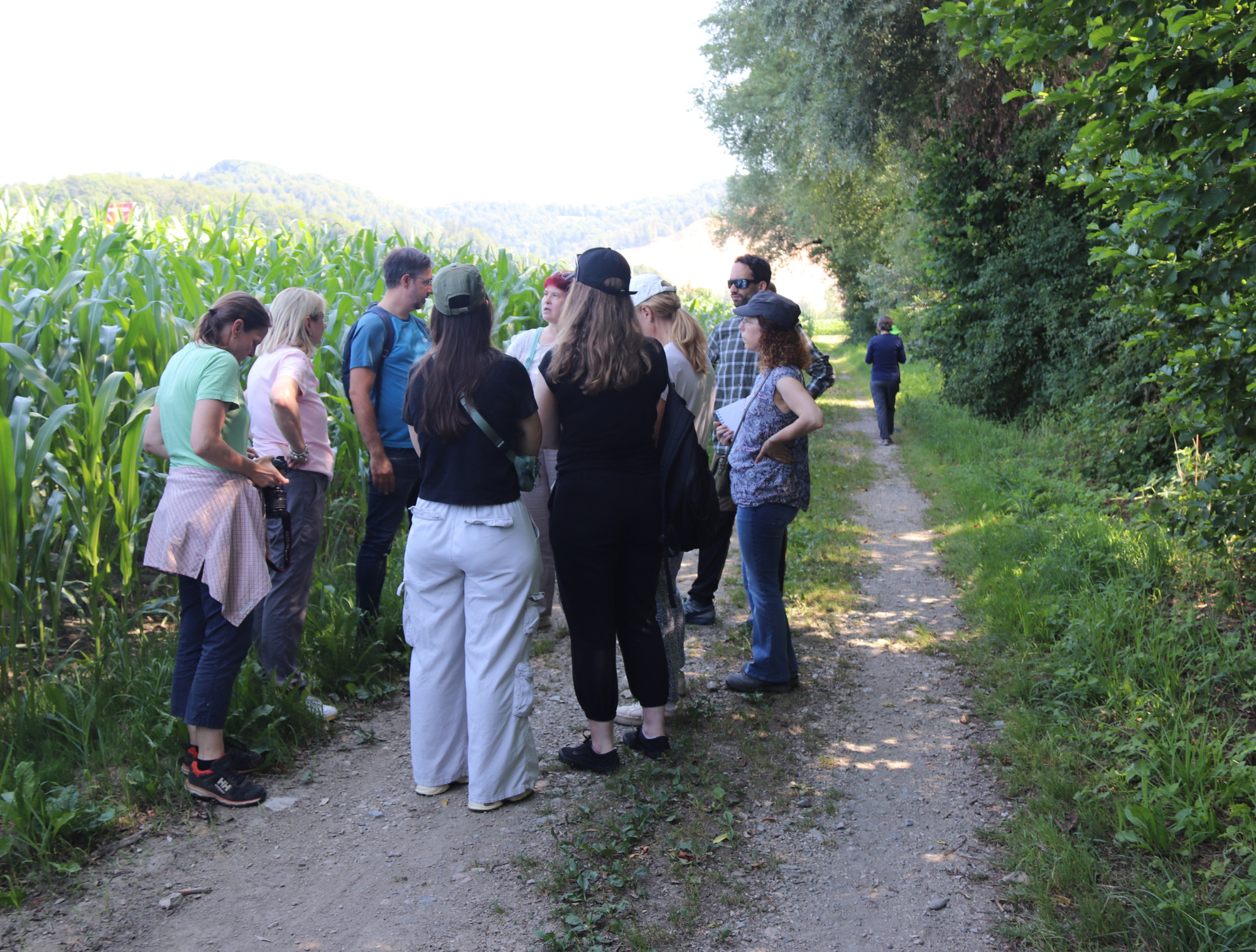
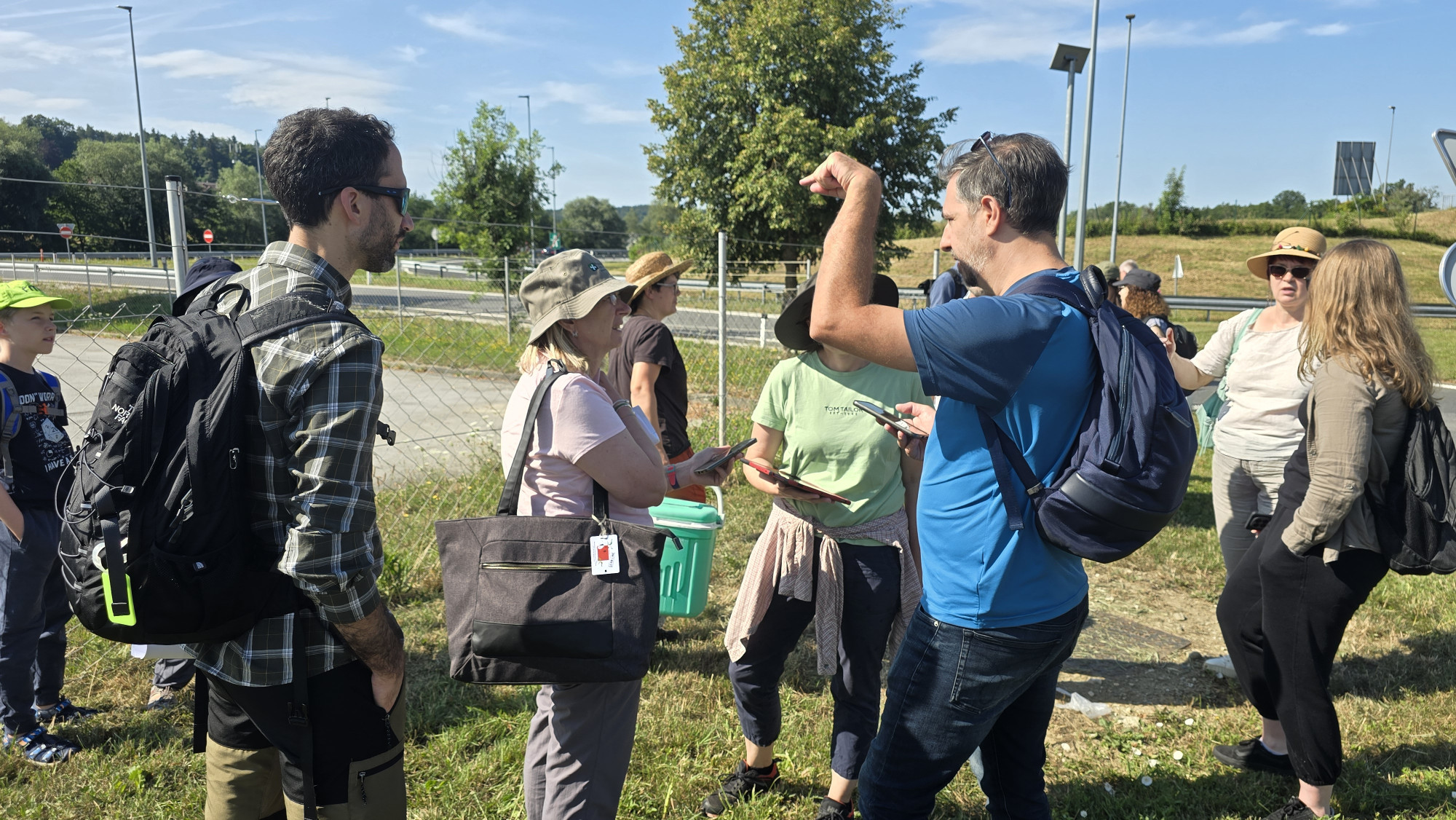
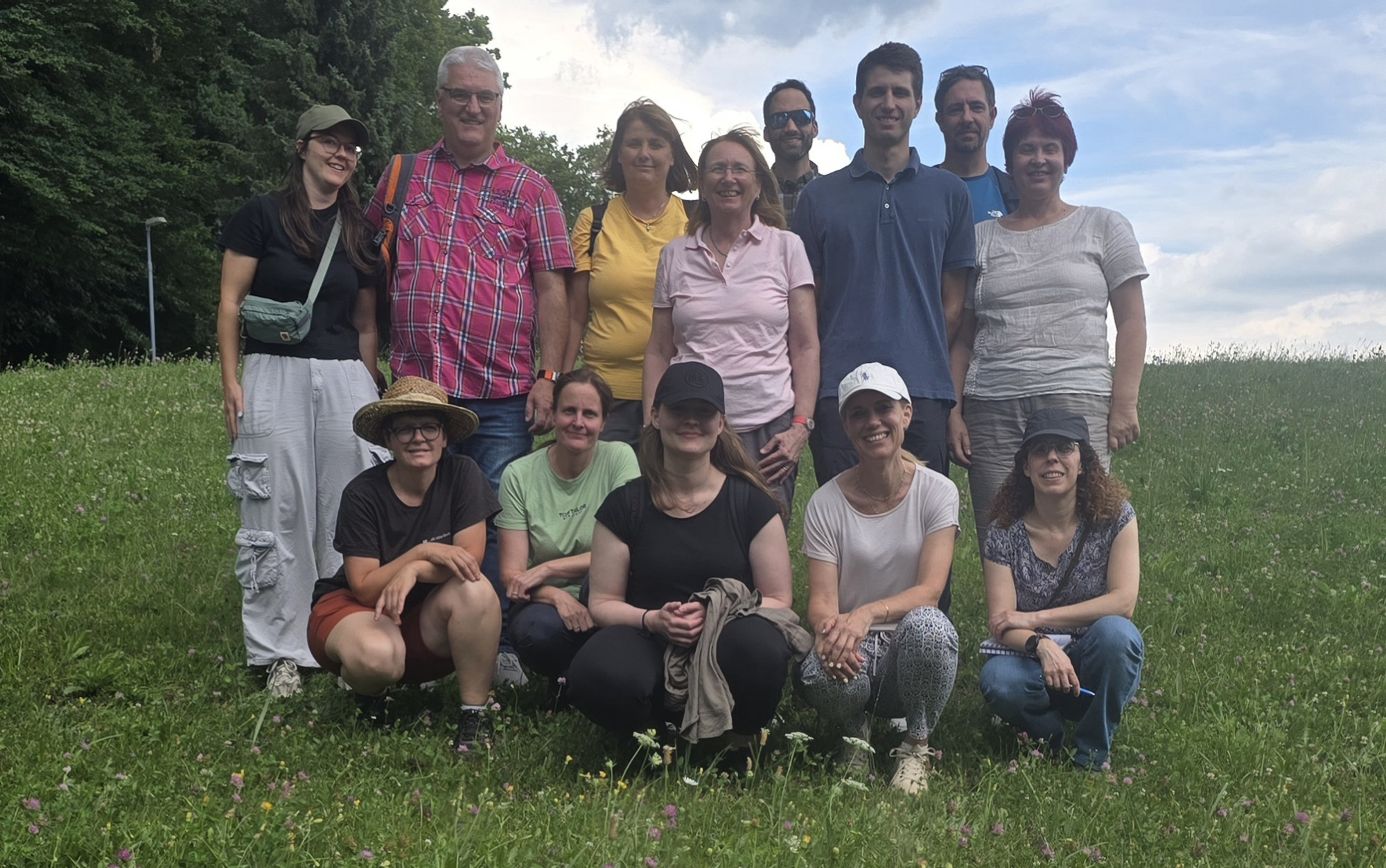
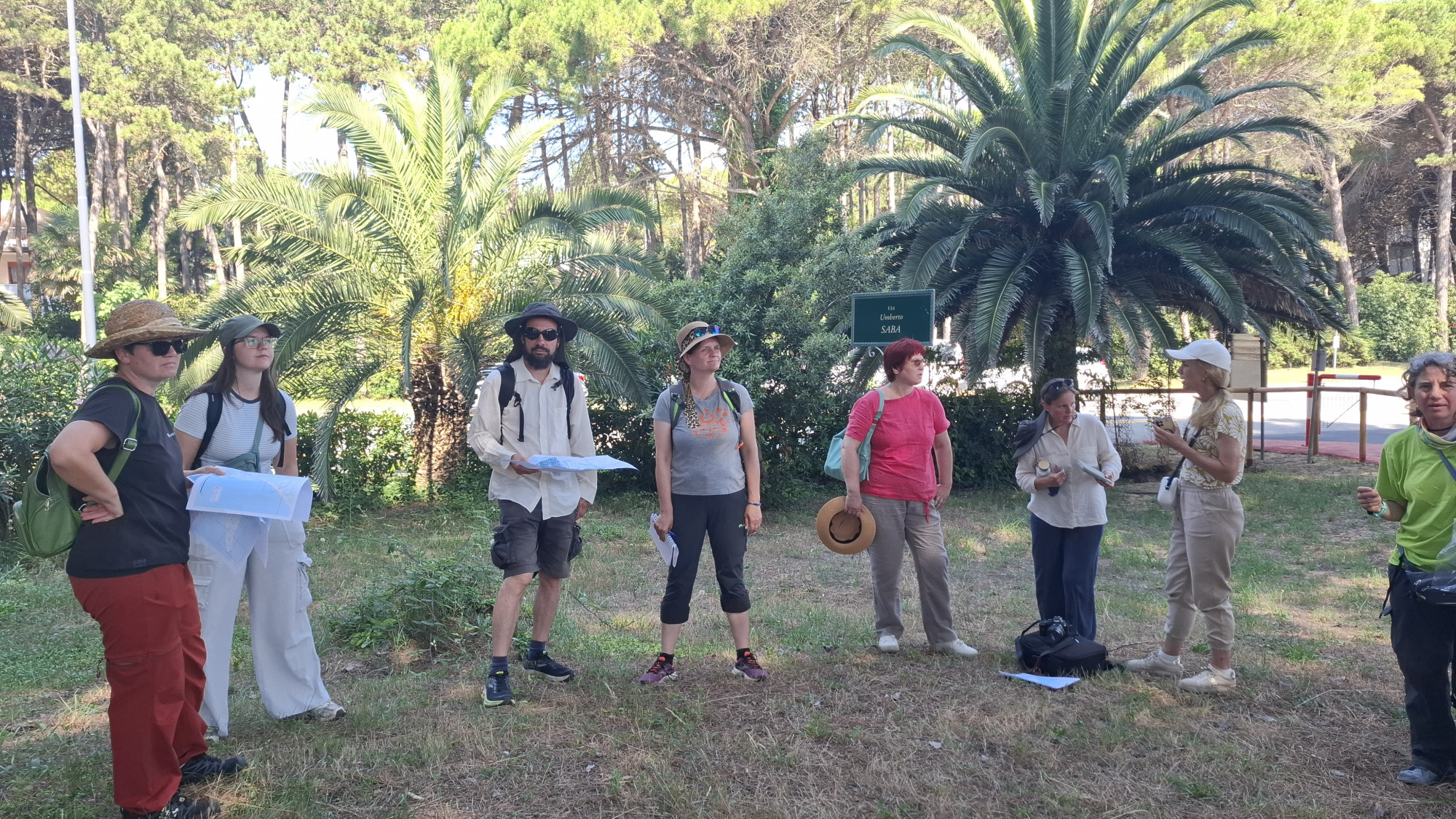
In the beginning of July 2026, the Administration representatives met with the Phytosanitary Services of the Friuli-Venezia Giulia region, observing mass entrapment of the Japanese beetle, other eradication measures, and prevention of spread of the beetle. Part of visit involved exploring the citrus spiny whitefly detection sites, and placing traps for the oriental fruit fly. The two species belong to quarantine pests as well. Participants additionally familiarised themselves with awareness raising campaigns on quarantine pests.
From 7 to 8 July 2026, the EU Plant Health Emergency Team were on a working visit in Ljubljana, including three experts from Lombardy, where the Japanese beetle eradication measures have been under way for a number of years. Two European Commission representatives participated in the meeting as well. This is the first such plant health team that is set up on the basis of the amended EU Plant Health Regulation.
In the intensive professional dialogue and based on experiences in Italy, we were looking for directions in practice so as to control the Japanese beetle.
Later, the participants visited the Ljubljana Barje (Moorland) demarcated zones, and examined the introduction of the Japanese beetle eradication measures at Lukovica. Major focus was on mass entrapment of adult beetles using pheromone traps, a most effective eradication measure for this pest. Other key measures presented included soil treatment with nematodes, preventing the spread of larvae via saplings, and awareness raising activities targeting in particular the inhabitants within demarcated zones. The EU Plant Health Emergency Team expressed their satisfaction with measures instituted and conducted so far. Additional recommendations on Japanese beetle eradication in practice and further spread prevention were presented.
International cooperation in particular with countries where certain quarantine pests and diseases are endemic, coordination of domestic and foreign experts, and direct support of EU Plant Health Emergency Teams are important contributions to more effective quarantine pest and disease eradication measures and, based on risk assessment, to prevention of spread of quarantine pests.