

Day of Nature highlights collaboration and responsibility for well-preserved nature, Morigenos society receives Rado Smerdu Award
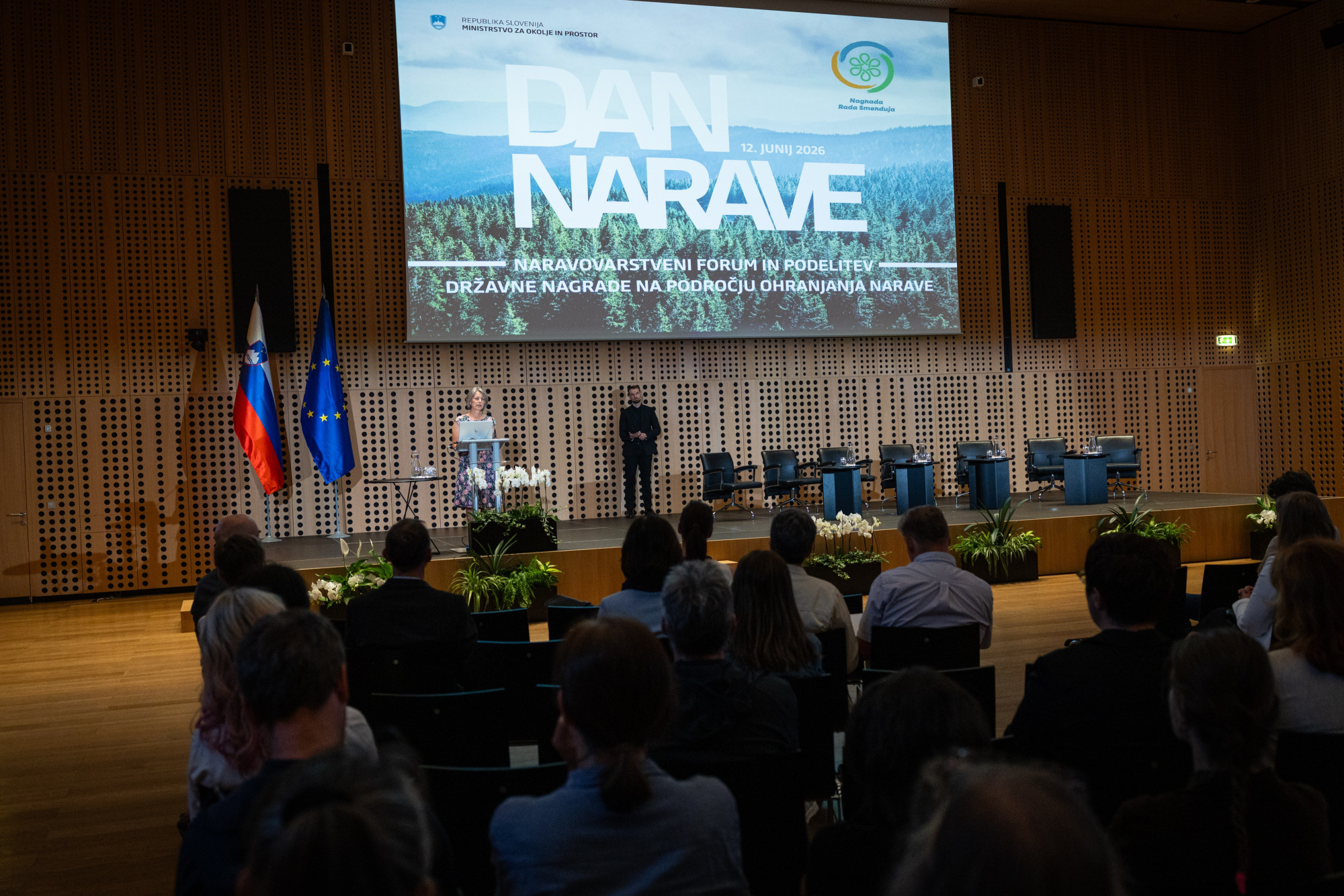
The 2026 Day of Nature (in Slovenian) has once again reminded people that the protection of nature is not solely the responsibility of certain institutions or experts. It is a shared responsibility that requires understanding, patience, determination, and willingness to collaborate. These are topics that concern not only nature protection experts and institutions, but rather society as a whole.
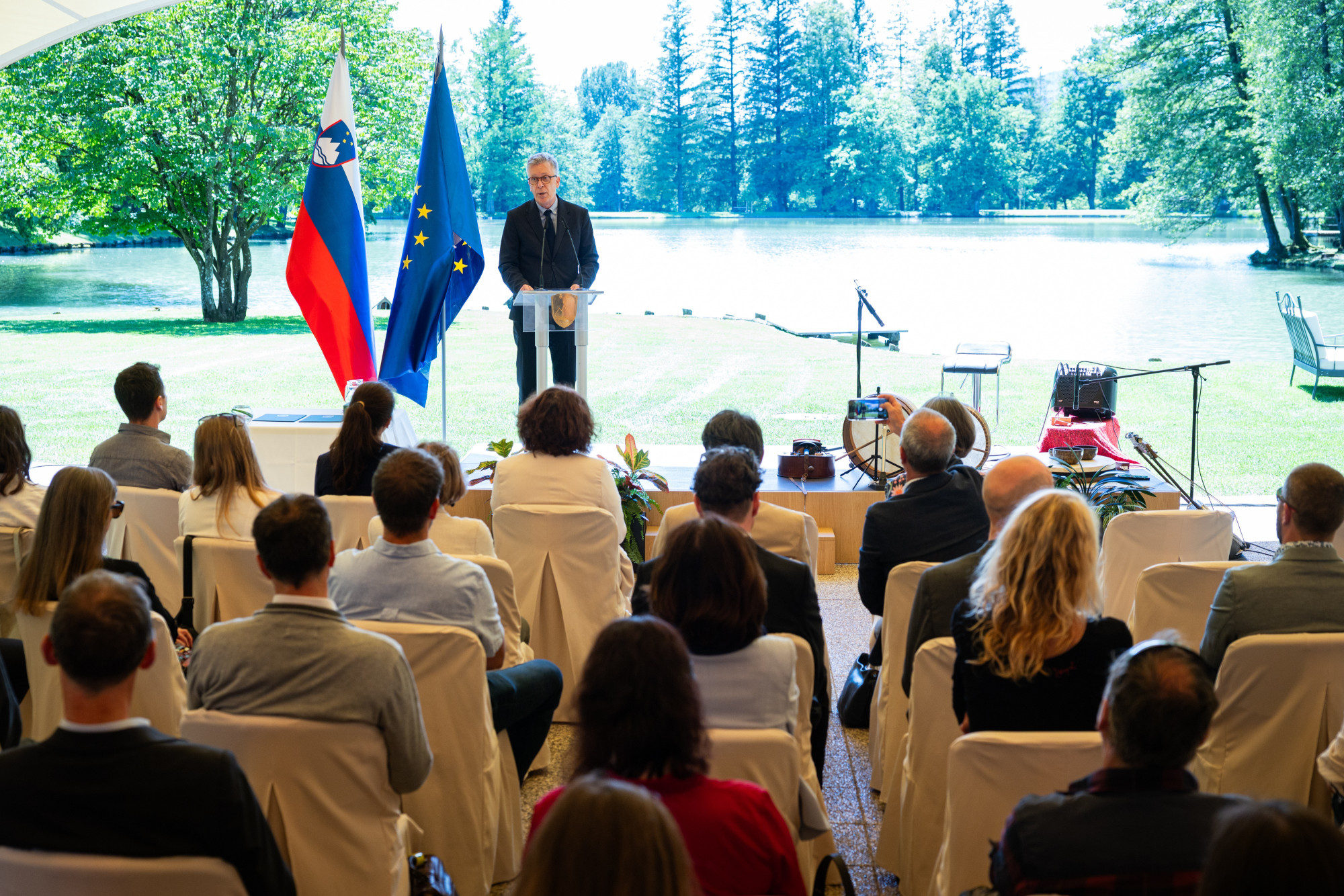
In his address at the awards ceremony, State Secretary Peter Lovšin at the Ministry of the Environment and Spatial Planning emphasised that Slovenia is justly proud of its remarkable natural heritage: "We are among the most biodiverse countries in Europe. In this small area, a variety of ecosystems, species of flora and fauna, and landscapes coexist that are invaluable in terms of nature protection and the quality of human life."
"Nature restoration is not a cost but an investment in the future. It is an investment in public safety, community resilience, and the sustainable development of the economy. At the same time, it creates new opportunities for green jobs, the development of local knowledge, the enhancement of circular economy, and also further development of tourism," added Lovšin.
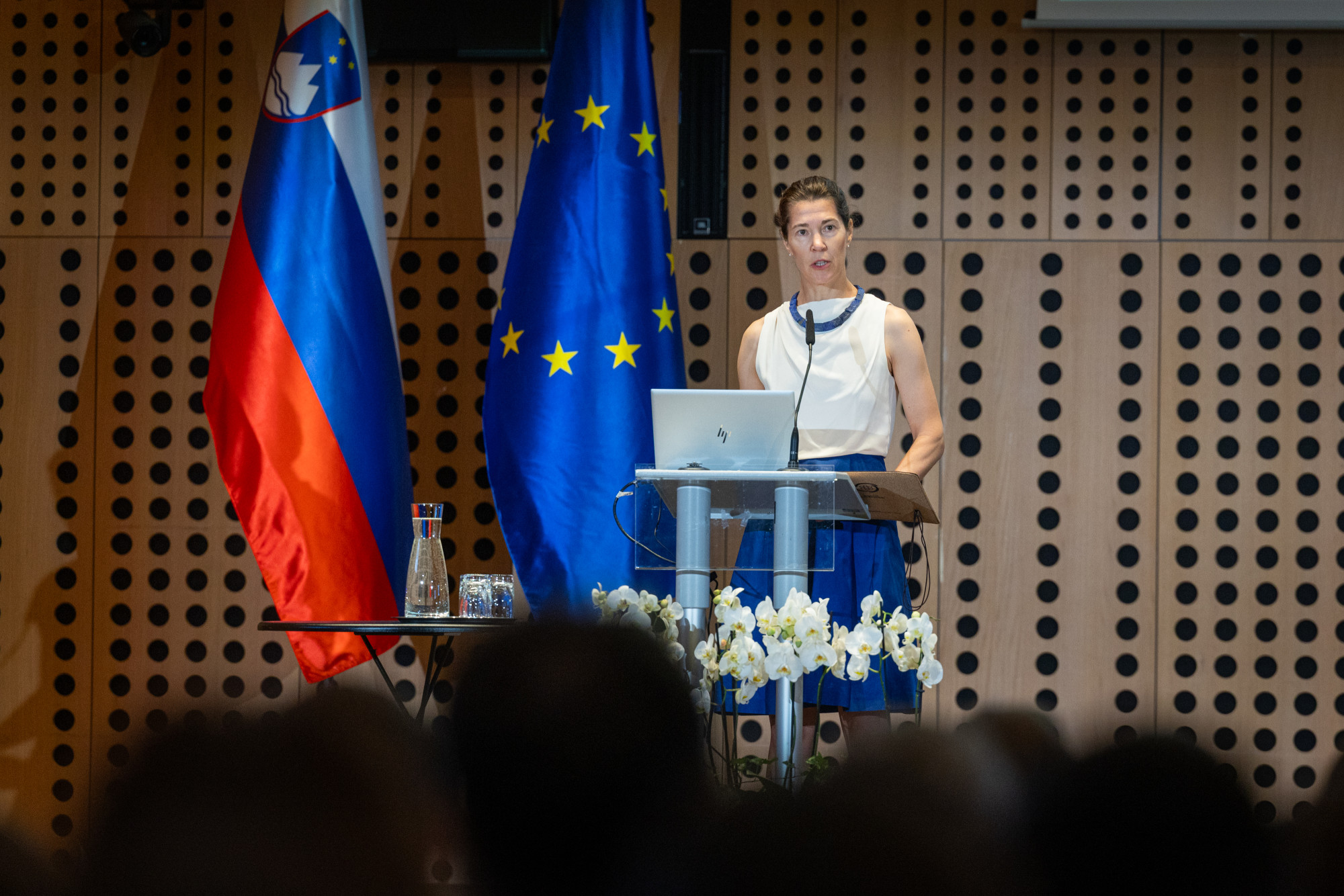
Katarina Groznik Zeiler, the Director-General of the Nature Directorate at the Ministry of the Environment and Spatial Planning, in her opening address drew attention to the role that nature conservation plays in mitigating climate change: "The leading experts in climate change and biodiversity preservation agree that well-preserved and functional ecosystems are a key to society's successful response to extreme climate changes." Nature-based solutions can efficiently and effectively achieve various societal goals, such as flood prevention, improving the quality of drinking water, increasing soil fertility, and providing opportunities for relaxation and recreation.
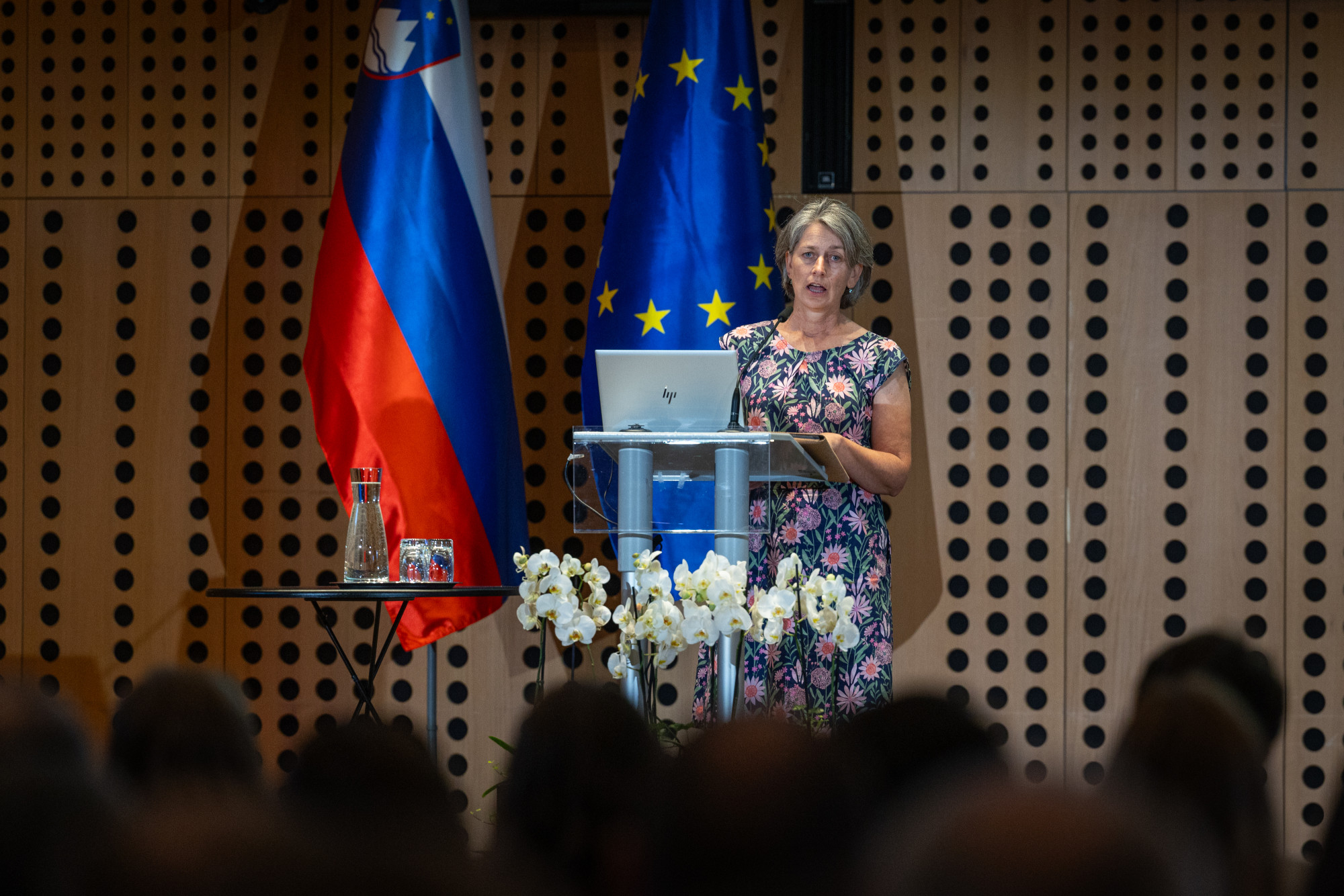
Jerneja Penca, Head of the Mediterranean Institute for Environmental Studies at the Science and Research Centre Koper, said that the 21st-century nature protection systems require decision-making systems that can respond to new tasks, interconnect sectors as well as learn and adapt. "It's not about having fewer rules. It's about having better rules that allow for adaptation without compromising on high standards," she emphasised. In her opinion, the future of nature protection and restoration depends on our ability to collaborate, learn, and have the courage to take steps towards positive changes.
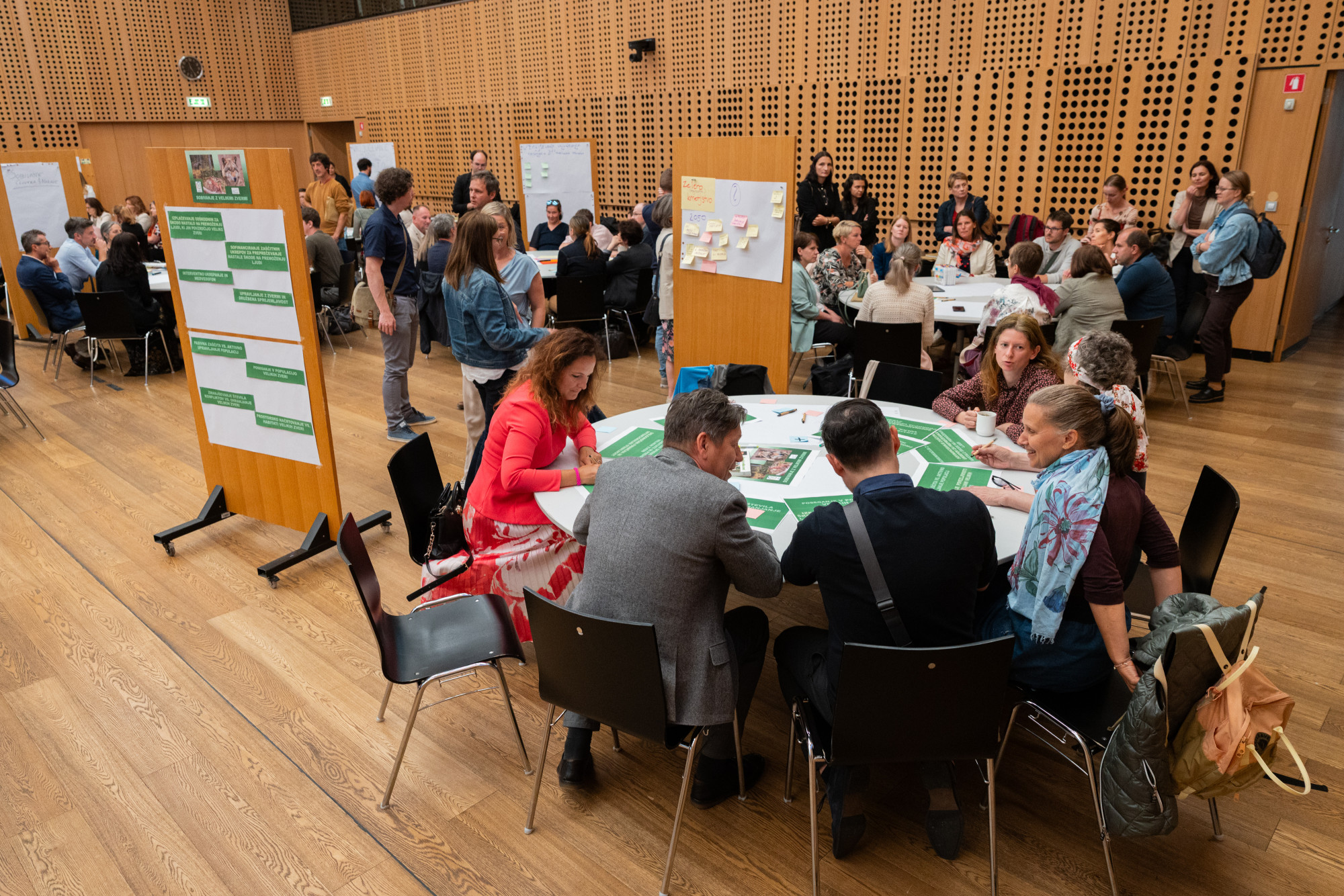
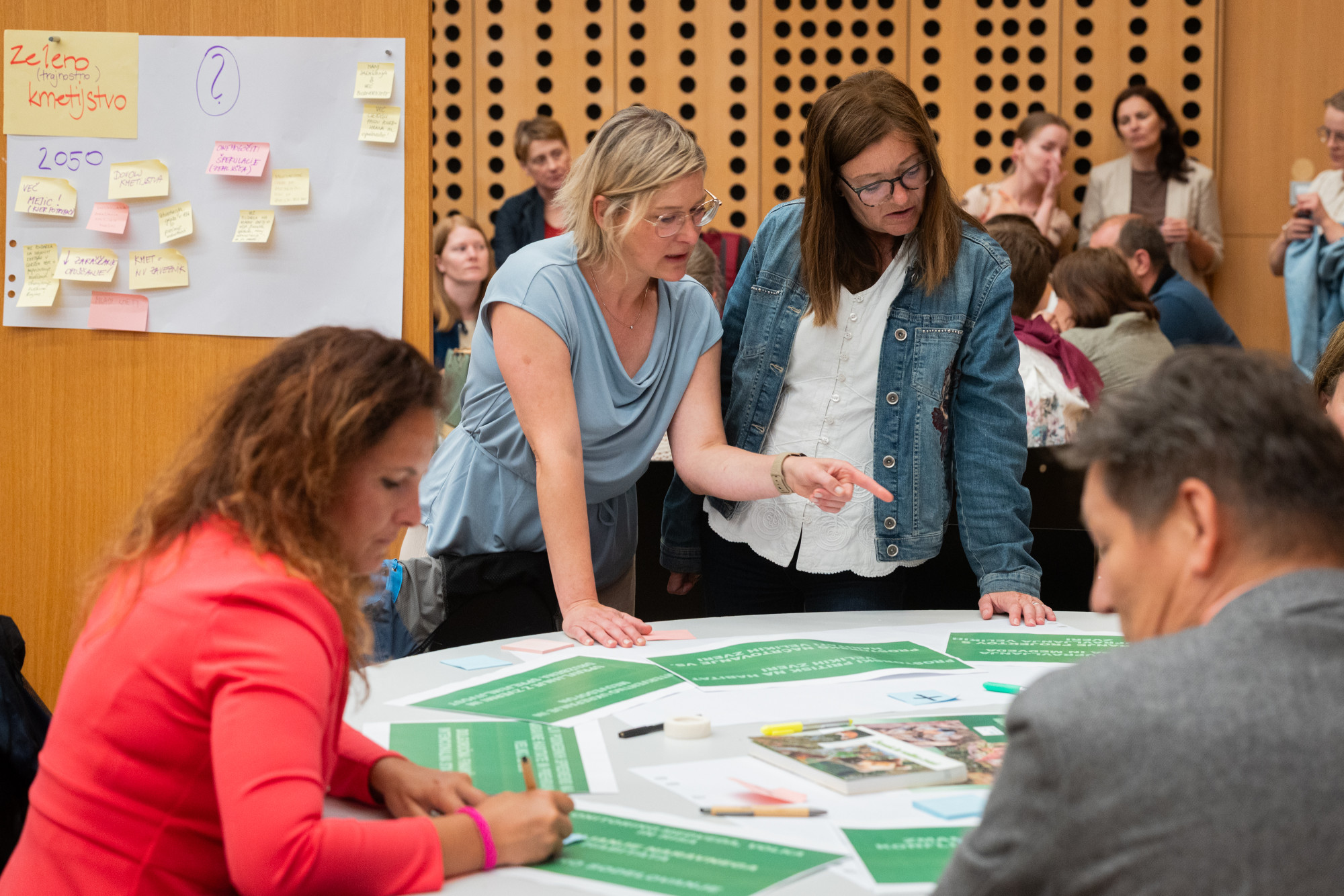
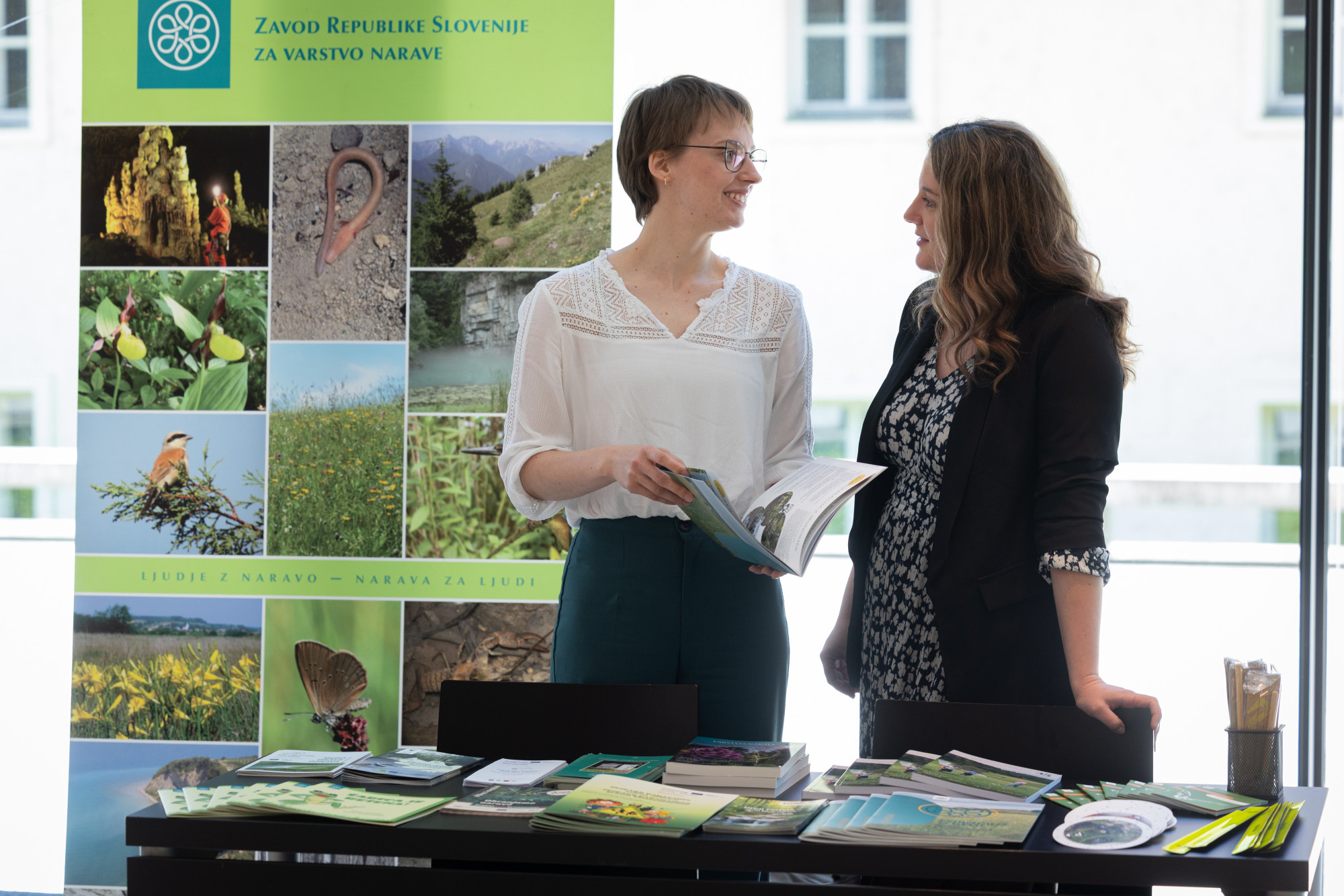
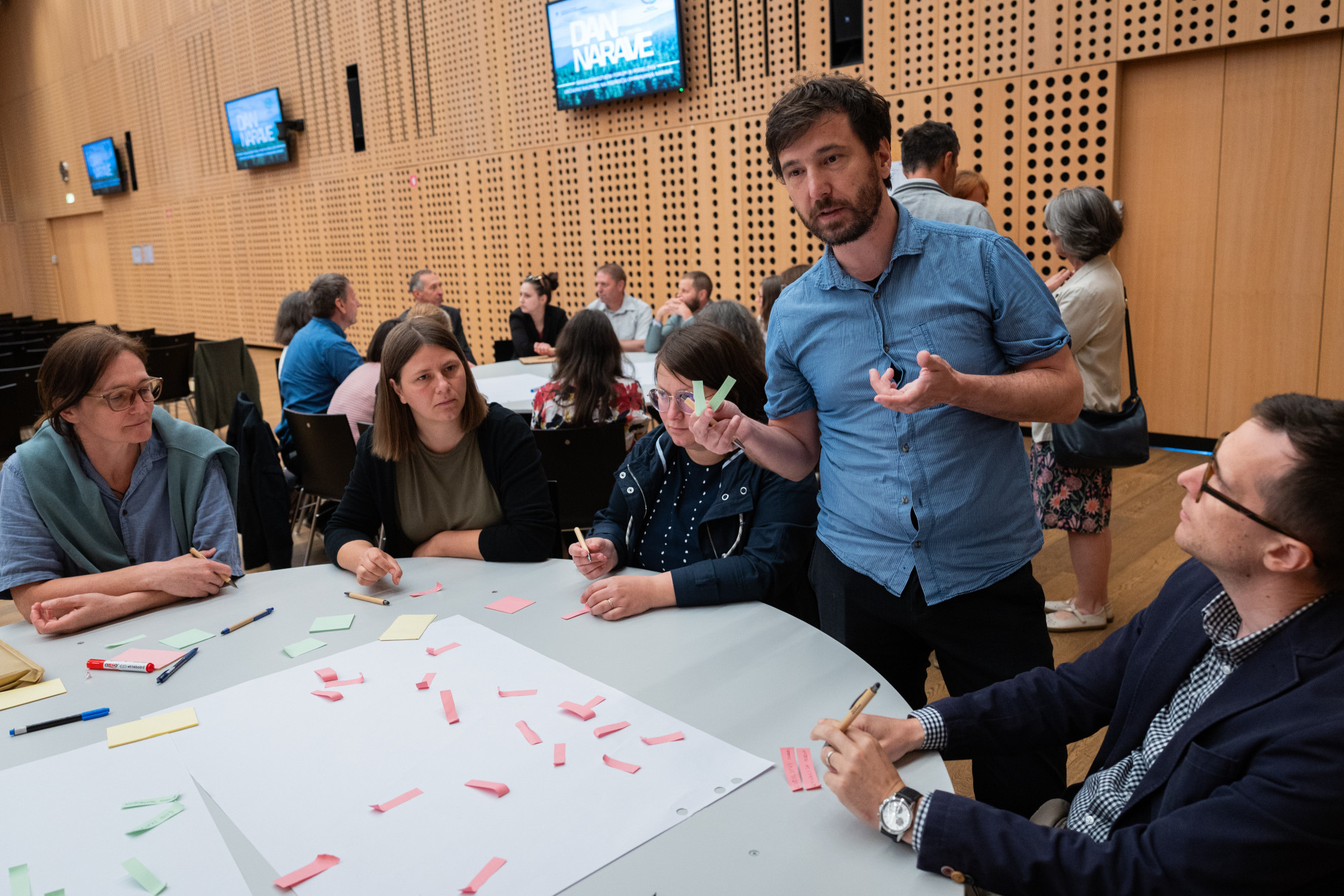
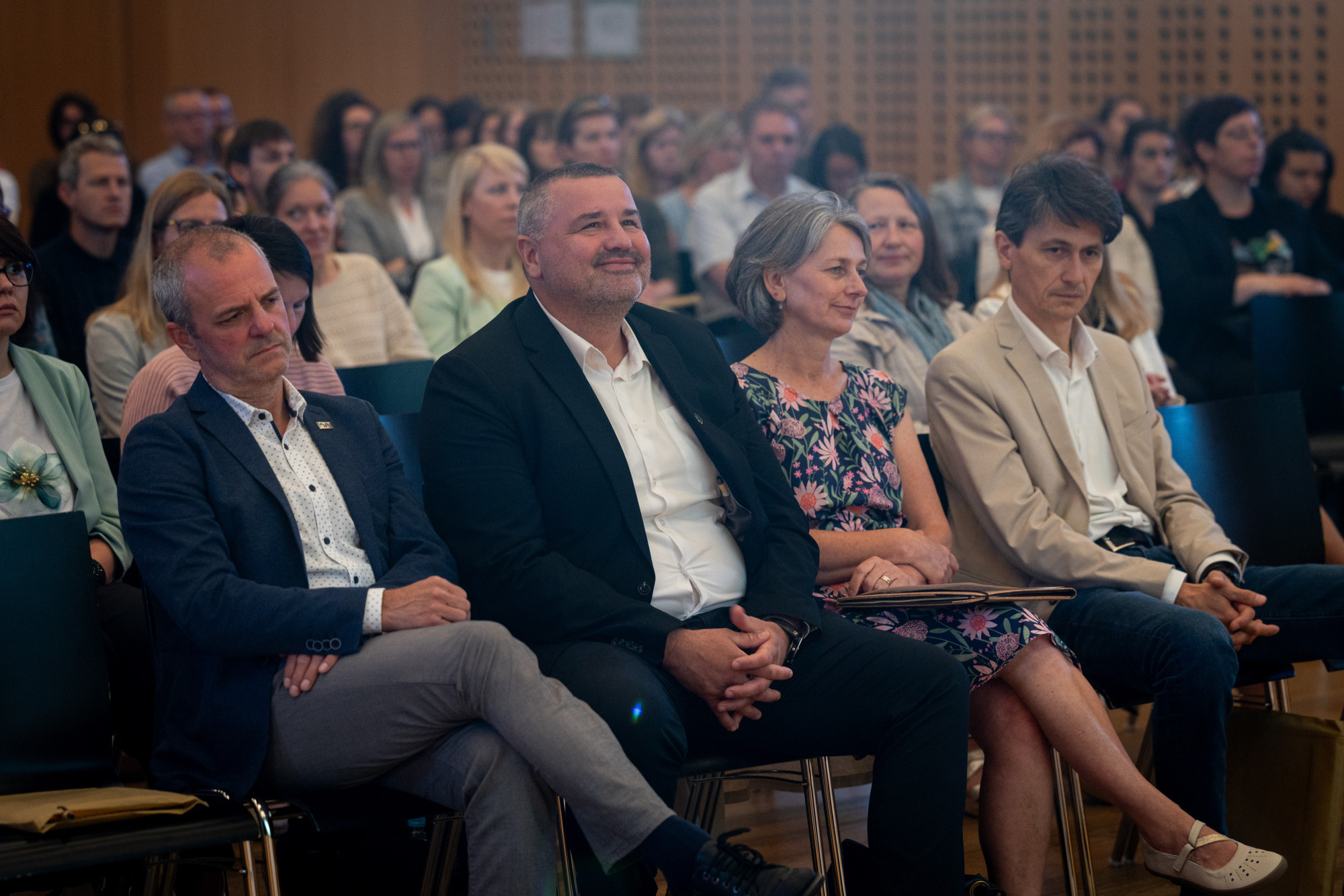
Working together for nature
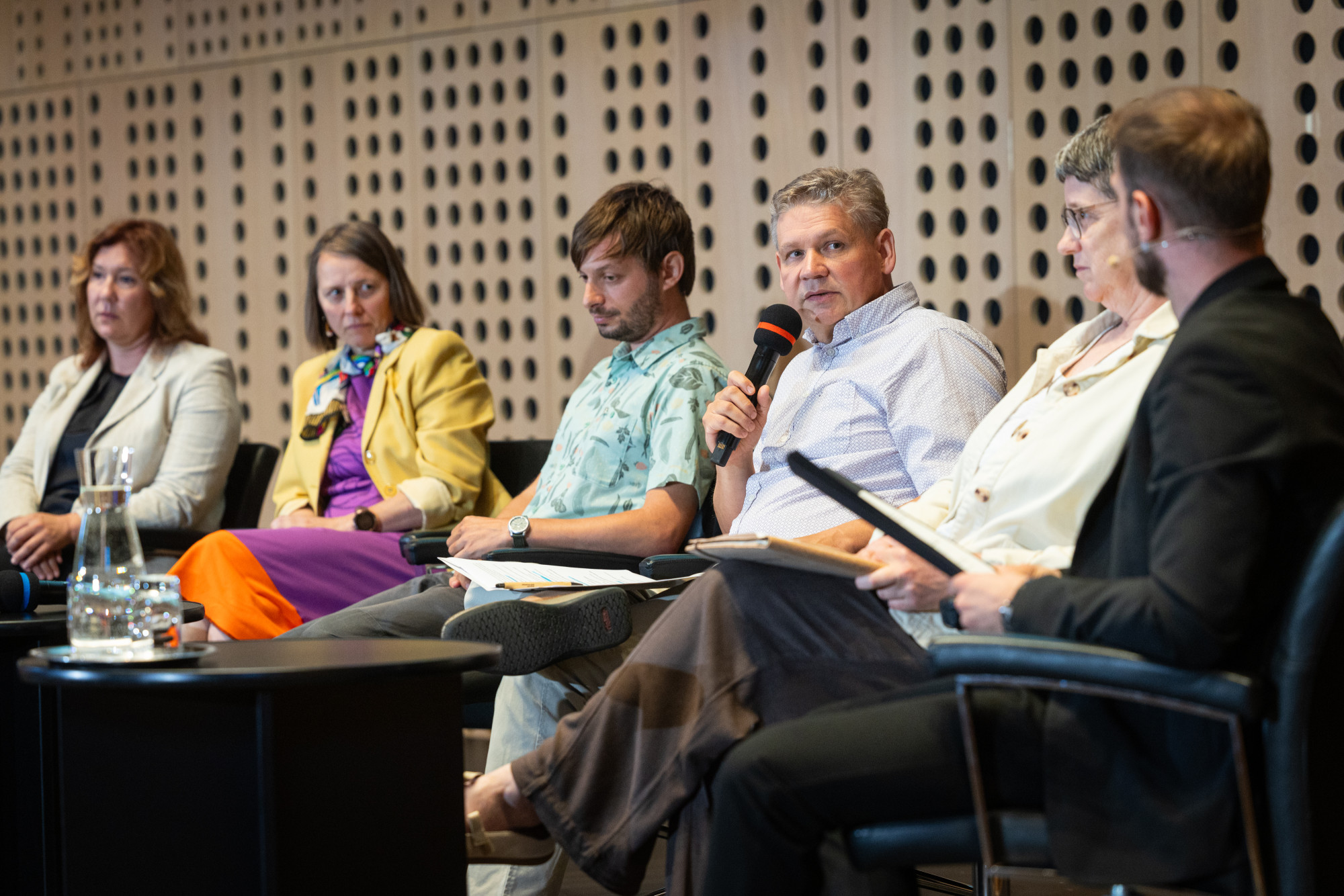
The expert segment of the event featured a discussion on concrete examples of best practices and Slovenia's existing experiences in improving the state of nature. The discussion covered three topics: Natura 2000 cohesion projects, the restoration of nature in practice, and the coexistence of humans and nature.
Andrej Bibič, Head of the Biodiversity Division at the Ministry of the Environment and Spatial Planning's Nature Directorate, presented accomplishments in nature conservation at Natura 2000 sites: "The key achievements include the integration of Natura 2000 species‑specific measures into the forest management planning system, securing approximately 20,000 ha of appropriate agricultural land use under the Common Agricultural Policy, and ensuring highly restrictive land use or land use countering current trends (e.g. overgrowth in south-eastern Slovenia) through cohesion policy projects and the LIFE programme on the area of approximately 2,400 ha." Bibič highlighted as particularly significant the fact that much of Slovenia's preserved nature is also made accessible to the public enjoyment and education through information centres and nature trails, especially where exemplary management is in place (from coastal and central Slovenian wetlands to the karst and Alpine Natura 2000 areas and parts of the Goričko region).
Cohesion projects bring together a wide range of professions and sectors – nature conservation experts, agricultural specialists, farmers, municipalities, and others – and strongly encourage communication, collaboration, and the search for shared solutions for the common good of nature and all of us.
Alenka Gorjan
European cohesion funds provide a substantial support for the conservation, improvement, and restoration of nature within the Natura 2000 area management framework. As Alenka Gorjan, the project manager of the ZaKras2 (in Slovenian) project in the Škocjan Caves Park, said, cohesion projects have opened a new chapter in the way how the park operates. "The biggest challenges in nature protection in the Karst region can now be addressed with the help of cohesion funds. Before, we could only address these challenges on a micro level within the core zone of the regional park and on very limited areas. Thanks to cohesion projects, the area of nature conservation has expanded to cover the entire Karst Natura 2000 area, enabling large areas to be saved," stressed Gorjan.
The LIFE-IP NATURA.SI project makes an important contribution to improving the state of nature. Maja Cipot, the project manager of the LIFE-IP Natura.si (in Slovenian) project at the Ministry of the Environment and Spatial Planning, said that the eight-year integrated project brings together 15 partners from different sectors – nature protection, agriculture, forestry, water management, science, and communication. The project aims to improve the management of Natura 2000 in Slovenia. It operates at the systemic level (through the drafting of the most important documents, sectors' cooperation, the provision of data) through the concrete restoration activities in the field, taking a strategic approach towards communication among all stakeholders who interact with Natura 2000 in the field.
"The key element is also communication – both strategic communication with the public and internal communication within a partnership. We involved a facilitator in the process, run workshops, and developed a joint communication strategy. This helped align our understanding – sometimes even basic words such as 'nature', 'intensive/extensive' have different meanings for different people and sectors," stressed Cipot.
Nature restoration projects have also been carried out out of the immediate framework of the Nature 2000 Management Programme (in Slovenian). The most obvious examples are in degraded industrial and peri-urban areas where nature reserves have been established.
In the case of Škocjanski zatok, the degraded area was a lagoon that was filled with waste and polluted with municipal wastewater. In the case of the Ormož basins, the degraded site was an industrial facility, a wastewater treatment plant from a sugar factory in Ormož that ceased to operate together with the factory itself. The restoration of habitats and the return of life to these areas took place over several phases and through the implementation of several European projects, primarily under the LIFE programme and Interreg programmes. In this regard, both areas stand as living proof of the success of these programmes, which Europe is now abandoning.
According to Tilen Basle, Director of the DOPPS – BirdLife Slovenia (in Slovenian) society, "the ultimate driving force behind the renaturation efforts in the areas of Škocjanski zatok and Ormož basins was human enthusiasm. A relatively small group of people, armed with a vision, a great deal of courage and sheer perseverance, accomplished the impossible."
The discussion later touched on best practices in the management of large carnivores. A number of activities and projects have been implemented in Slovenia in this field over the years, ranging from lynx relocations to research and population monitoring, as well as proposals for the improved management of bears and wolves.
Slovenia has made a major leap forward from ensuring the mere survival of large carnivore populations to implementing active and science-based management. Looking ahead, the biggest challenge will no longer be "How many carnivores do we have?", but rather "How do we incorporate them into our landscape and society in a long-term sustainable way?".
Hubert Potočnik
Hubert Potočnik, a teaching assistant at the Department of Biology at the Biotechnical Faculty of the University of Ljubljana, noted that in recent decades Slovenia has developed one of the most comprehensive approaches towards large carnivore conservation in the European area. This approach seamlessly blends a long tradition of coexistence, science-based management, and intensive international collaboration. Among the key milestones is undoubtedly a successful conservation of all three indigenous species – brown bear, wolf, and lynx.
Significant progress has been made in coexisting with large carnivores, particularly through the development and co-funding of preventive measures to mitigate damage. The use of electric fences, livestock guardian dogs, and other means of protection has become substantially more widespread, while a compensation system helps cushion the economic impact of losses. "At the same time public awareness and engagement activities have increased, which contributes to a better understanding of the role large carnivores have in the ecosystem. Nonetheless, the social aspect remains one of the most challenging elements of management, given that public views are frequently diverse and sometimes polarised," concluded Potočnik.
This point was also highlighted by Mateja Blažič, Head of the Division for Administrative Affairs at the Ministry of the Environment and Spatial Planning's Nature Directorate. In her view, the main challenge is to minimise societal polarisation when managing large carnivore populations. At present, the position opposing any intervention is gaining strength, while experts demonstrate and maintain that without such interventions, the management and long‑term survival of large carnivores in Slovenia is not possible. Large carnivores in Slovenia live in a cultural landscape that is inhabited by humans, too.
"Large carnivore management must also be based on social acceptability. The goal must be to reduce the human-wildlife conflicts and thereby improve the possibility of long-term conservation of carnivores. This involves damage prevention and compensation schemes, the provision of information, dialogue and stakeholder engagement, and interventions in populations when all legally prescribed conditions are met. Research and habitat conservation are equally vital."
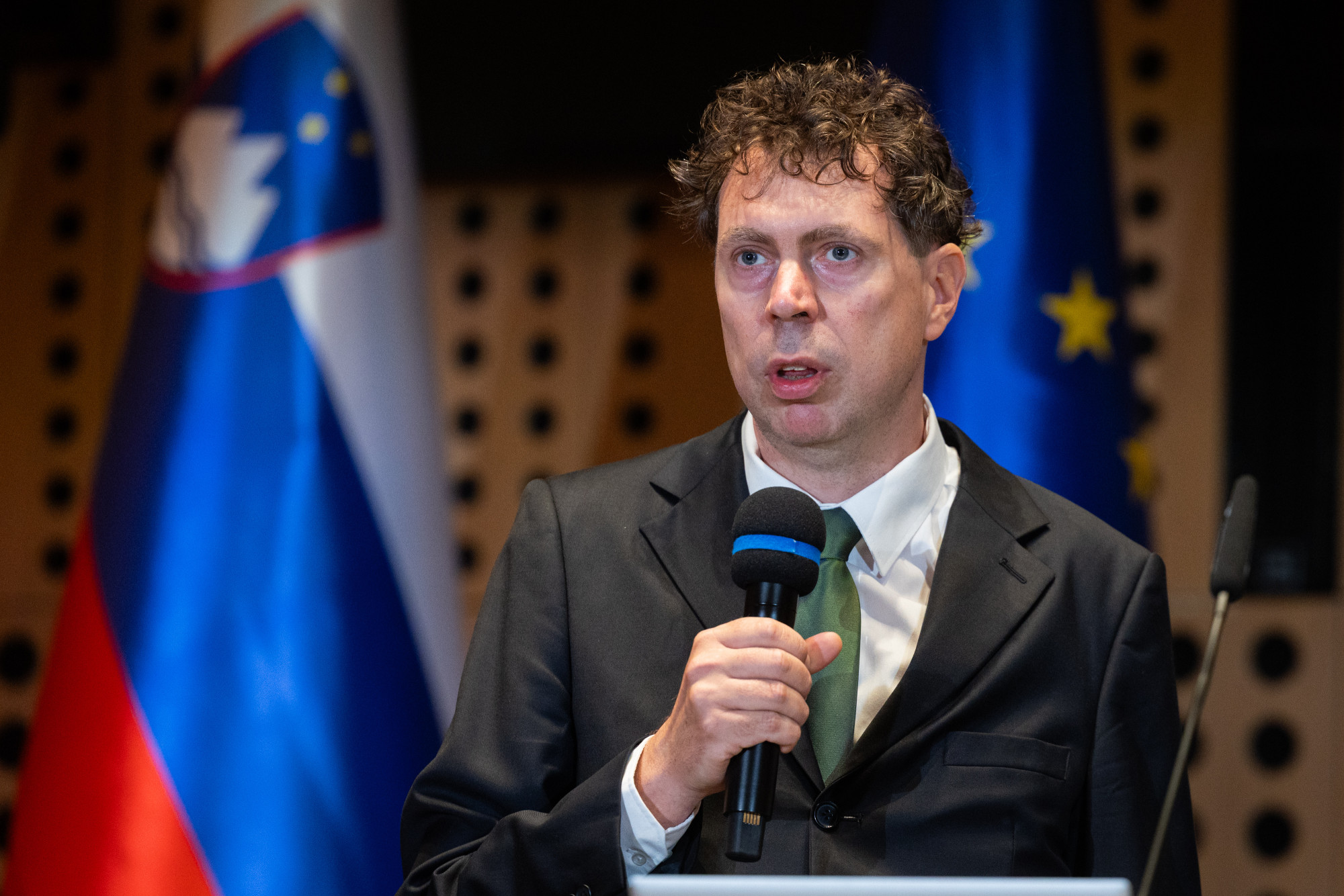
Dr Tomaž Grušovnik | Author Bor Slana / STA
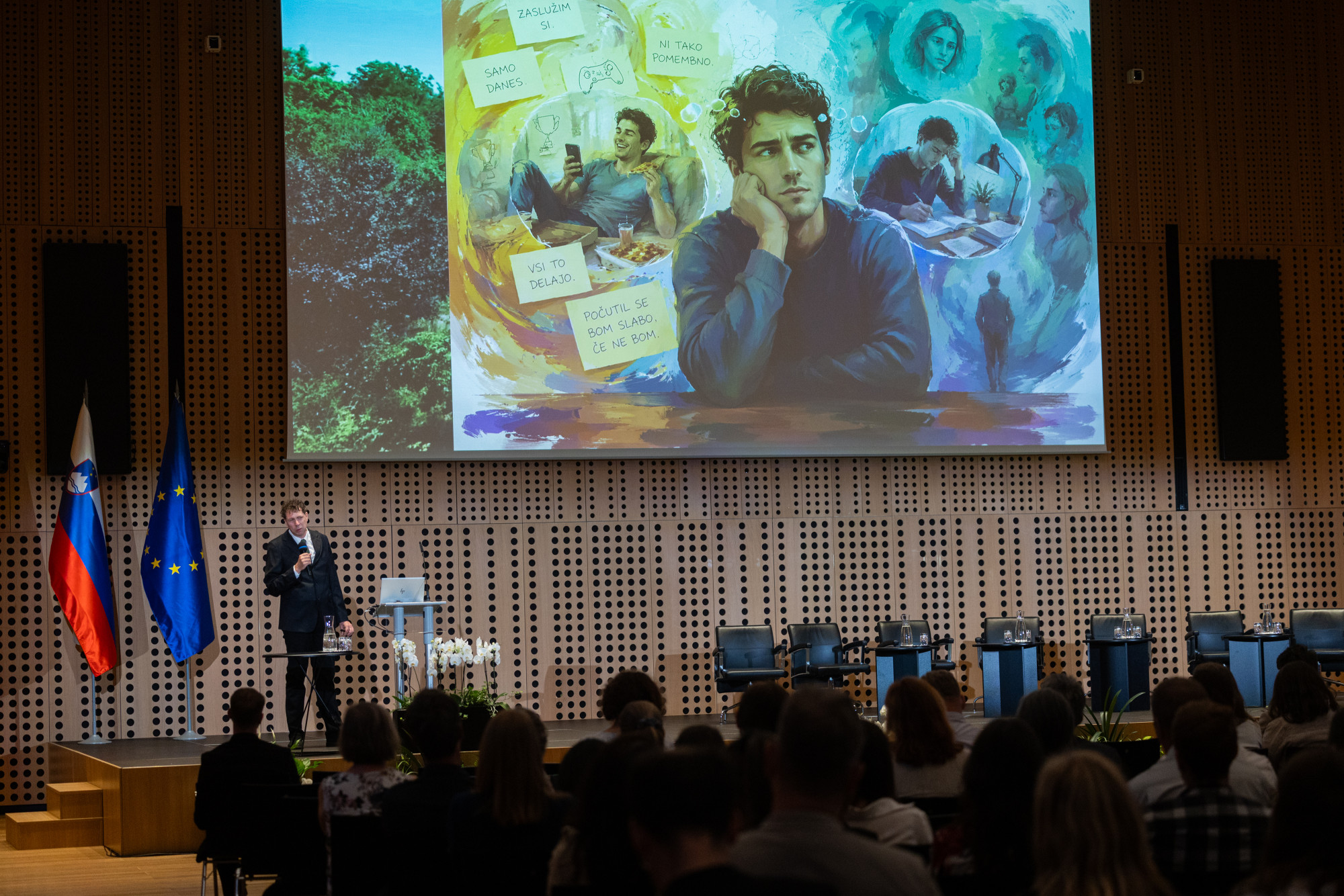
Relationship with nature as connection to all living beings
The main guest of the event, Tomaž Grušovnik, Dean and a lecturer at the Faculty of Education of the University of Primorska, demonstrated during his lecture that environmental education is not simply a transfer of knowledge about nature, but rather something that impacts the very foundations of an individual's existence, their habits and values. This is exactly why it is frequently met with resistance: humans tend to avoid knowledge when it threatens to disrupt the established ways of living. The true challenge of environmental education therefore is not to know more, but to be willing to live differently.
The human relationship with nature is not purely rational, but also deeply emotional and existential. Fromm's idea of biophilia as love of life indicates that we have an inner tendence toward connection with all that is alive.
Tomaž Grušovnik
Modern society often shapes us towards practices that lead to tensions with environmental values, but are also part of our identity. For this reason, environmental education cannot be based solely on moral appeals; it must create experiences and opportunities for reflection, which enable us to gradually change the way we live. Only then can we bridge the gap between what we recognise as valuable and the actions we actually take.
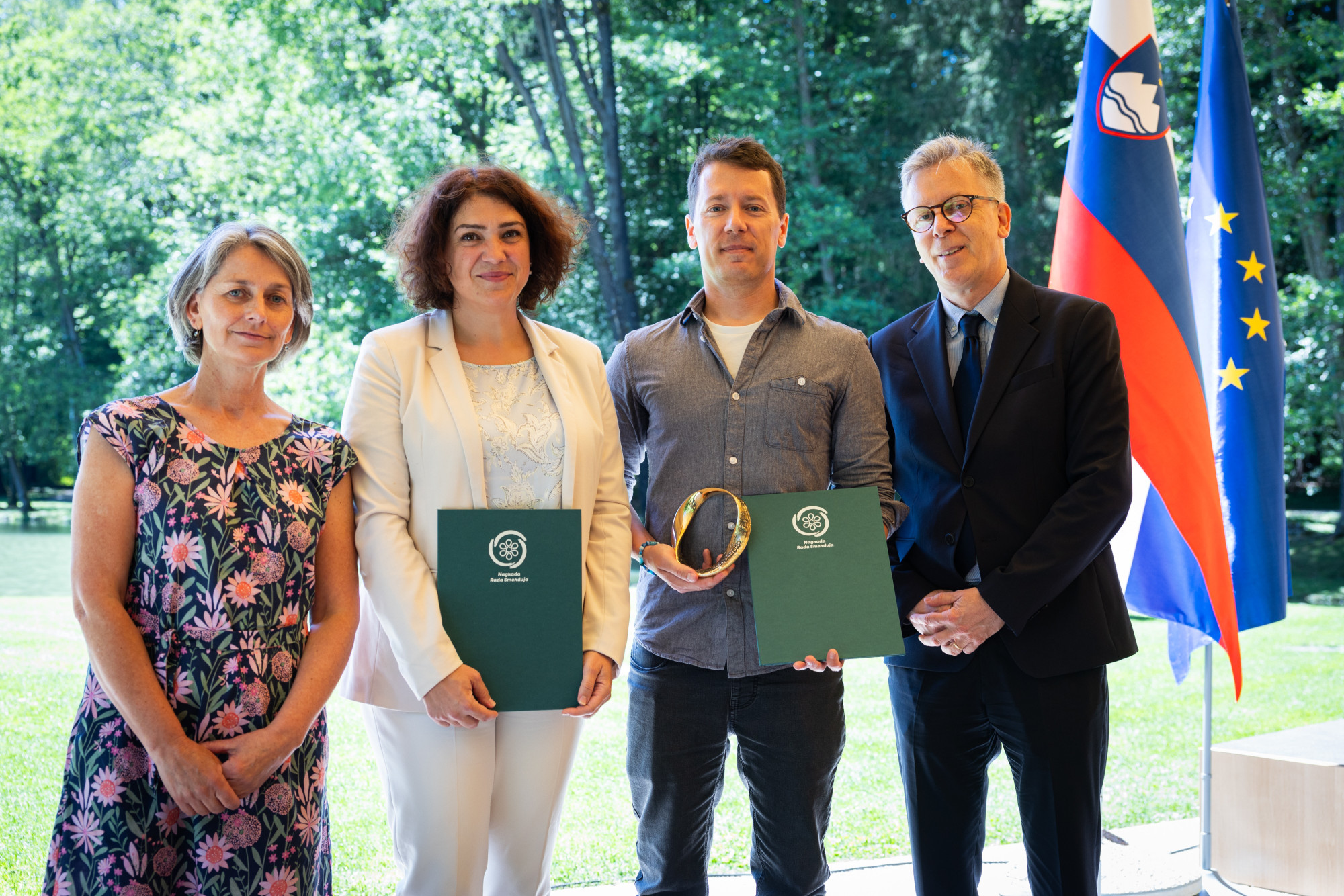
Katarina Groznik Zeiler, Polona Kovačič, Director of the Škocjan Caves Park, Tilen Genov, President of the Morigenos society, Peter Lovšin, State Secretary | Author Bor Slana / STA
Morigenos society receives Rado Smerdu Award
The Rado Smerdu Award (in Slovenian) is a recognition of efforts that significantly contribute to the development of nature conservation as a professional field and to the conservation of nature in Slovenia. It is a tribute to expertise, perseverance, responsibility, and commitment – values without which nature conservation is unimaginable.
In his awards ceremony speech, State Secretary Peter Lovšin from the Ministry of the Environment and Spatial Planning, highlighted that the award expresses our respect for individuals, organisations, and groups, who, through their work, knowledge, research, commitment, and perseverance significantly contribute to preserving Slovenia's natural heritage. "Achievements in the field of nature protection are never results of a single individual or institution. It is the outcome of cooperation, expertise, trust, and years of commitment to a common goal," stressed Lovšin.
Morigenos has elevated the paradigm of Slovenia as a maritime country to a whole new level. Through the civil society activities of this year's award recipient, including outstanding scientific and professional work, education, the promotion of citizen science, and the strengthening of active citizenship, Slovenia is stepping onto the highest civilizational tier of a maritime nation, one that respects, researches, and protects its marine ecosystems.
The Nature Conservation Awards Committee of the Republic of Slovenia
The recipient of the award is Morigenos – the Slovenian Marine Mammal Society. The award committee also noted in its reasoning that Morigenos was the first to establish regular, science-based monitoring of dolphins in Slovenia, and has carried it out uninterrupted for 25 years. Through long-term monitoring of the dolphin population in Slovenian waters and through its research methods – such as vessel-based observations, photo-identification, genetic and toxicological research and acoustic analyses – the society has provided key insights into the dolphin population in the Gulf of Trieste. This population is now considered to be one of the most thoroughly studied in the Mediterranean. The society has also developed a new method for identifying common bottlenose dolphins based on their facial features, enabling more accurate identification of individual animals, population monitoring, and a better understanding of their ecology and social structure.
A special commendation for its contribution to nature conservation was awarded to the Škocjan Caves Park Public Service Agency, which has managed the Škocjan Caves Regional Park for 30 years. The agency carries out the mission of conserving and researching this world-renowned protected area, its exceptional geomorphological, geological, and hydrological features, its rare and endangered species of flora and fauna, and its cultural heritage.
Through carefully planned and professionally coordinated management measures, the Škocjan Caves Park has set high standards for the protection and conservation of a protected area of world heritage status and has become a model for other managers both in Slovenia and abroad. The management measures include well-considered infrastructure renovation, visitor‑access limitations within the cave, and a number of measures on the surface – establishment of karst grasslands, the restoration of ponds (kali) and dry-stone walls.
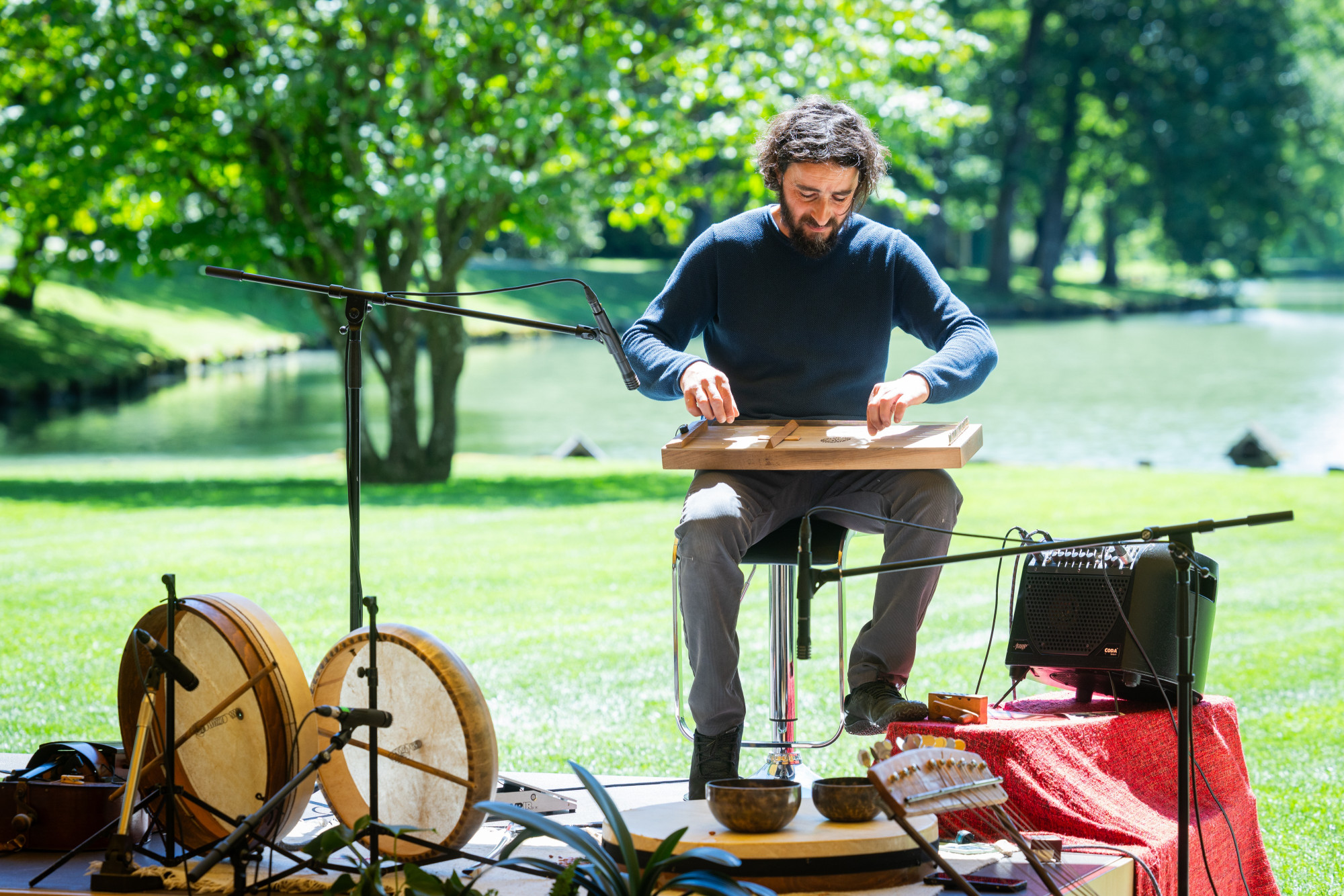
The award ceremony was accompanied by the music of multi-instrumentalist Samo Kutin, who performs as a soloist and with many ensembles, including the internationally recognised group Širom. Renowned for his use of unconventional and homemade instruments and sound objects, he performed a variety of pieces, including one on a lyre crafted from 6,500-year-old fir wood excavated in Čadrg, Triglav National Park, years ago.