

General Affairs Council focuses on preparations for the European Council and the Multiannual Financial Framework
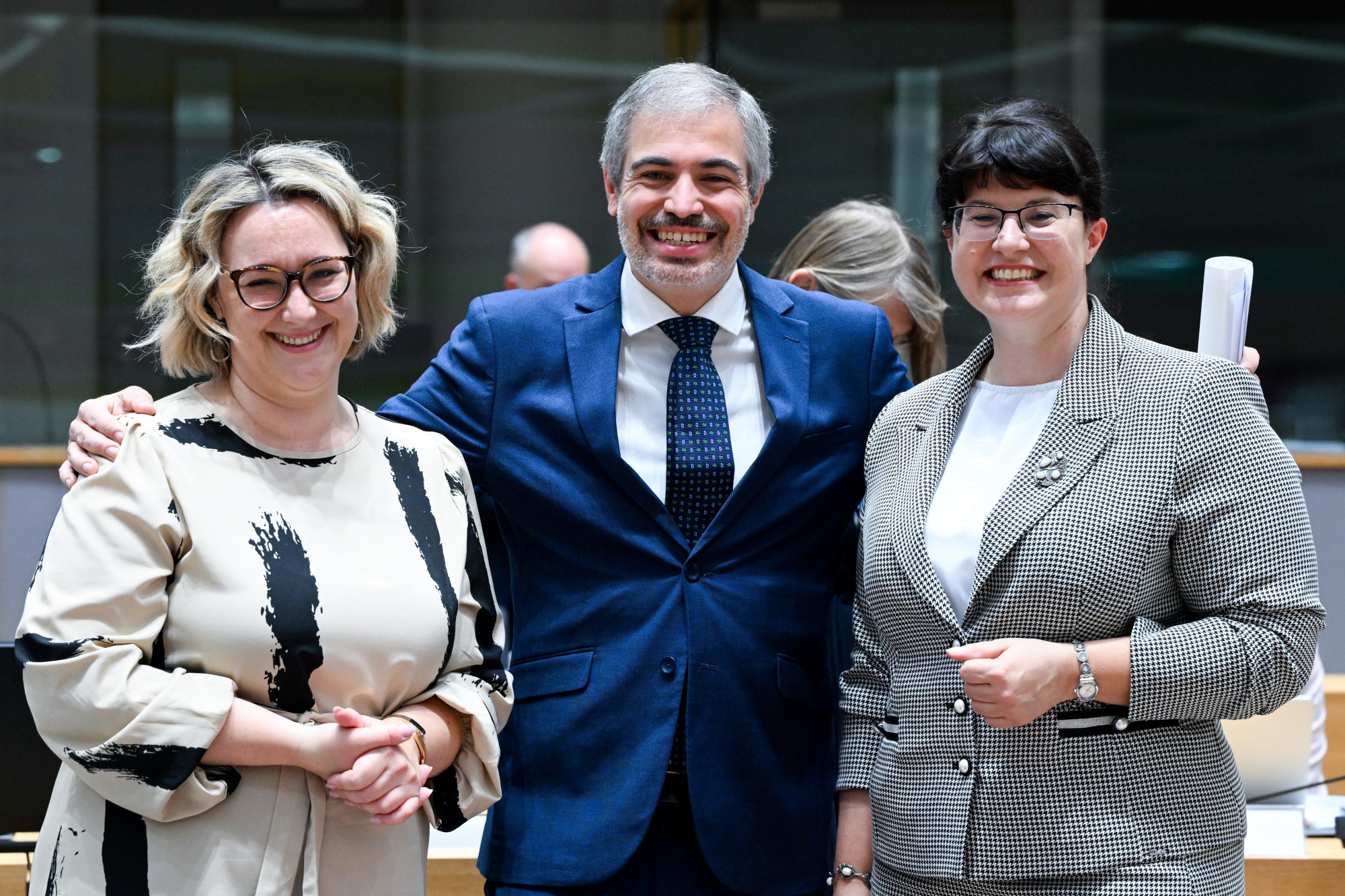
State Secretary Grašič at the General Affairs Council. | Author EU
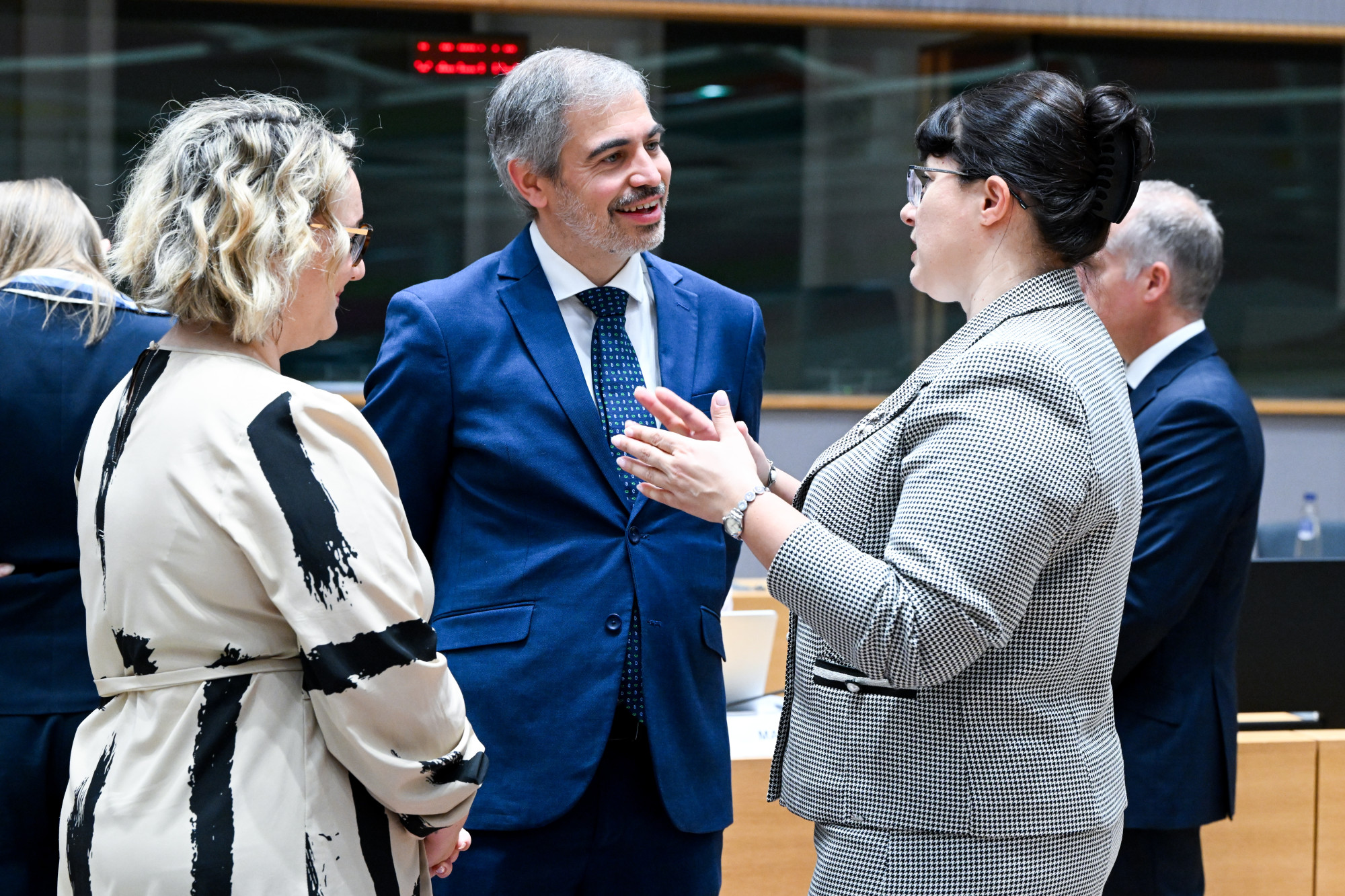
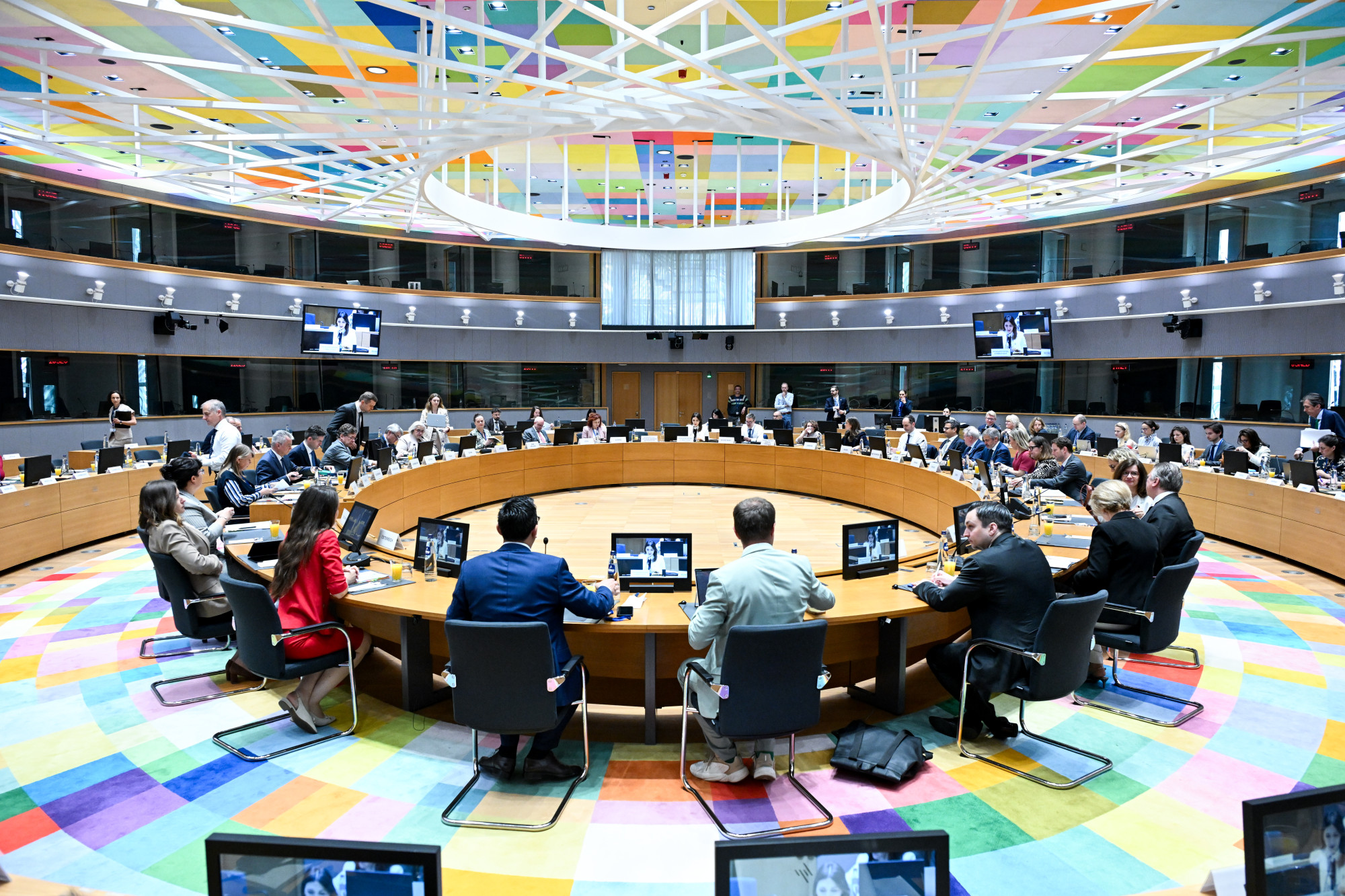
Discussions at the European Council meeting on 18–19 June will once again focus on the situation in Ukraine and the Middle East and global economic challenges. Leaders will also discuss European security and defence, as well as migration.
State Secretary Grašič emphasised the importance of a unified European response to Russian aggression and the EU’s comprehensive support for Ukraine, including by maintaining pressure on Russia. The next steps in the enlargement process, particularly the decision to open negotiation clusters, will be pivotal for both Ukraine and Moldova. With regard to tensions in the Middle East, she emphasised the importance of respecting the ceasefire and continuing diplomatic efforts to find a comprehensive solution that ensures freedom of navigation and maritime security in the Strait of Hormuz. Against the backdrop of the geoeconomic implications of the conflict, it is crucial that leaders address the urgent need to strengthen the EU’s competitiveness and strategic autonomy, and to tackle global macroeconomic imbalances. State Secretary Grašič advocated an ambitious timeline to ensure that an agreement on the new Multiannual Financial Framework (MFF) 2028–2034 is reached on time. This will be the first time that leaders hold their discussions based on a negotiating framework with indicative figures. Slovenia believes in striking a balance between ambitious budgets that enable funding for responses to new challenges, and robust funding for traditional cohesion policies and the Common Agricultural Policy.
During the discussion on the MFF, ministers and state secretaries responsible for European affairs focused on its relation to the internal market. State Secretary Grašič emphasised that if the MFF is properly designed, it can play a key role in removing barriers to the internal market and stimulating growth and potential. In this regard, she observed that traditional policies, such as the Cohesion Policy and the Common Agricultural Policy, also promote competitiveness and the functioning of the internal market. Therefore, it is necessary to ensure that the national allocations under these policies are sufficiently high. In a joint statement, Slovenia and 16 other Friends of Cohesion EU Member States called for an increase in these funds. They also endorsed the inclusive nature of the European Competitiveness Fund (ECF) and the need to move away from the rebate system for certain Member States. State Secretary Grašič emphasised the importance of reinforcing the ECF’s pan-European dimension. This would create a level playing field for stakeholders from all EU Member States, regardless of their size or the maturity of their research and innovation environment, and boost the EU's overall competitiveness. She also expressed Slovenia’s opposition to the proposed reduction in funds retained from collected customs duties, as this could negatively impact the protection of the EU’s external borders.
Ahead of the upcoming EU-UK summit, the Council reviewed the current state of EU-UK relations. Given the challenging geopolitical environment, State Secretary Grašič welcomed the new momentum in relations. However, she added that the consistent implementation of existing agreements is key to building trust and further deepening cooperation with this important strategic partner.
As part of its regular rule of law dialogue, the Council held a country-specific discussion, this time focusing on the situation in France, Croatia, Italy and Latvia. Member States welcomed the regular exchange of views and experiences, as set out in the European Commission’s 2025 report.
On the sidelines of the Council meeting, an informal breakfast was held for the Ministers for the Future group where Glenn Micallef, the European Commissioner for Intergenerational Fairness, Youth, Culture and Sport, presented an outline of this year’s Strategic Foresight Report and a strategy on intergenerational justice.
Furthermore, State Secretary Grašič addressed the eight Accession Conference with Albania on behalf of several EU Member States. She highlighted the positive momentum in the enlargement process, given that Albania has met the interim benchmarks for the so-called fundamentals cluster. She also encouraged the candidate country to continue its efforts.