

State Secretary Heferle Highlights Fight Against Irregular Migration and Drug Trafficking in the Mediterranean
- Ministry of the Interior
Amid escalating tensions and regional instability, Slovenia remains firmly committed to closer cooperation to foster a secure and resilient Mediterranean. Speaking during the panel discussion, State Secretary Heferle highlighted the upcoming implementation of the Pact on Migration and Asylum, set for 12 June 2026, emphasising that the initial phase of migrant processing is critical to a sustainable and fair system. 'In addition to screening and registration, the effective execution of border procedures will be essential. We must ensure the rigorous application of the Eurodac system, particularly through the immediate and timely entry of data. This must also apply to individuals disembarked following search and rescue operations at sea. Only through such consistency can we guarantee the system’s efficiency and mitigate the risk of secondary movements,' Heferle stated.
The State Secretary also stressed that a comprehensive migration policy requires stronger operational cooperation with partner countries to combat migrant smuggling. She advocated for integrating the return of individuals who do not qualify for EU residency into broader, comprehensive partnerships. 'We must utilise all available leverage to ensure compliance with international legal readmission obligations, and we expect greater unity among EU member states on this front. Financial support to third countries should be strategically linked to their cooperation in migration management, with the EU maintaining clear conditionality and consistency in the deployment of its instruments,' she added.
The participating ministers agreed that strict implementation of the Migration Pact from day one is vital to its credibility. They emphasized that the launch of the Eurodac system and its interoperability with other information systems, an effective return system, and close cooperation with countries of origin and transit will be key to the successful implementation of the Pact.
Addressing the panel on drug trafficking, Heferle described narcotics smuggling as a dynamic security threat impacting society as a whole. 'Our actions must target the most high-risk organised crime networks and enhance mutual cooperation, as this is the only way to successfully counter this pervasive threat,' noted the State Secretary. To illustrate effective domestic measures, Heferle highlighted that the Slovenian police have been strengthening partnerships at the country's sole international commercial port in Koper. By collaborating closely with customs, port authorities, freight forwarders, logistics companies, and private port security, Slovenia has significantly improved risk analysis and boosted security measures across the port zone.
'Organised crime in the Mediterranean poses a major threat to the internal security of all surrounding countries. To fight this effectively, we need robust operational ties between police forces and timely information sharing. Slovenia fully supports the security initiatives under the Pact for the Mediterranean, particularly the establishment of a regional dialogue on internal security. We are confident this will substantially improve our collective understanding of and response to shared security challenges,' Heferle emphasised.
Ministers noted that the vast majority of illicit drugs enter the EU via maritime routes. Smugglers adapt rapidly, employing advanced technology and transport methods that are difficult to monitor. Acknowledging that drug trafficking is a complex, global challenge, the ministers called for increased vigilance at smaller ports and across varied cargo types, noting that narcotics are no longer concealed solely in standard shipping containers. The summit concluded with a consensus that dismantling these networks requires a multidisciplinary approach, utilising the analytical platforms and communication channels provided by EU agencies. This includes close coordination between police, judiciary, customs, and financial authorities. The ministers also emphasized the importance of the external dimension in combating illicit drugs, including cooperation with countries of origin and transit, as criminal organisations exploit international networks, using production labs and storage hubs across different continents.
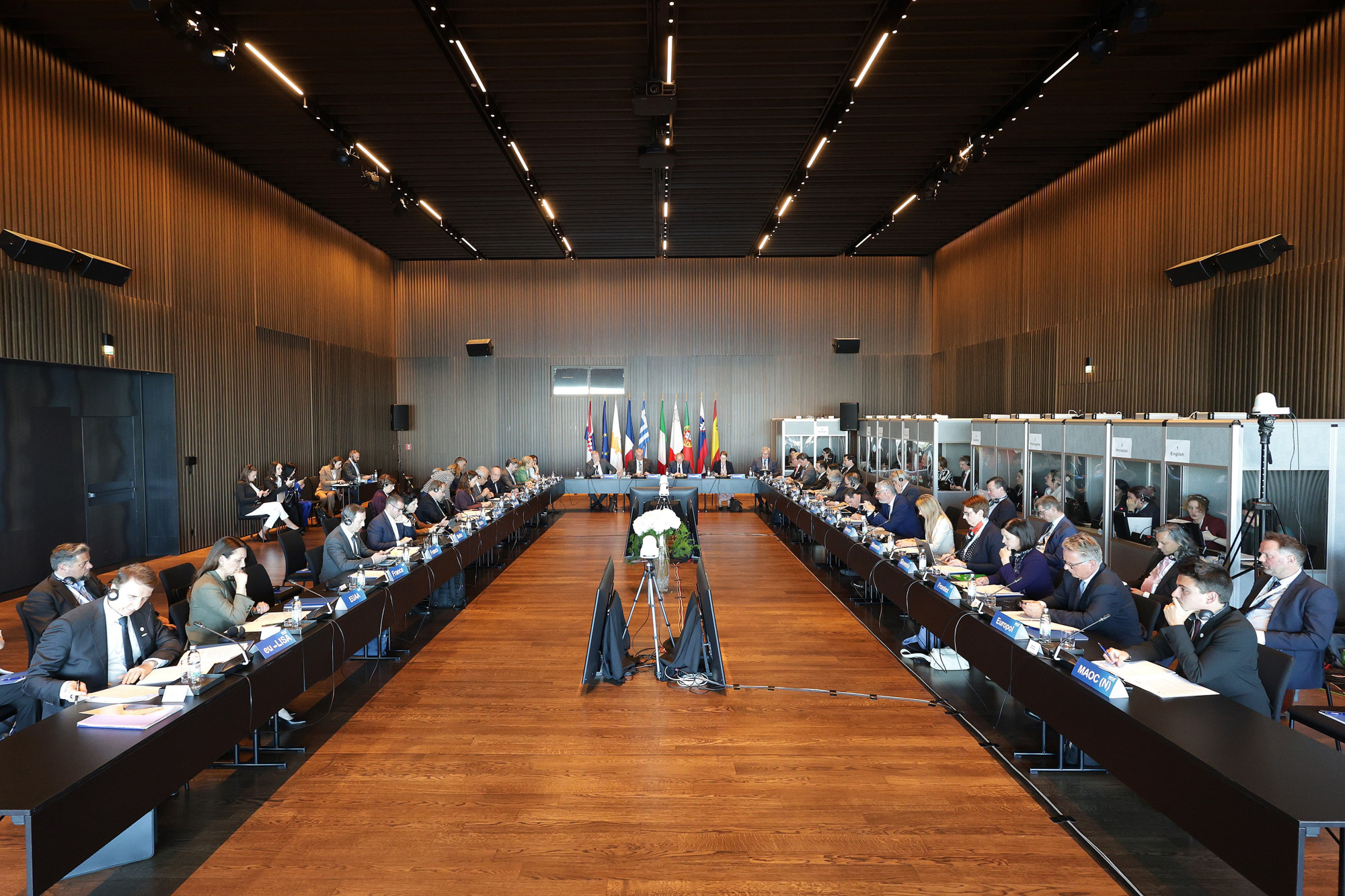
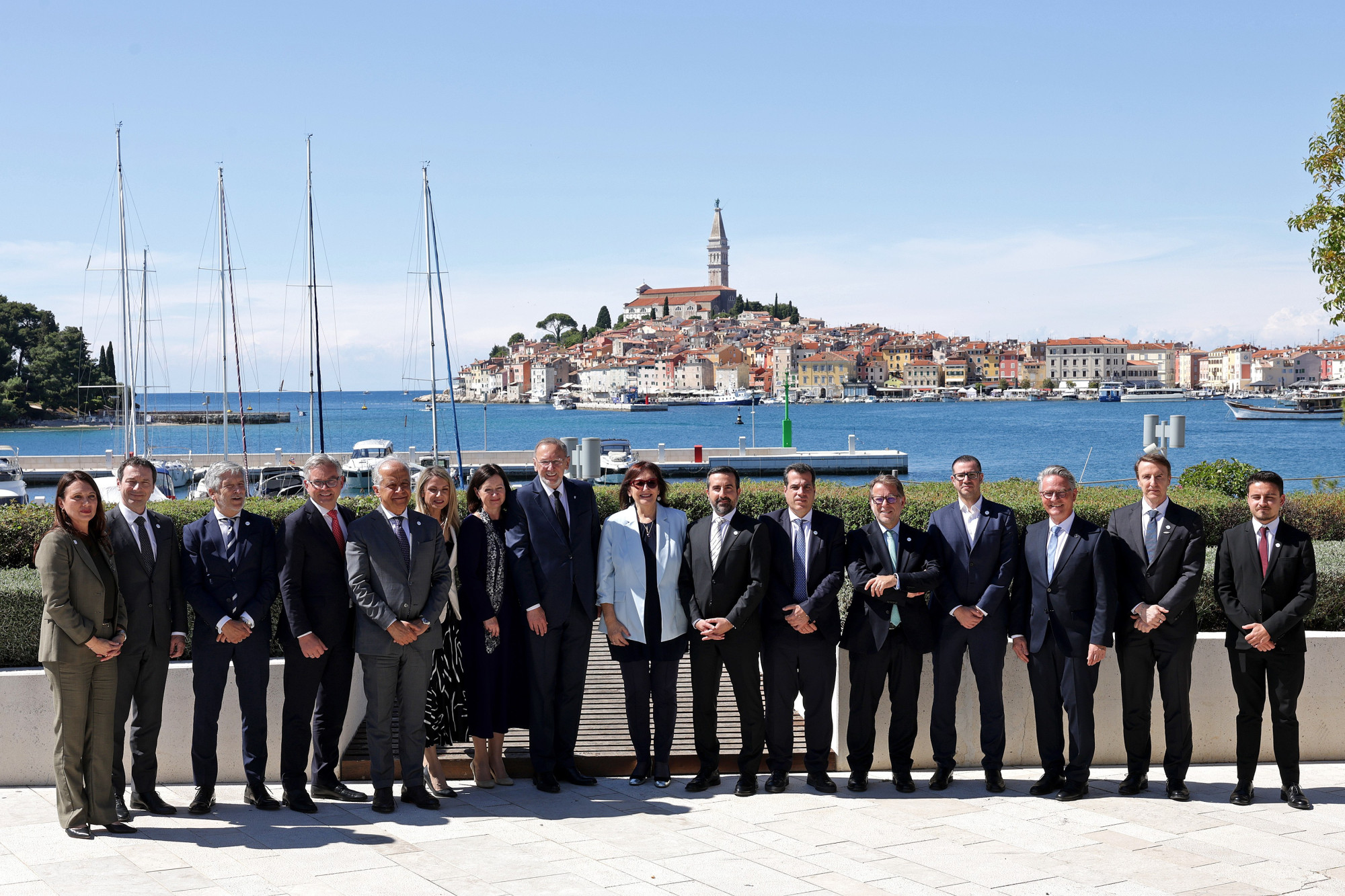
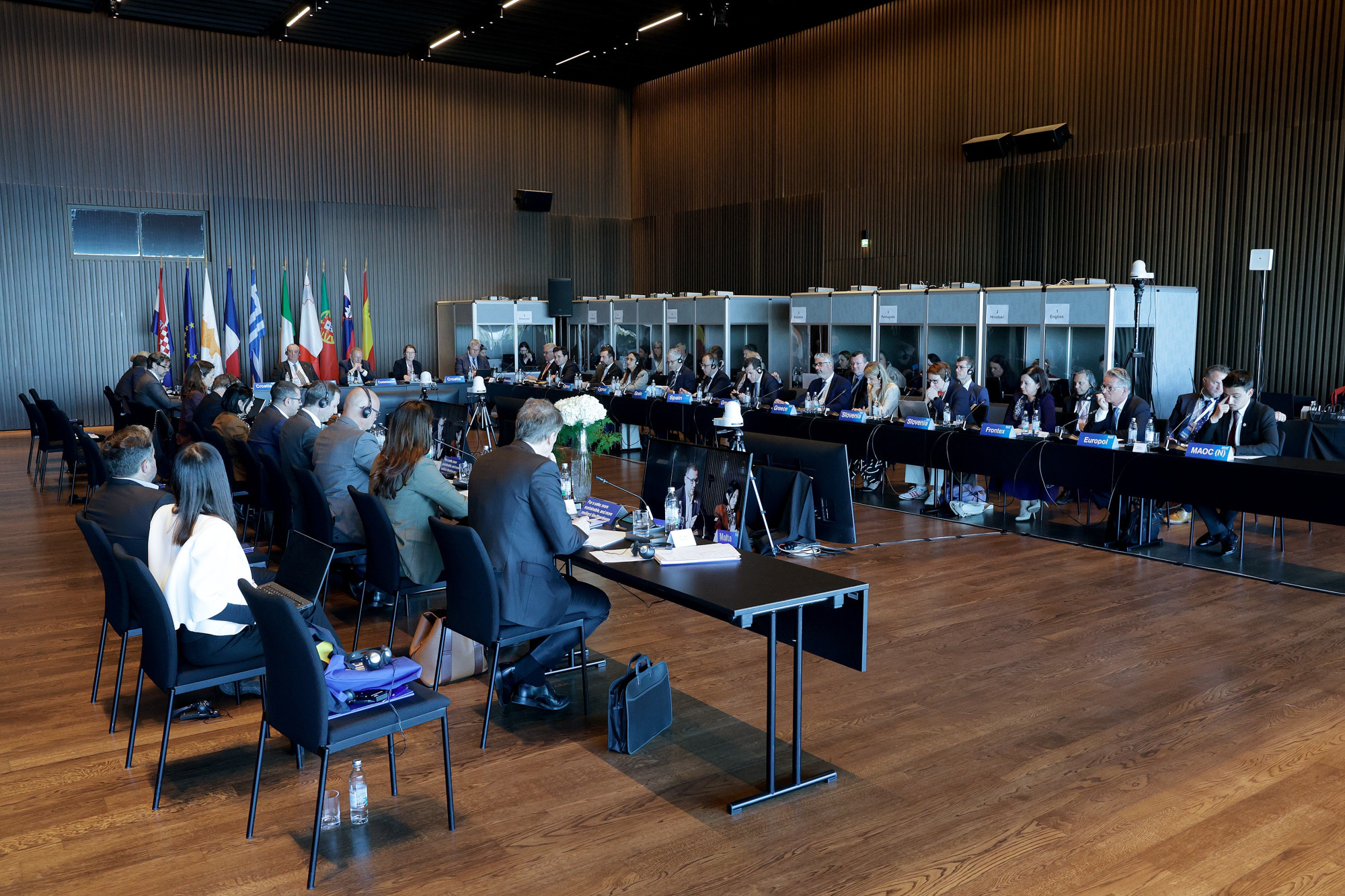
At the conclusion of the meeting in Rovinj, the ministers of the interior adopted a joint declaration, binding the member states to coordinated and unified action.
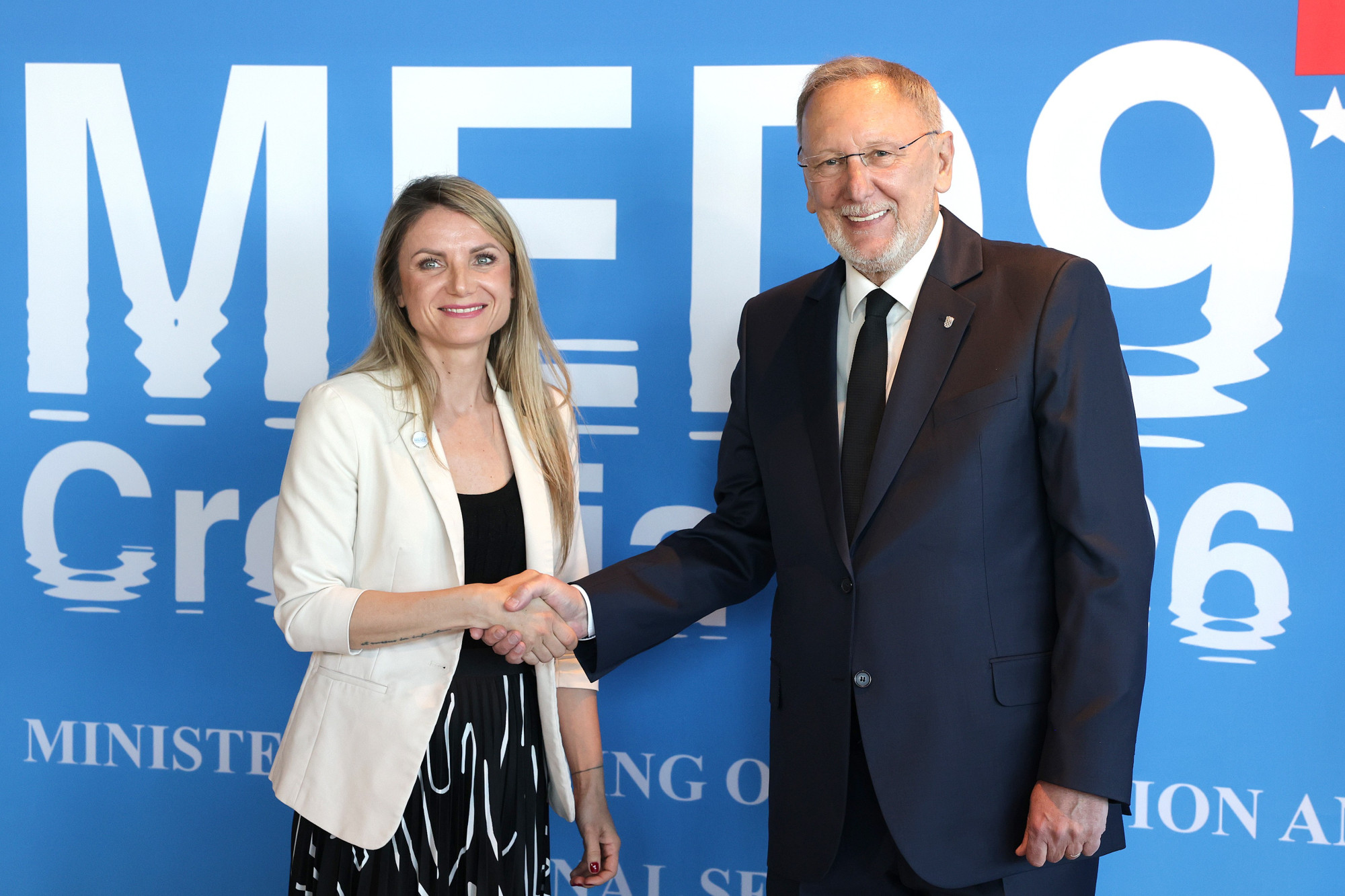
State Secretary Tina Heferle and Croatian Minister of the Interior Davor Božinović | Author Ministrstvo za notranje zadeve Republike Hrvaške
Background information
The MED9 group consists of the Mediterranean member states of the European Union: Cyprus, France, Greece, Croatia, Italy, Malta, Portugal, Slovenia, and Spain. The alliance aims to foster closer coordination on EU-wide issues, as well as policies and initiatives specific to the Mediterranean region. Slovenia became a member of MED9 in 2021 and held the group's presidency in 2025.