

Minister Fajon in Luxembourg: The EU must speak out against Israel’s human rights violations
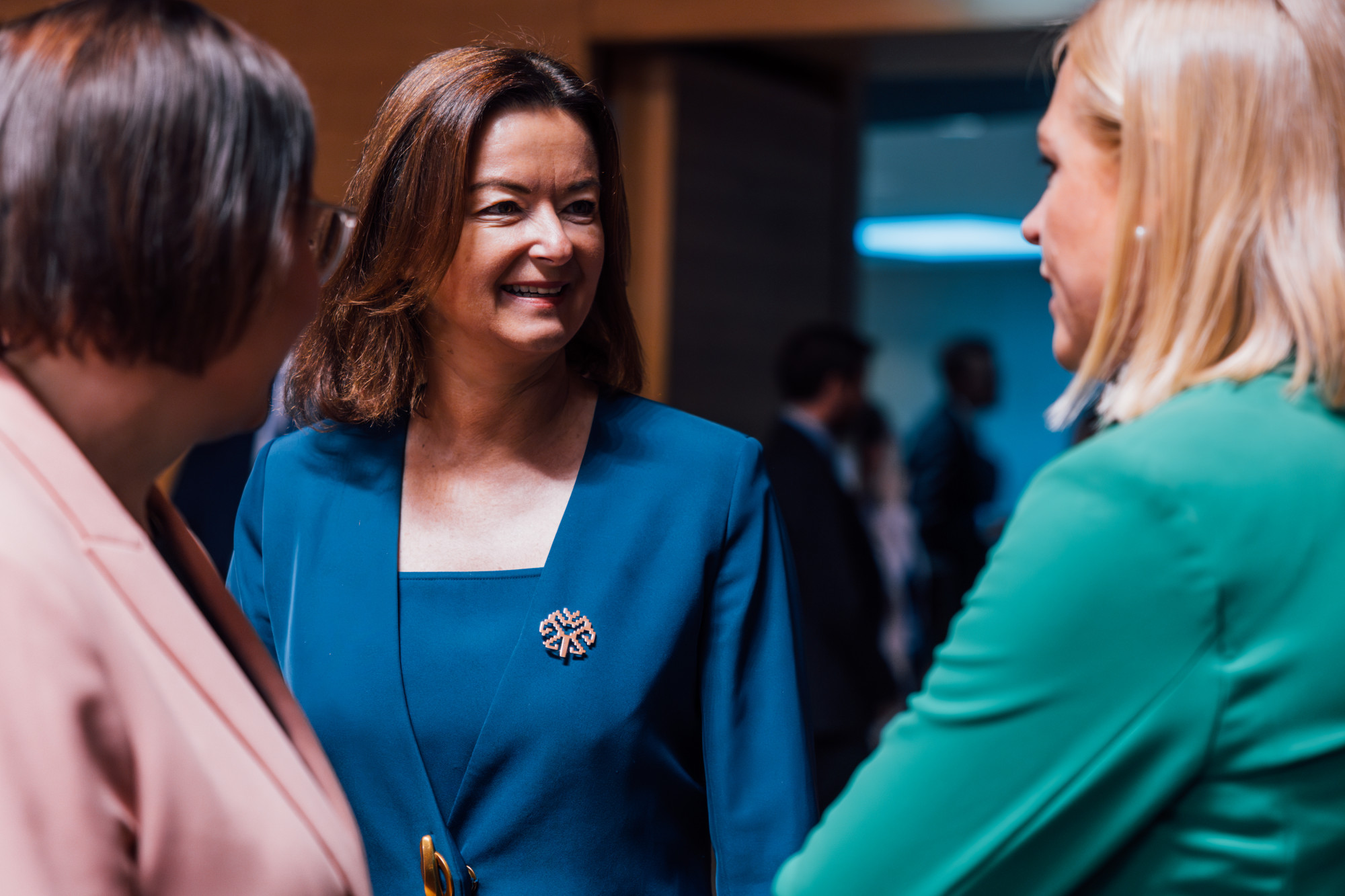
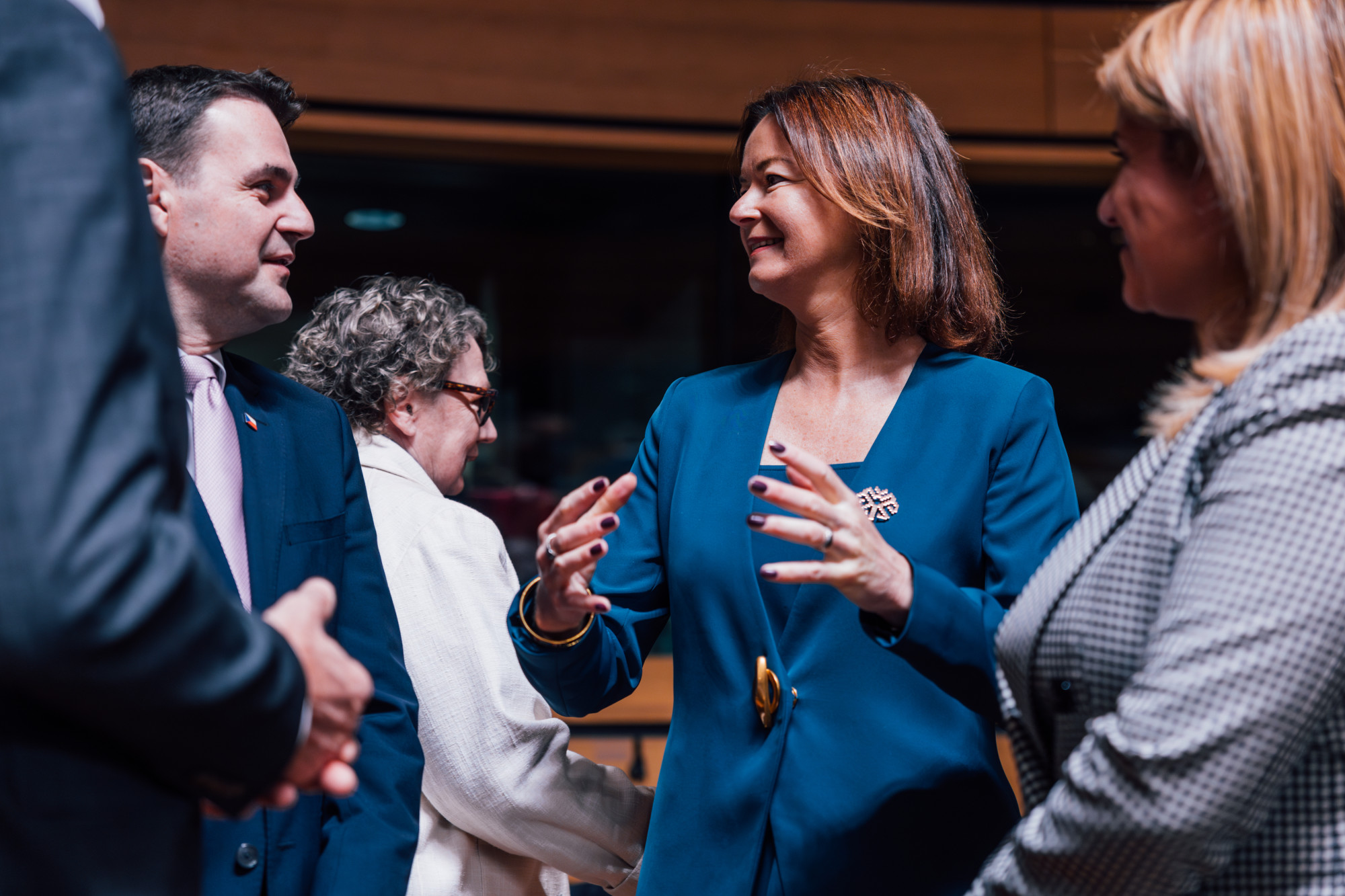
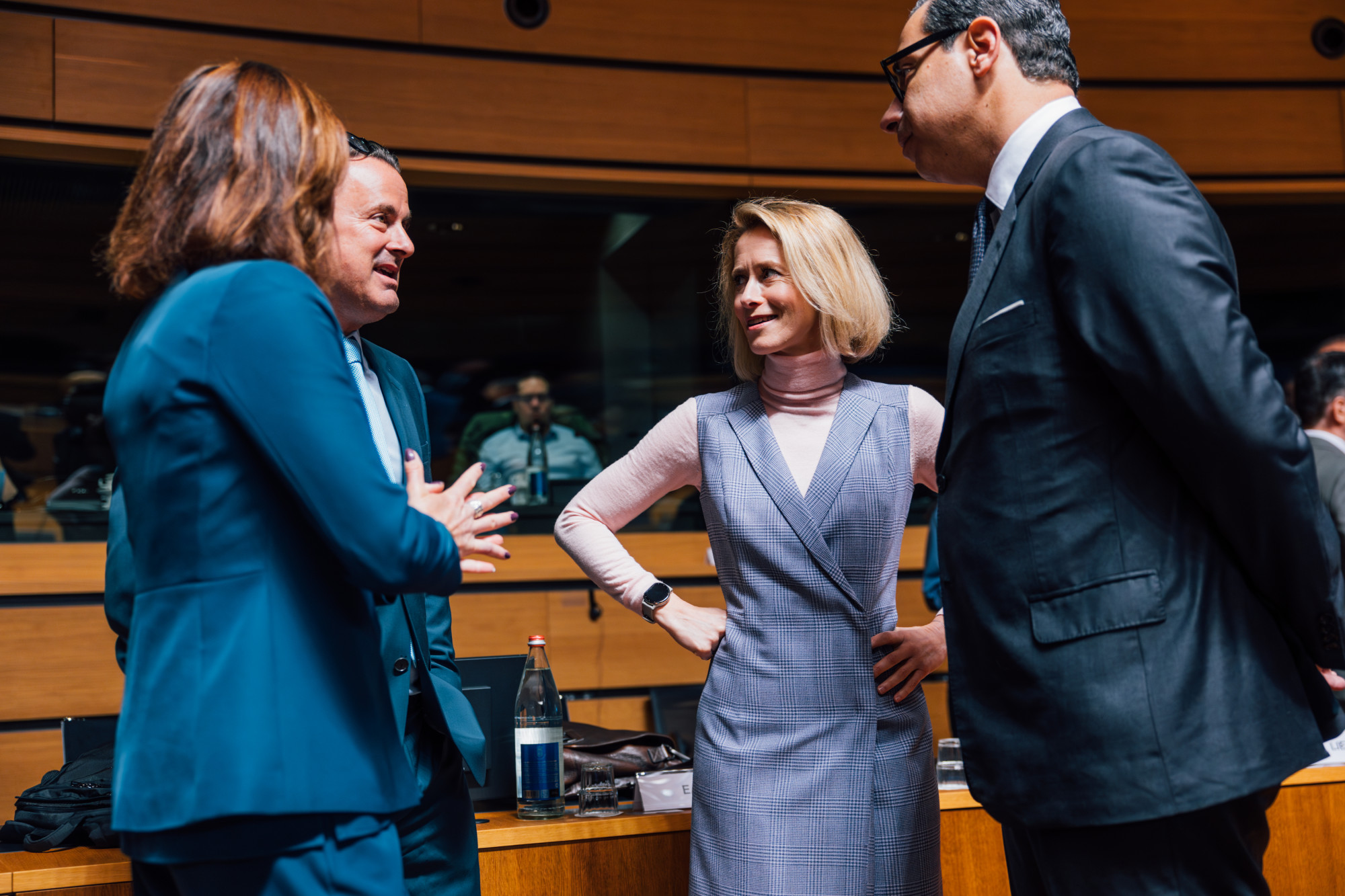
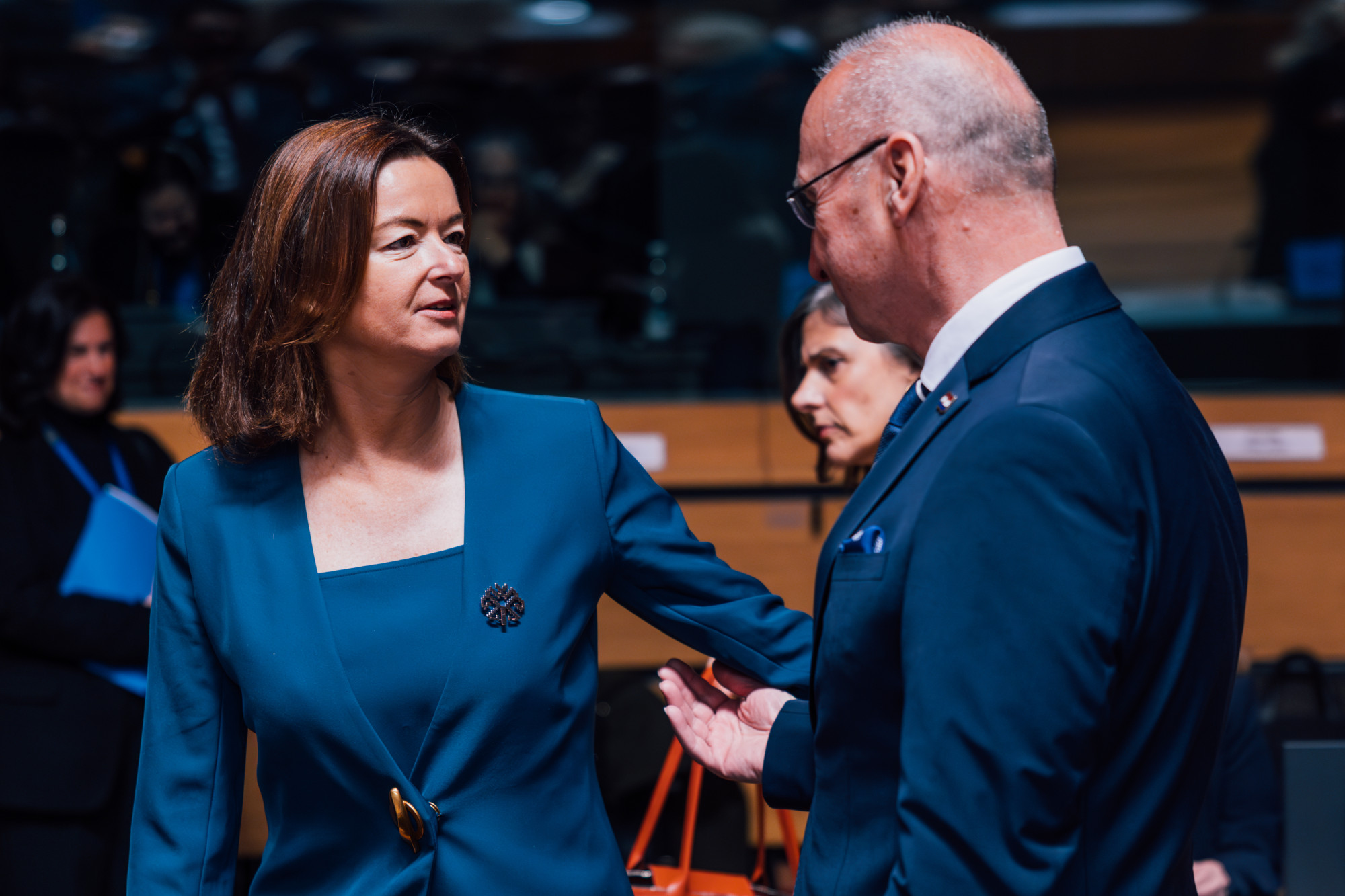
Minister Tanja Fajon at the EU Foreign Affairs Council | Author Ministry of Foreign and European Affairs
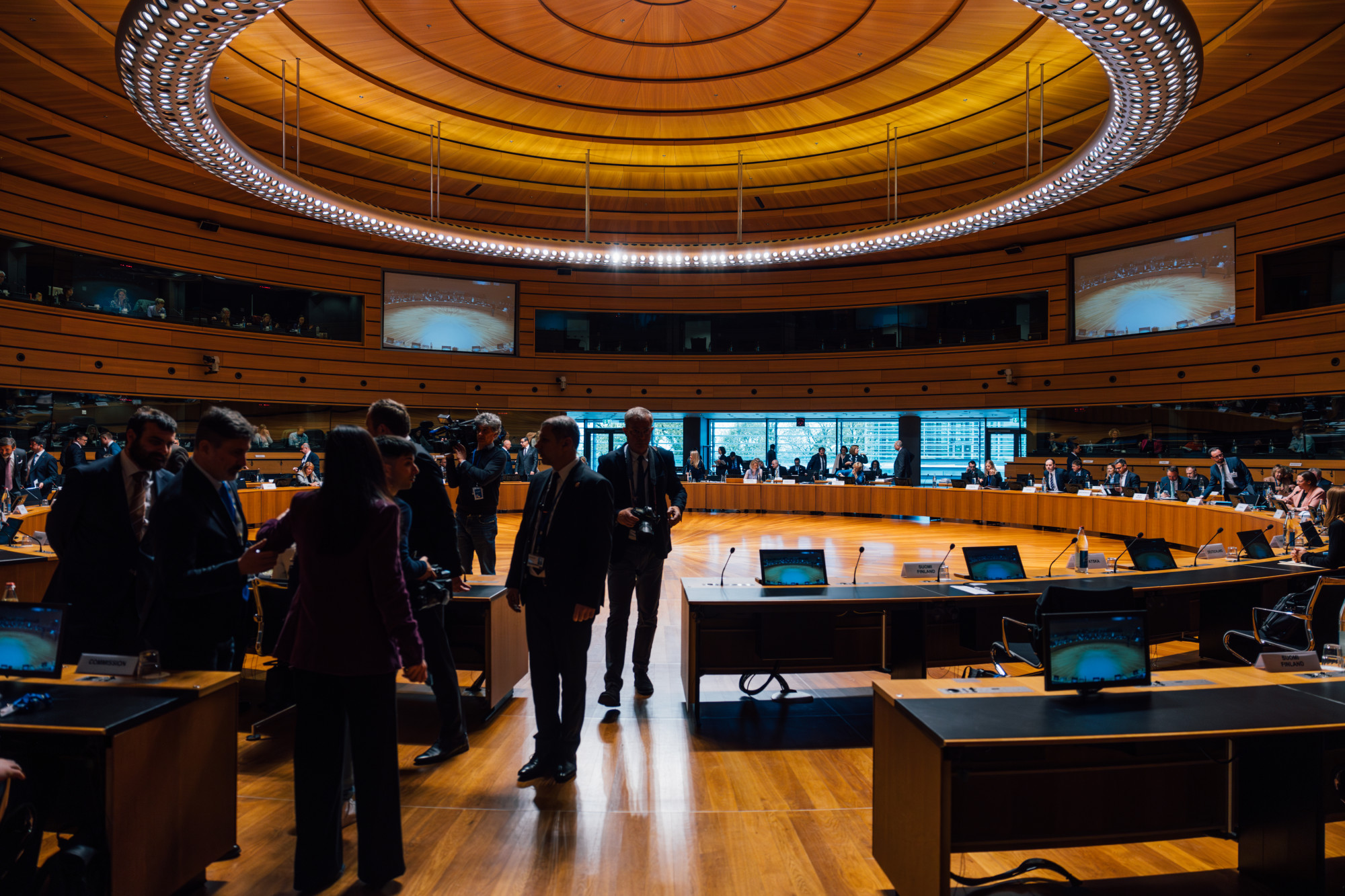
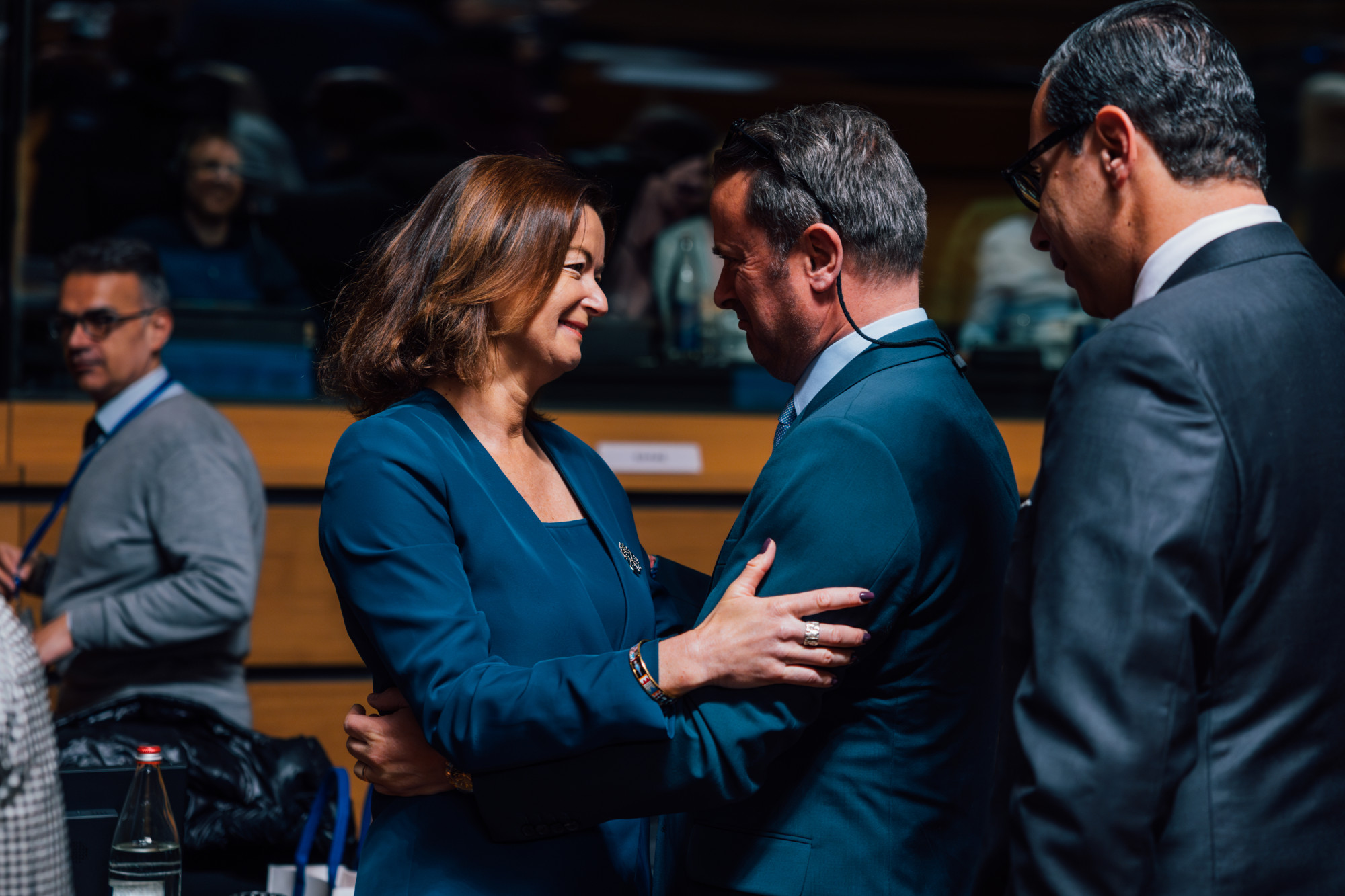
We must not forget the situation in Gaza and the West Bank
During the discussion on the Middle East, Minister Fajon recalled the joint initiative of the foreign ministers of Slovenia, Ireland and Spain, who called for EU action against Israel: “The European Union must uphold its moral and political responsibility and defend the very core values that have underpinned our European project since its foundation. This means that the EU can no longer remain silent while Israel continues to violate human rights and international law. It is time for the EU to consider suspending the EU–Israel Association Agreement.” Condemning the continued Israeli attacks on civilians in Gaza and the expansion of illegal settlements in the West Bank, she added: “We must not allow the situation in the broader Middle East region, which is changing almost by the hour, to divert our attention from Gaza and the West Bank, where the reality remains catastrophic despite the fragile ceasefire.”
Regarding Iran, Minister Fajon urged all parties to continue diplomatic talks that would result in a lasting peace agreement. She also advocated for the freedom of navigation through the Strait of Hormuz.
During an informal discussion on Lebanon, ministers were joined by Lebanese Prime Minister Nawaf Salam, who provided an update on the situation on the ground. Expressing support and solidarity with Lebanon, Minister Fajon stated: “Slovenia welcomes direct talks between Lebanon and Israel, as well as the announced ceasefire. Israel and Hezbollah must both stop fighting and respect the ceasefire. We sincerely hope that this step will put an end to the suffering of civilians and pave the way for negotiations leading to a long-term solution.” She emphasised the importance of respecting Lebanon’s sovereignty and territorial integrity, announcing that Slovenia would provide the country over one million euros in humanitarian aid in 2026.
We must increase our support for Ukraine and put more pressure on Russia
Once again, efforts to achieve a lasting and just peace in Ukraine were the main focus of the meeting. Minister Fajon advocated continued efforts by the United States, Ukraine and European countries to achieve peace, as well as the strengthening of the EU’s role in peace negotiations. Slovenia is also part of a broader group of countries that continue to provide Ukraine with political, military, financial and other support.
Minister Fajon stated that the EU must maintain its two-pronged approach of supporting Ukraine while putting pressure on Russia. Above all, she expressed hope for the swift release of the loan to support Ukraine and the adoption of the 20th package of sanctions against Russia. She also expressed support for the fourth pillar of security guarantees for Ukraine, shared stability, as presented by Kaja Kalas, the High Representative of the Union for Foreign Affairs and Security Policy. “Although the end of the war is not in sight, we must help Ukraine ensure internal stability and mitigate the risks arising from social tensions, organised crime and the proliferation of weapons,” Minister Fajon added.
In this context, she drew particular attention to war veterans: “Recognising the importance of rehabilitation and reintegration, Slovenia provides psychosocial and medical rehabilitation to war victims, including veterans, and supports their reintegration through humanitarian demining training.”
Minister Fajon emphasised the importance of raising global awareness in order to curb Russian influence in third countries. She also welcomed the planned meeting of the international coalition for the return of abducted Ukrainian children, which is scheduled to take place during the Council’s May session.
Sudan, the South Caucasus and other decisions adopted by the EU Council
Ministers concluded the meeting by adopting a joint statement on Sudan. Unfortunately, three years after the outbreak of war, fighting continues and the country is experiencing the world's worst humanitarian crisis. Slovenia condemns all acts of brutal and indiscriminate violence against civilians and all systematic violations of international humanitarian law, including the recent attack on a hospital in al-Daein in East Darfur. Sustained efforts and increased pressure on all parties are essential in order to achieve a ceasefire, ensure humanitarian access, protect civilians and hold perpetrators accountable for their crimes.
The agenda included an update on the situation in the South Caucasus (Armenia, Azerbaijan and Georgia), focusing on the Armenia–Azerbaijan peace process, support for Armenia and preparations for the first EU–Armenia summit in May. It also covered EU–Azerbaijan relations.
Ministers adopted a Council decision to establish a civilian EU Partnership Mission (EUPM Armenia), tasked with the strengthening of the country's resilience to hybrid threats.
The Council also approved conclusions on climate and energy diplomacy.