

Natural heritage in Slovenia is recognised, protected and professionally managed
- Ministry of Natural Resources and Spatial Planning
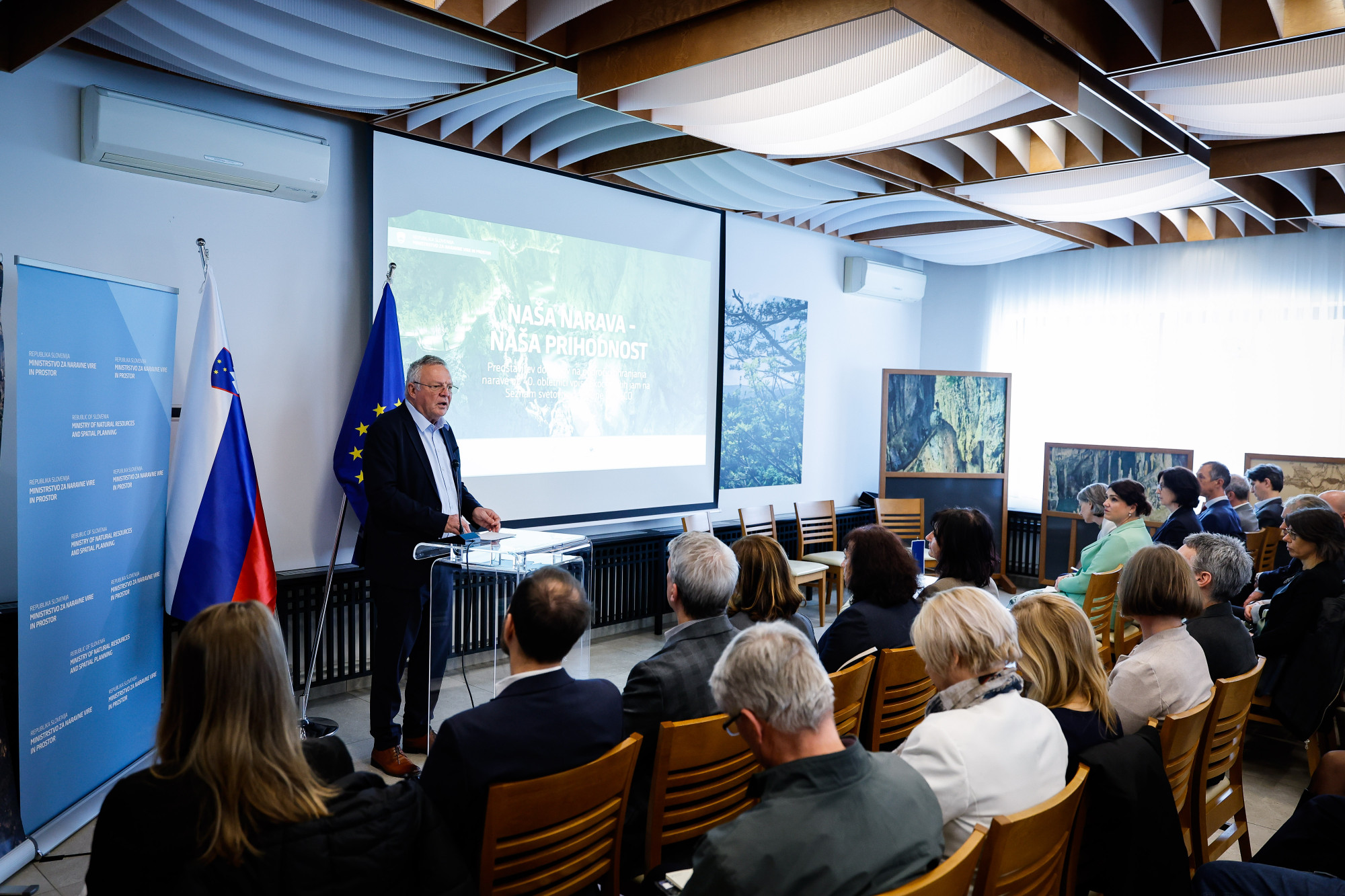
Minister Jože Novak during his opening address | Author Anže Malovrh/STA
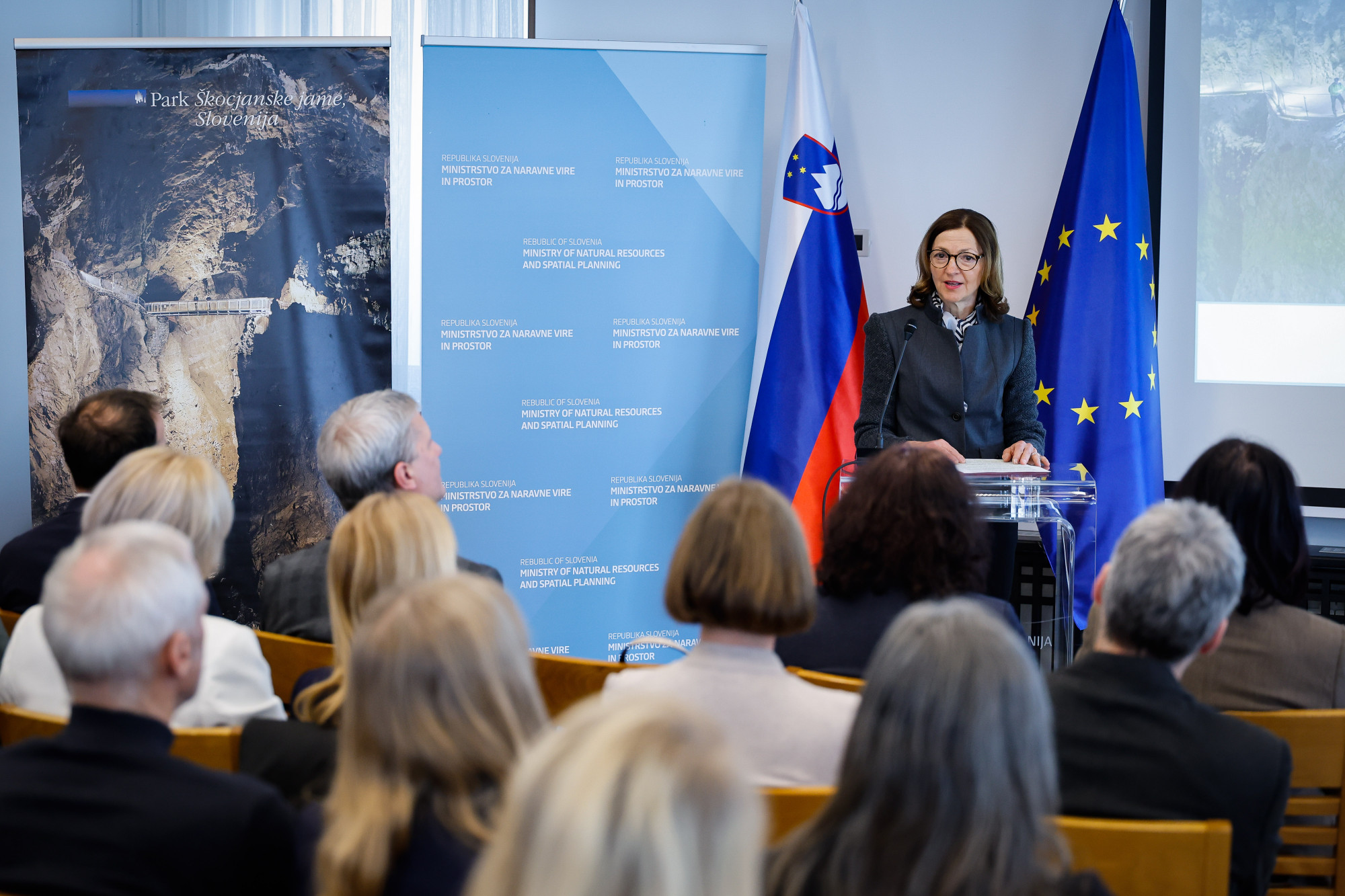
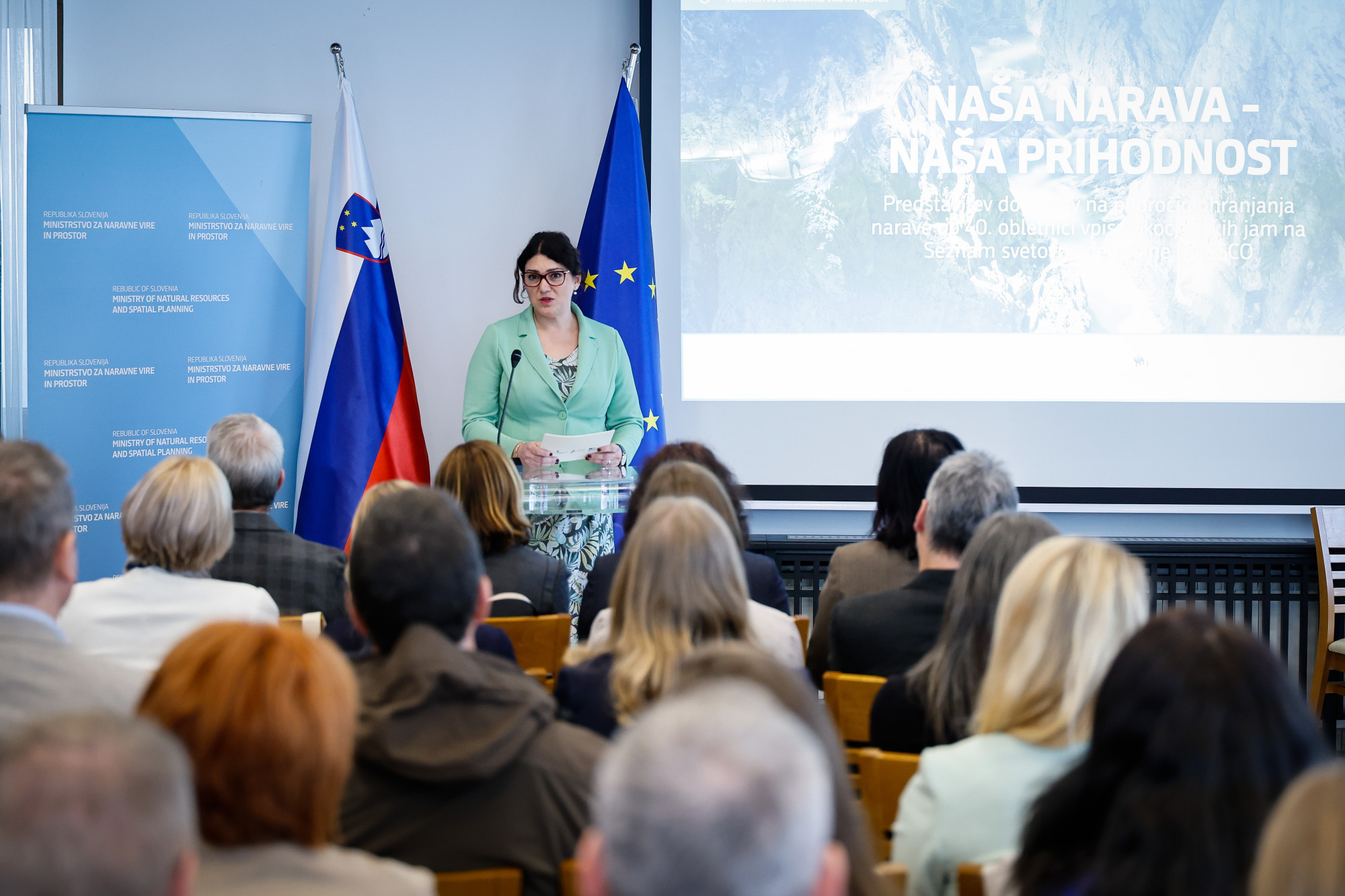
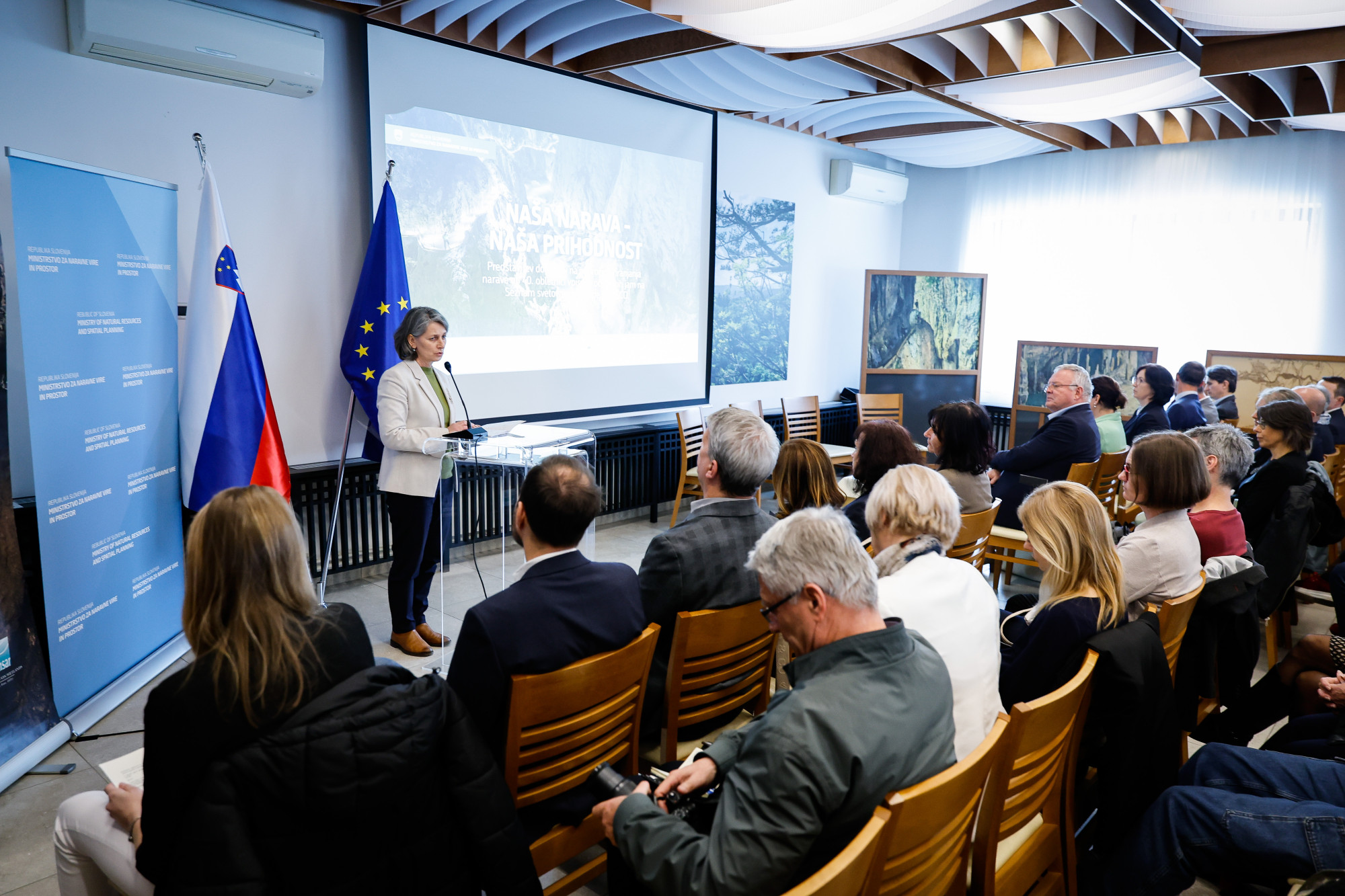
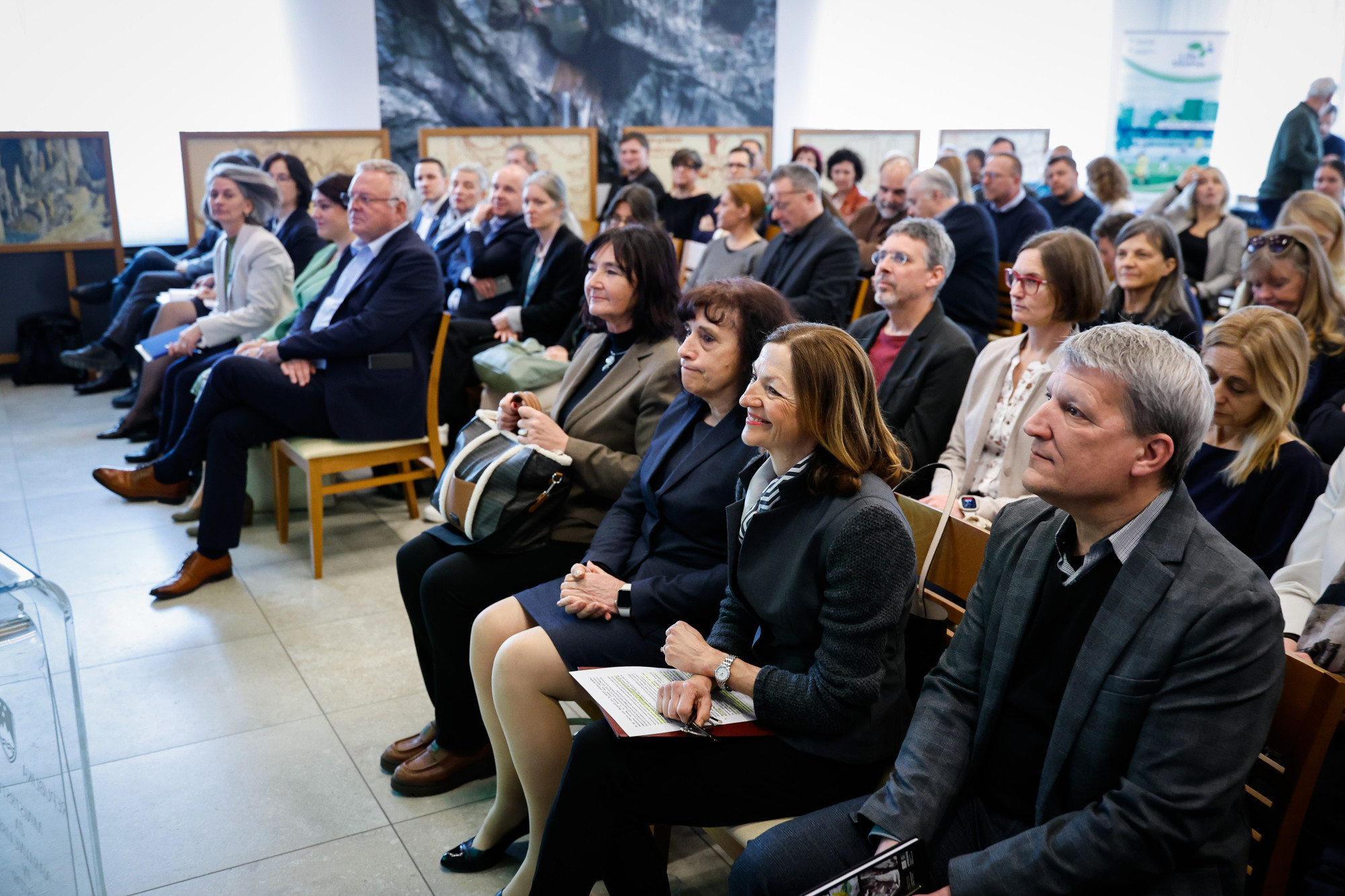
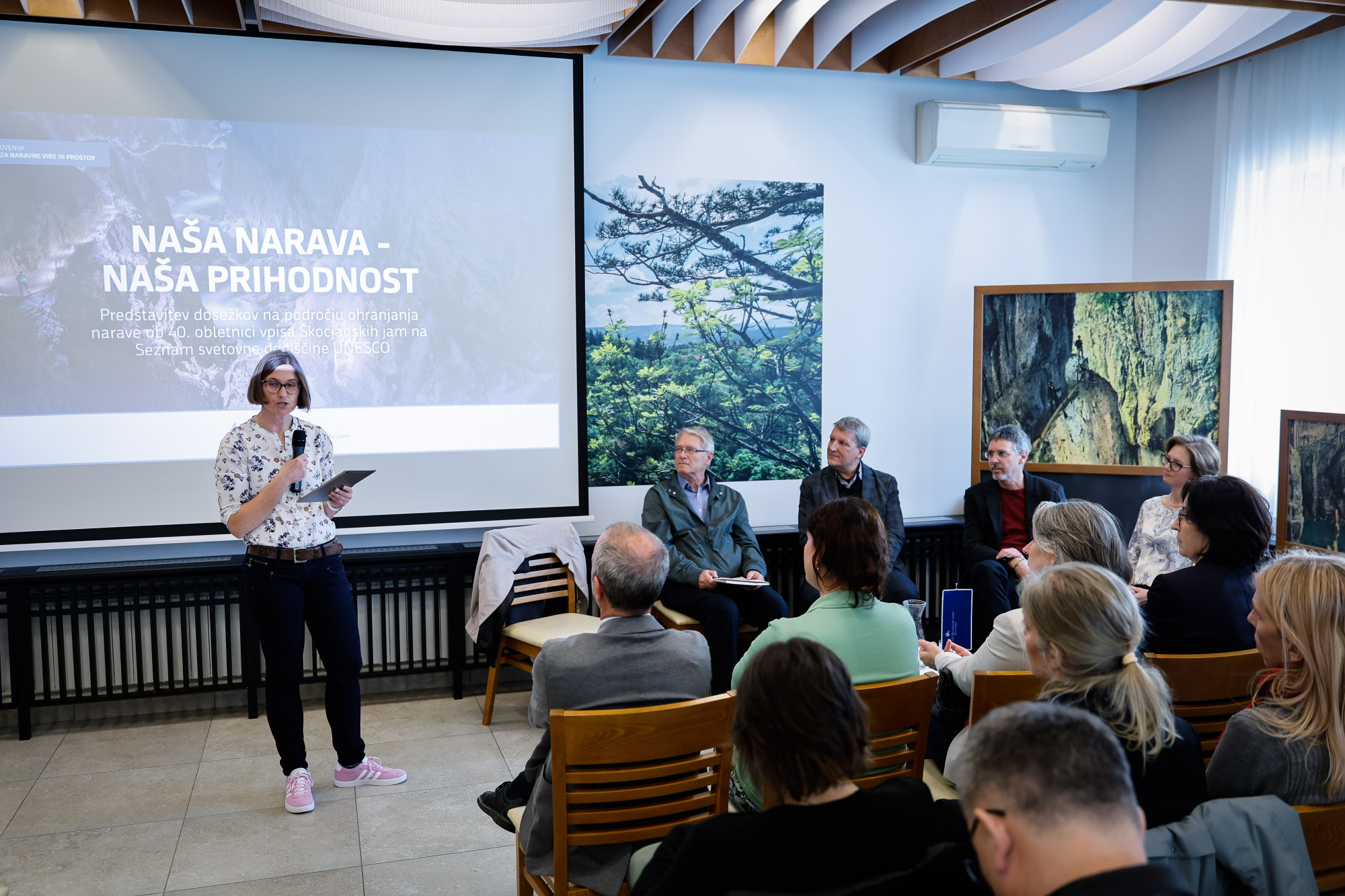
In his opening address, the Minister of Natural Resources and Spatial Planning, Jože Novak, highlighted that the Škocjan Caves demonstrate how expertise, sound management and collaboration with local communities can create stories of international significance. "Such achievements cannot be taken for granted. They are the result of years of work, patience and a shared vision."
Today's Our Nature Our Future consultation reminds us of a fundamental truth: we preserve nature not for its symbolism, but for the quality of human life, the resilience of our environment and the long-term stability of the state. Nature protection is a development policy.
- Minister Jože Novak
Important steps have been taken in this regard, including strengthening the management of Natura 2000 sites, improving the protection system for natural assets and protected areas, and advancing the national nature restoration plan. "Challenges remain, however, such as climate change, spatial pressures and societal expectations. Our goal must be clear – decisions must be professional, effective and understandable to people," the Minister underlined in his address.
Dr Maja Zalaznik, President of the Slovenian National Commission for UNESCO (the United Nations Educational, Scientific and Cultural Organization), noted that World Heritage sites cover less than 1% of the Earth's surface, yet protect around one-fifth of global biodiversity. "This figure speaks for itself. This is our oxygen. It concerns not just our development, but our very existence," she emphasised. Inscription on the UNESCO list has significance that transcends national borders, giving sites international visibility.
Polona Kovačič, Director of the Škocjan Caves Park, presented an interesting paradox: "When we consider listing a site as a World Heritage Site, we often have not only the protection of the site in mind, but also the desire for it to be visible and publicised. However, that very publicity can later pose a threat to the values for which the site was originally inscribed."
The Škocjan Caves Park resolved the issue of visitor management years ago. They do not view limiting the number of visitors according to the carrying capacity as an obstacle, but rather as a strategic development decision that ensures a better visitor experience while preserving this exceptional space in the long term.
Slovenia has the highest proportion of Natura 2000 territory of any EU Member State, with nearly 40% of the country being protected. In a brief overview of the Nature Directorate's key responsibilities, its Director General, Katarina Groznik Zeiler, commended the proactive approach of the staff in devising new methods for managing such extensive areas.
In the European Union, ecosystem degradation and biodiversity loss continue at an alarming rate. The emerging National Nature Restoration Plan, which is being developed by the MNVP with the involvement of interested public, will be a key document for implementing the EU Nature Restoration Regulation.
The consultation continued with the delivery of presentations by colleagues from the MNVP on the subject of achievements and developments in nature conservation in Slovenia. The primary focus was on the opportunities presented by the Natura 2000 network, including on natural values and protected areas, the more efficient implementation of administrative matters and the drafting of the national nature restoration plan. Dr Damijan Denac, Director of the Institute of the Republic of Slovenia for Nature Conservation (ZRSVN), outlined the Institute's future plans and its pivotal role in the nature protection system. (Presentations are available at the end of the newsletter.)
The event concluded with a roundtable discussion on the topic of Slovenia's 40 years of World Heritage, covering subjects such as the process of being listed by UNESCO, the challenges of governance, Slovenia's role in implementing the Convention Concerning the Protection of the World Cultural and Natural Heritage, and the country's status as the cradle of karst studies. Last year, the UNESCO General Conference declared 13 September the International Day of Caves and Karst. The initiative was formally submitted by the Republic of Slovenia at the request of the International Union of Speleology, which is headquartered in Postojna.