

Minister Fajon visits Jožef Stefan Institute's Reactor Centre
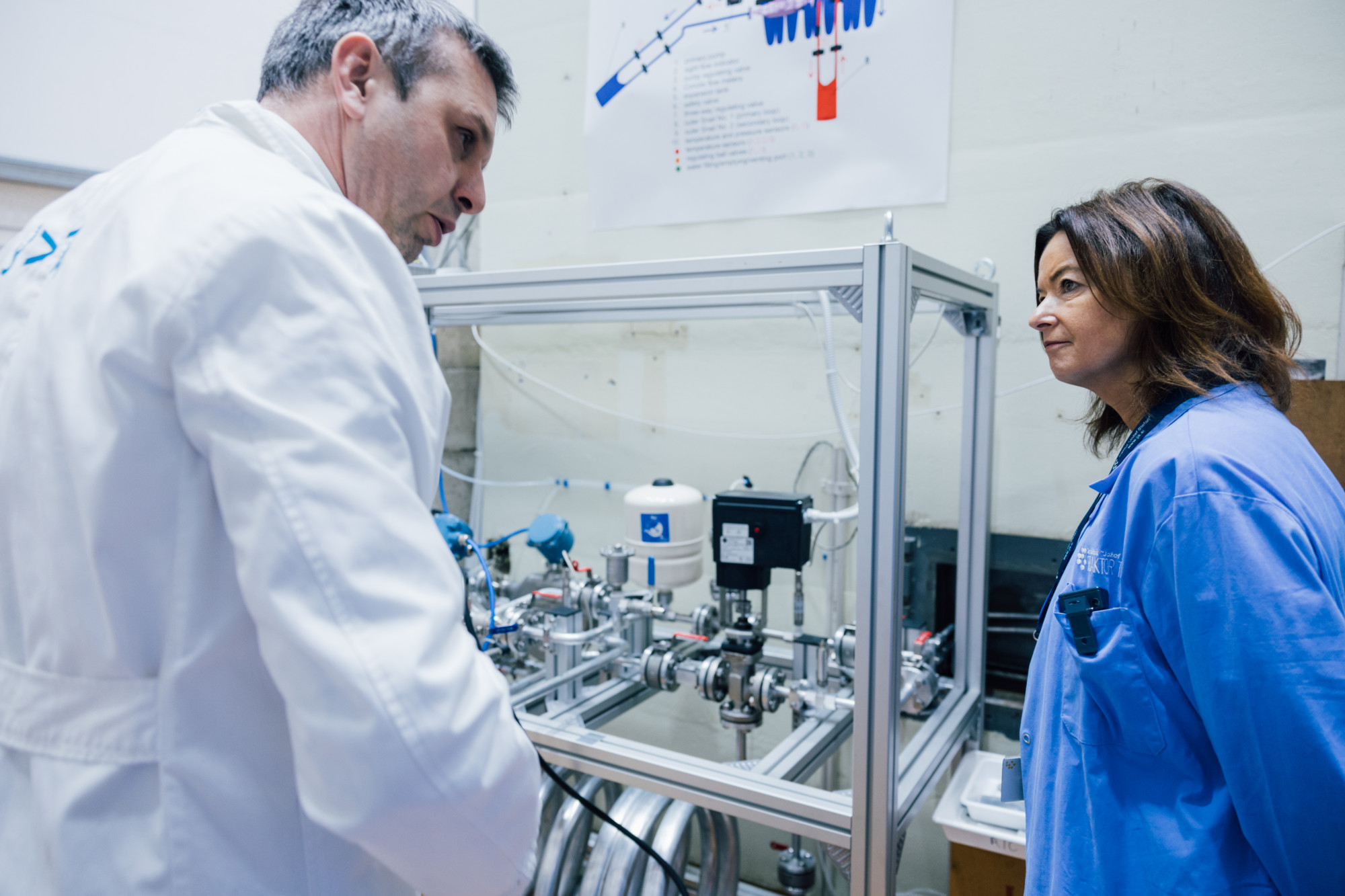
Minister Fajon visiting Jožef Stefan Institute's Reactor Centre. | Author Ministry of Foreign and European Affairs
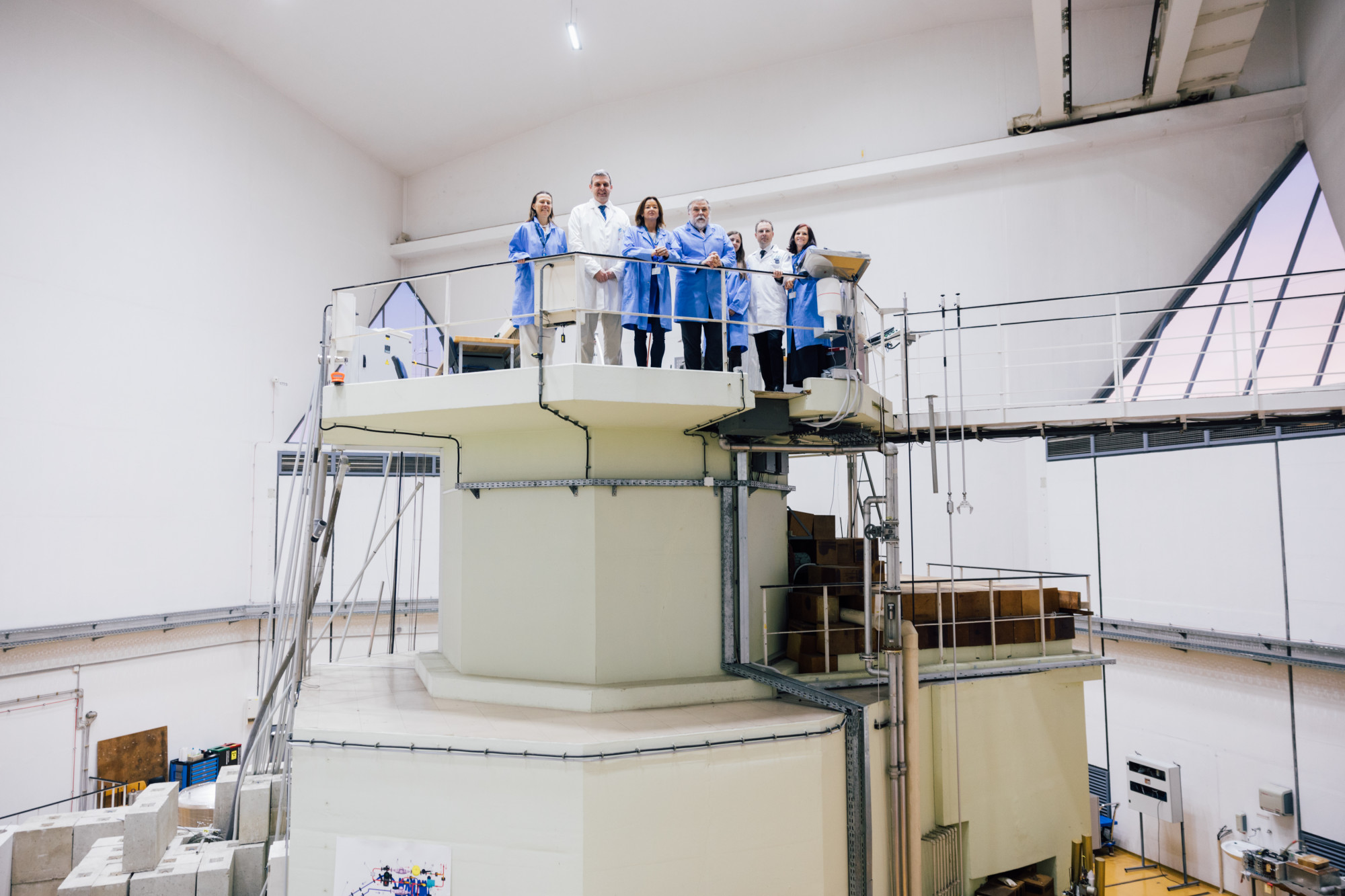
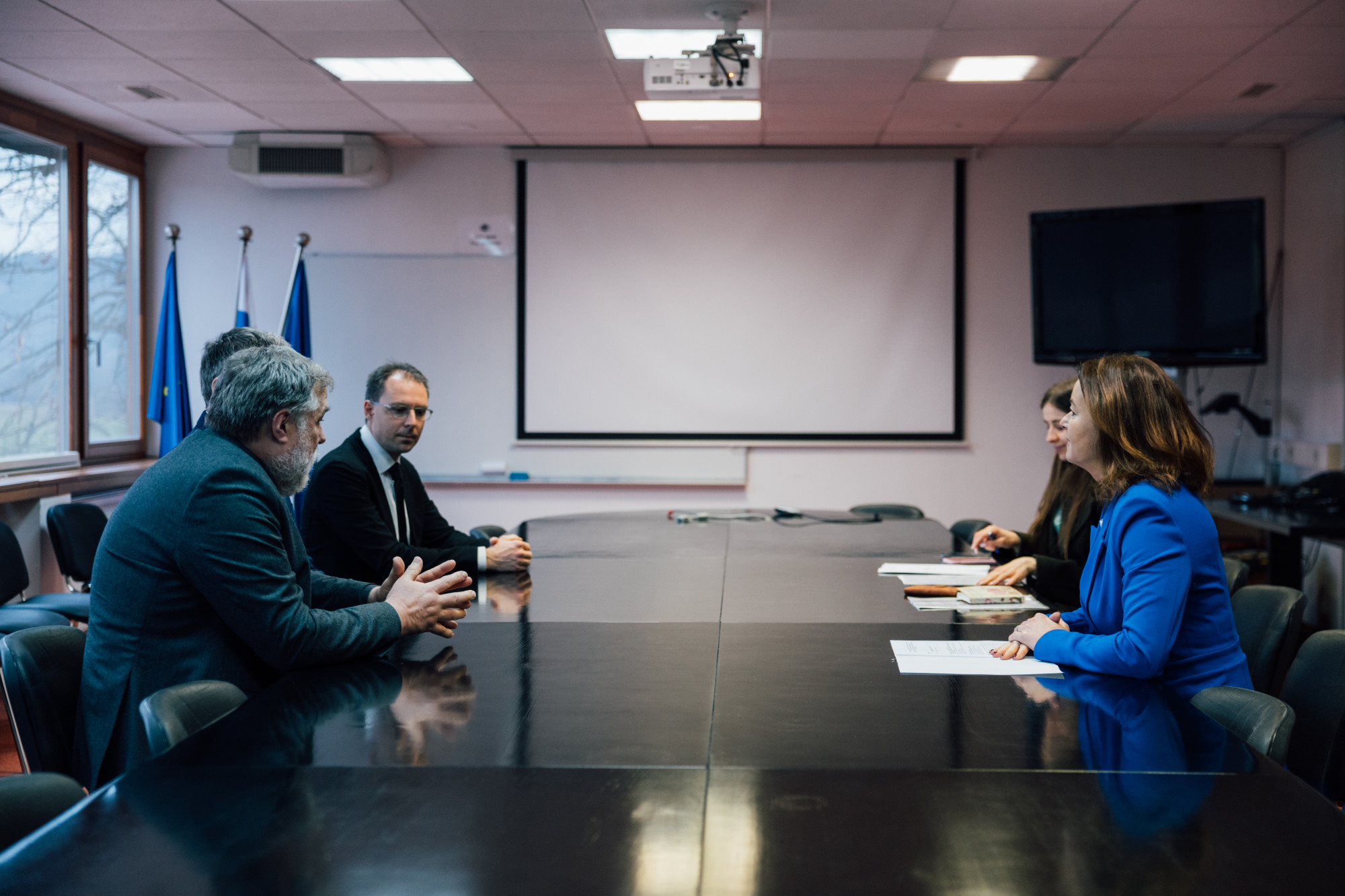
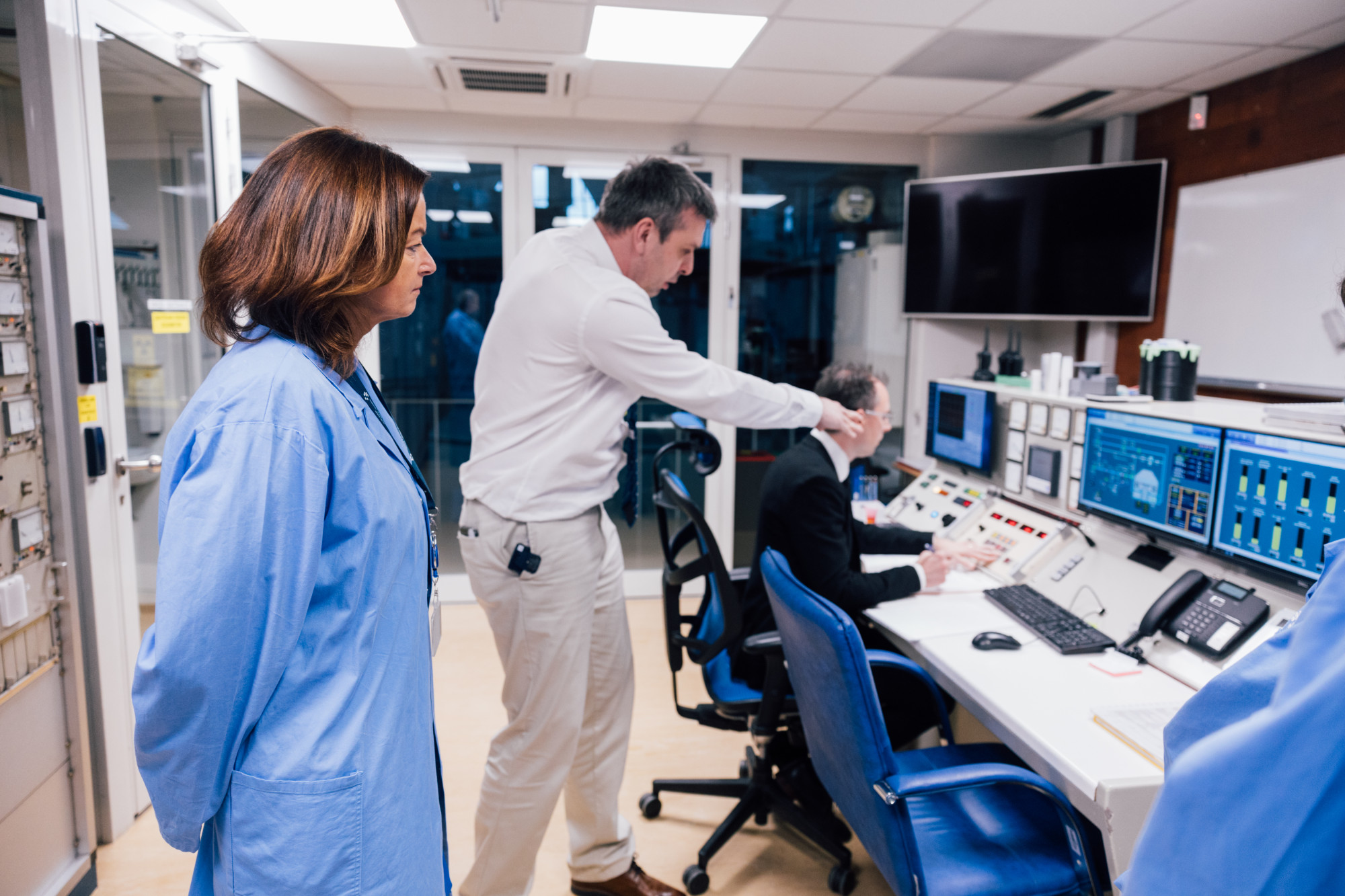
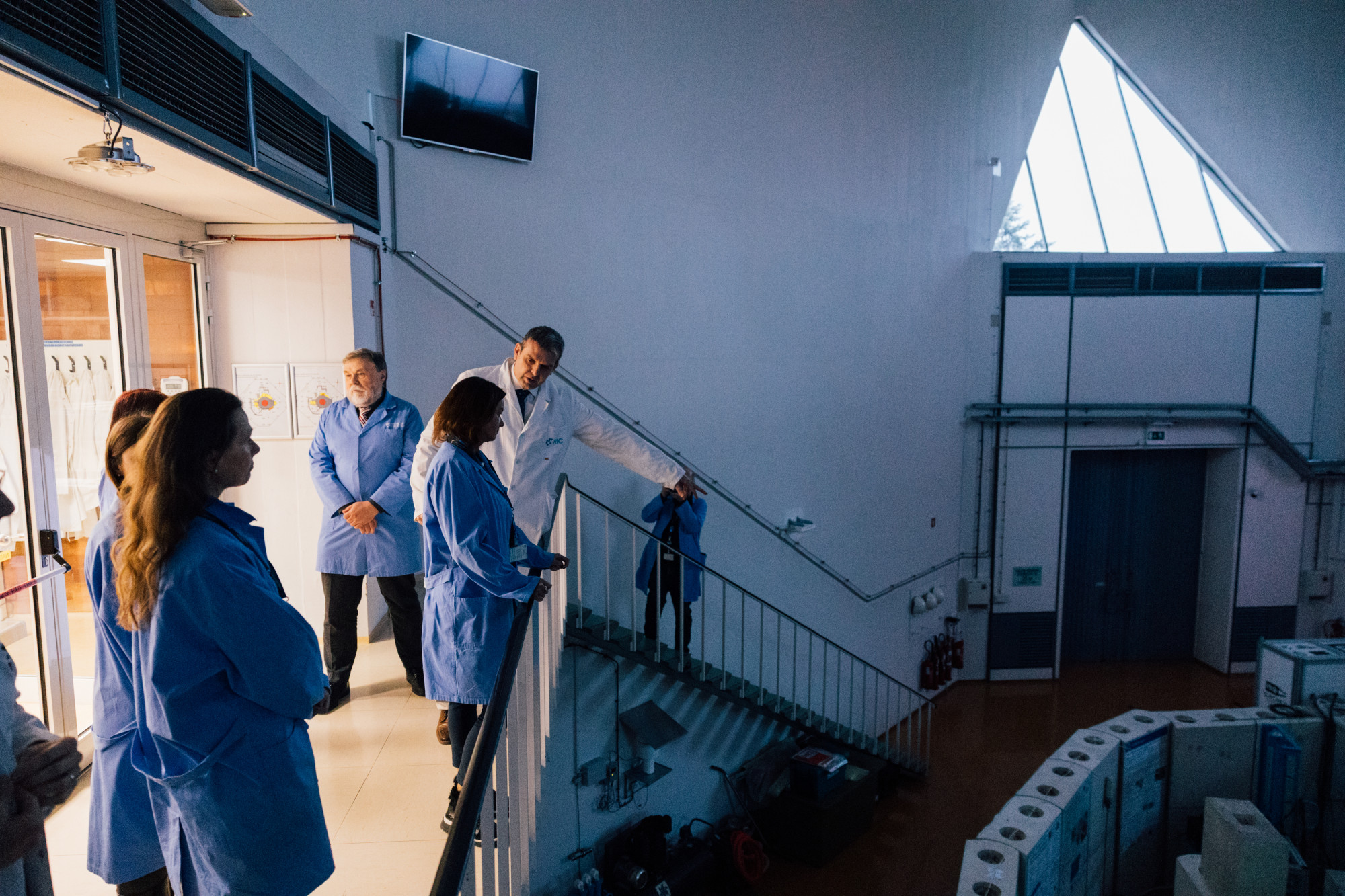
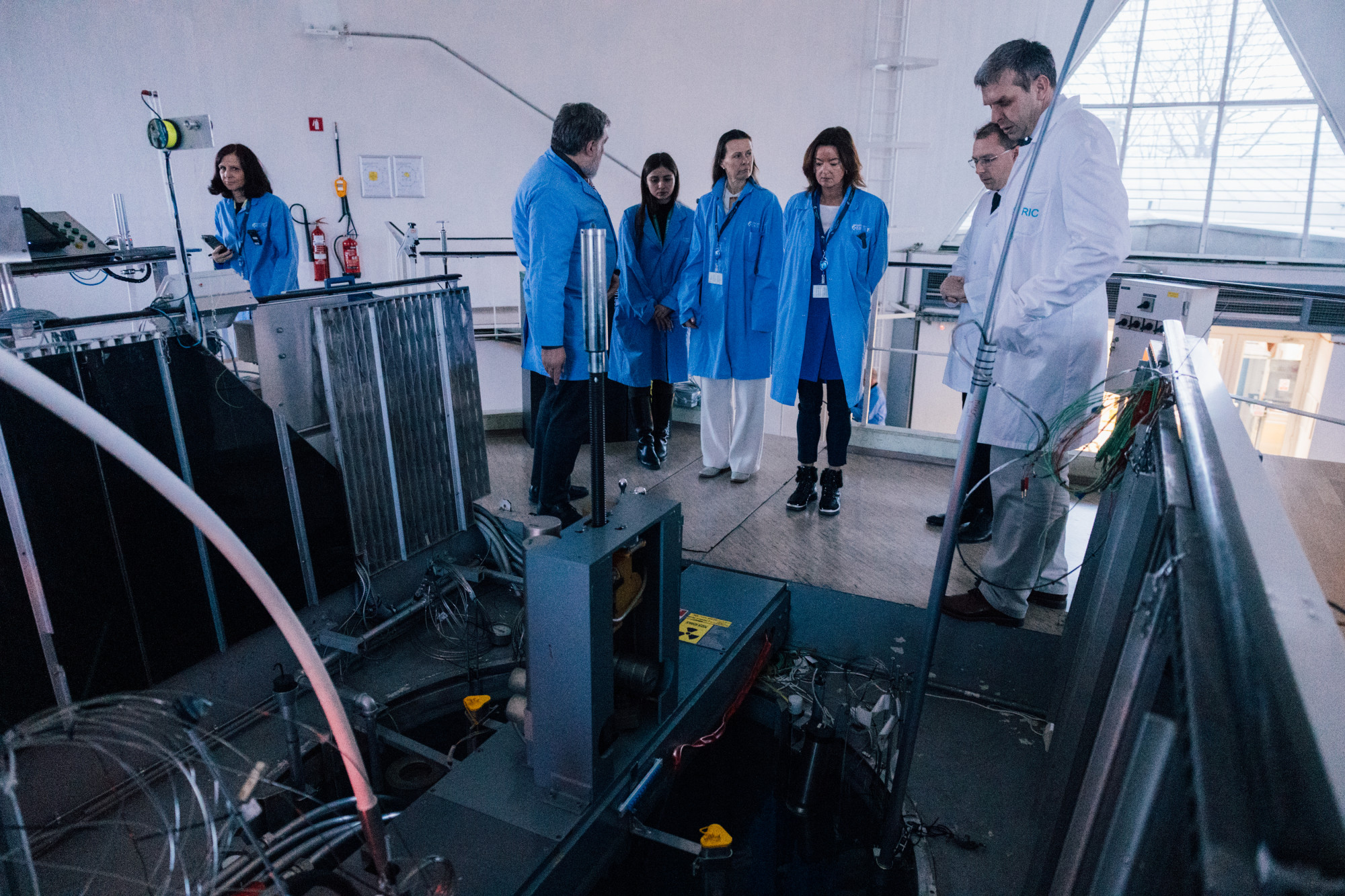
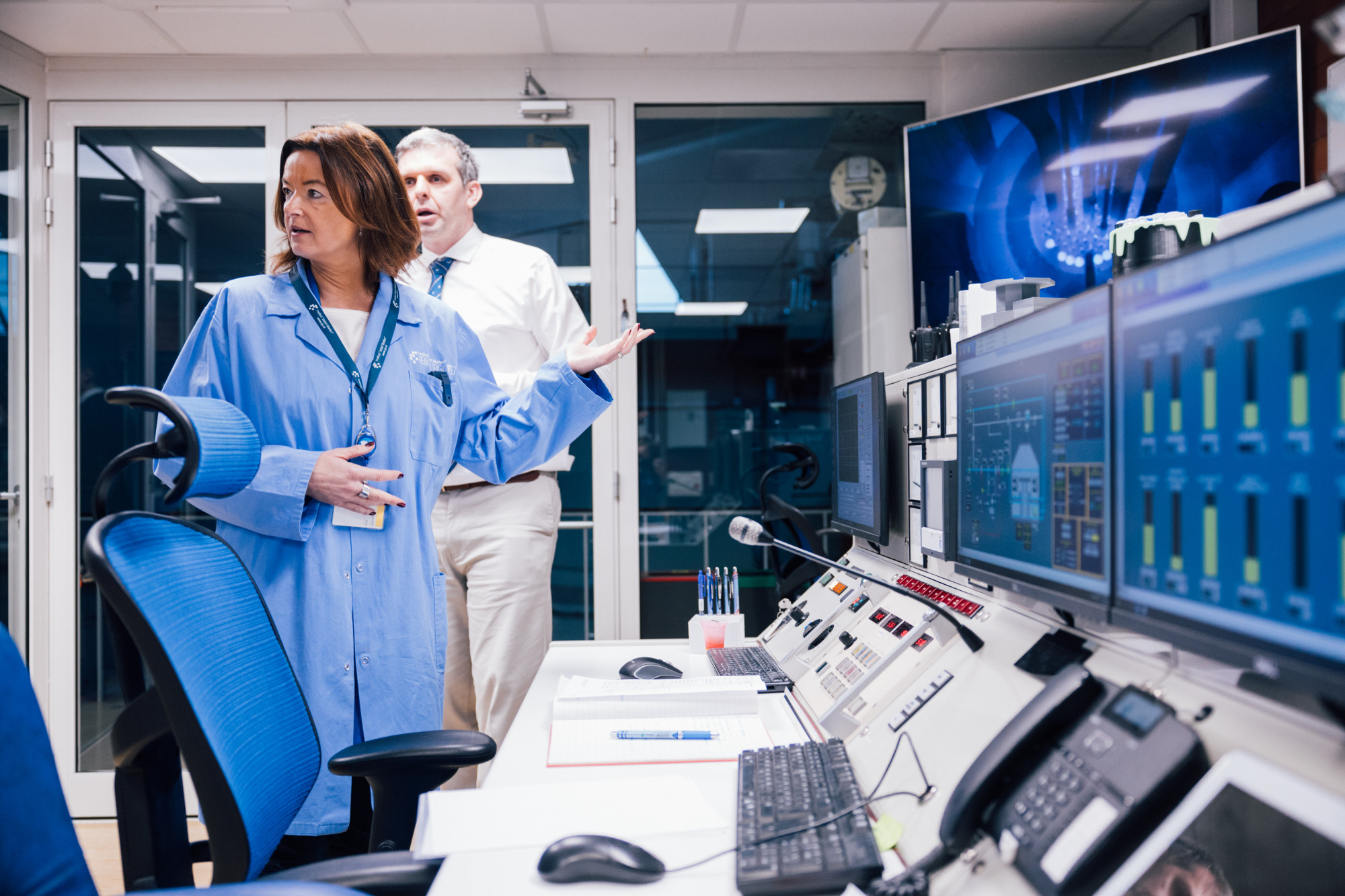
In discussions with the Centre's management – Prof. Dr Leon Cizelj, Prof. Dr Luka Snoj and Dr Anže Jazbec – Minister Fajon emphasised the importance of fostering links between science and the economy: "In the era of energy decarbonisation, expertise in nuclear physics, safety and advanced materials represents a strategic advantage. The TRIGA reactor has been recognised by partner countries as a prime example of experimental flexibility and an important partner in validating the development of advanced systems."
The Minister invited the Reactor Centre to cooperate with Slovenian embassies on Science Fund projects aimed at establishing partnerships in countries with developed nuclear programmes or ambitions to develop research infrastructure.
Minister Fajon described the visit to the research reactor as an opportunity to further strengthen Slovenia's global connections in nuclear research, training and technological development. "Slovenia seeks to leverage science diplomacy to enhance its global presence, both in bilateral relations and within international organisations such as the Organisation for Economic Co-operation and Development (OECD) Nuclear Energy Agency and the International Atomic Energy Agency," she said.
Operating within the Jožef Stefan Institute, the TRIGA reactor forms part of a global network of TRIGA research reactors and represents one of the region's key research and educational infrastructures. Its reference experiments are included in international project databases overseen by the OECD Nuclear Energy Agency and are used worldwide for the validation of computer codes and nuclear data. The Centre's experts also participate actively in expert groups of the International Atomic Energy Agency.