

Hrastovlje Church declared national monument
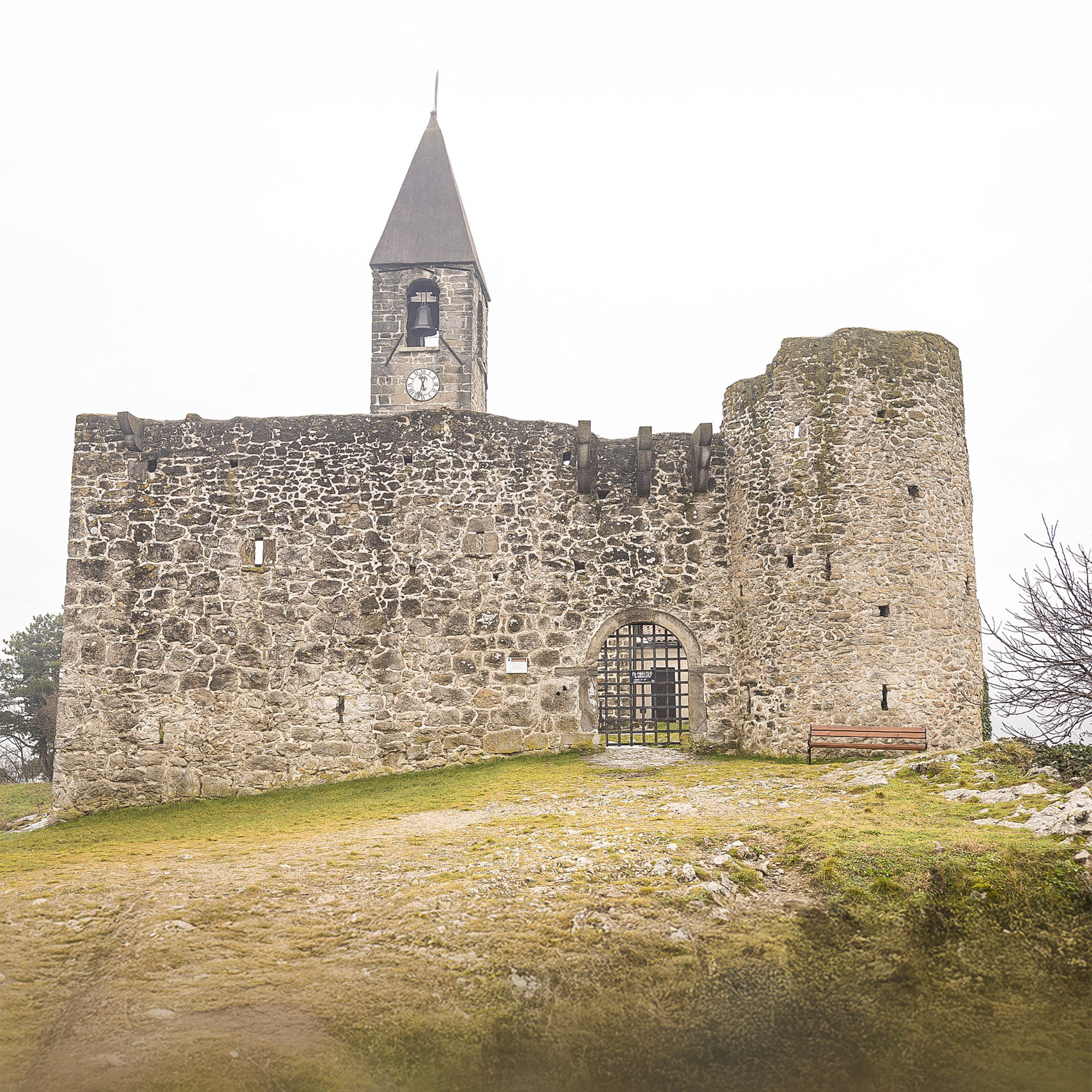
The initiative to declare the church a national monument came from the Koper municipality in November last year.
The proposal, drafted by the Piran unit of the Institute for the Protection of Cultural Heritage, said the church represented a remarkable achievement of creativity and was unique in its architectural design and Gothic frescoes.
"The Holy Trinity Church in Hrastovlje is a priceless part of our shared cultural heritage and one of the strongest symbols of Istrian heritage," Culture Minister Asta Vrečko was quoted as saying by the Culture Ministry.
Declaring the church a monument of national importance ensures the highest level of protection for the church, the wall surrounding it and the broader area that gives the monument its distinctive image. "This is a clear sign that caring for cultural heritage is an investment in knowledge, memory and future," Vrečko said.
The declaration of national importance defines the protected elements of the monument, its scope and its area of influence, which guarantees a long-term preservation of its values, integration with landscape and characteristic landscape image, the ministry said. The church remains intended for sacral use but is accessible and open to the public, in line with the guidelines for its conservation.
The Holy Trinity Church is either a Romanesque church from the 12th century or an Istrian variant of Early Venetian Renaissance architecture from the 15th century, and has maintained its original character and appearance. One of the smallest churches in the area, it is built from stone and surrounded by a wall built in the 16th century to protect the locals from Turkish attacks.
The frescoes in the church were painted by Johannes de Castua in 1490 and discovered in 1949 under thick layers of plaster. The most famous of the frescoes is the Dance of Death or Danse Macabre.
The three-nave church was previously a cultural monument of local importance.
Source: STA