

State Secretary Grašič: Significant progress by candidate countries demonstrates that EU enlargement is achievable
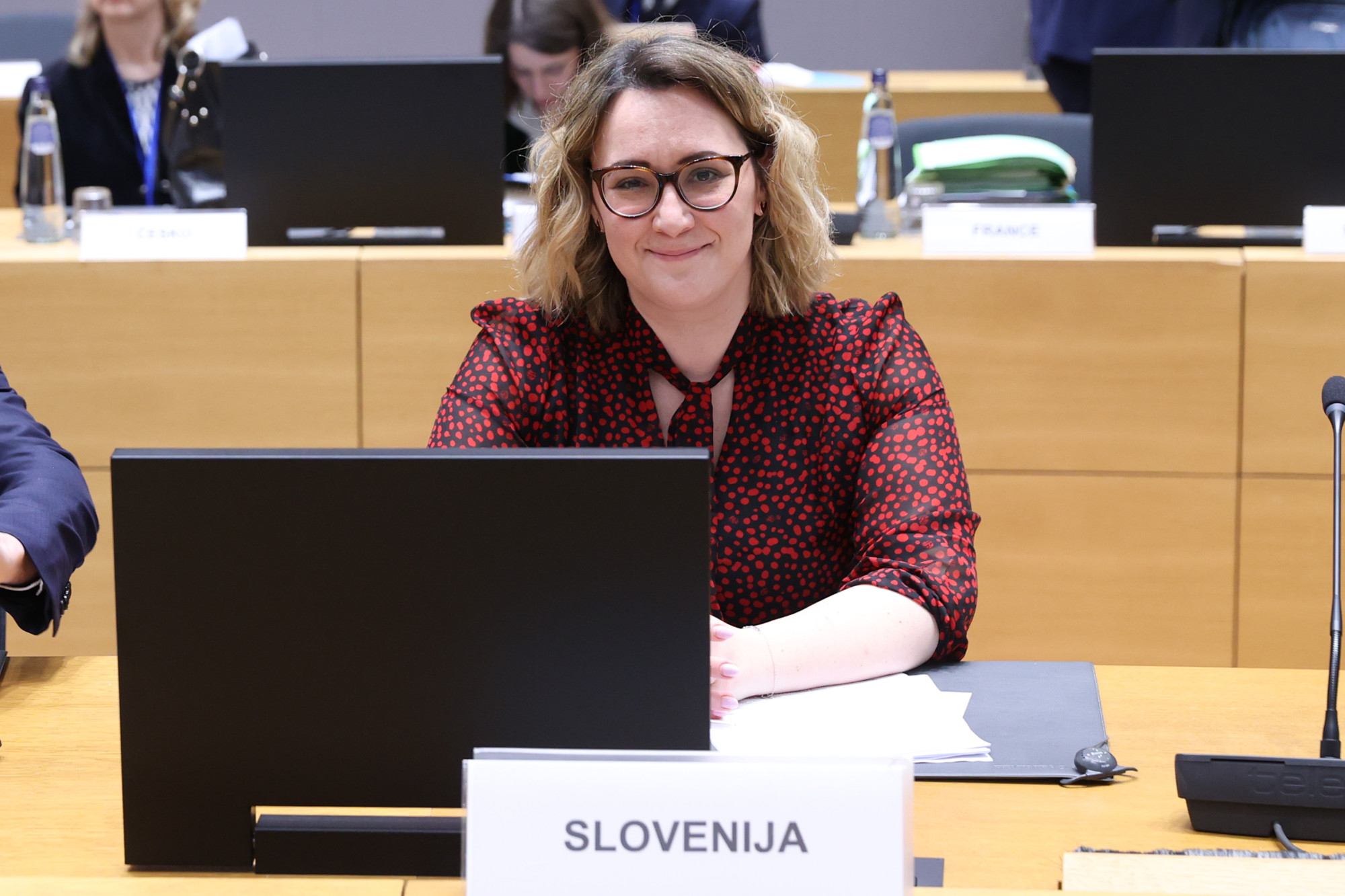
State Secretary Neva Grašič at the EU General Affairs Council meeting | Author EU
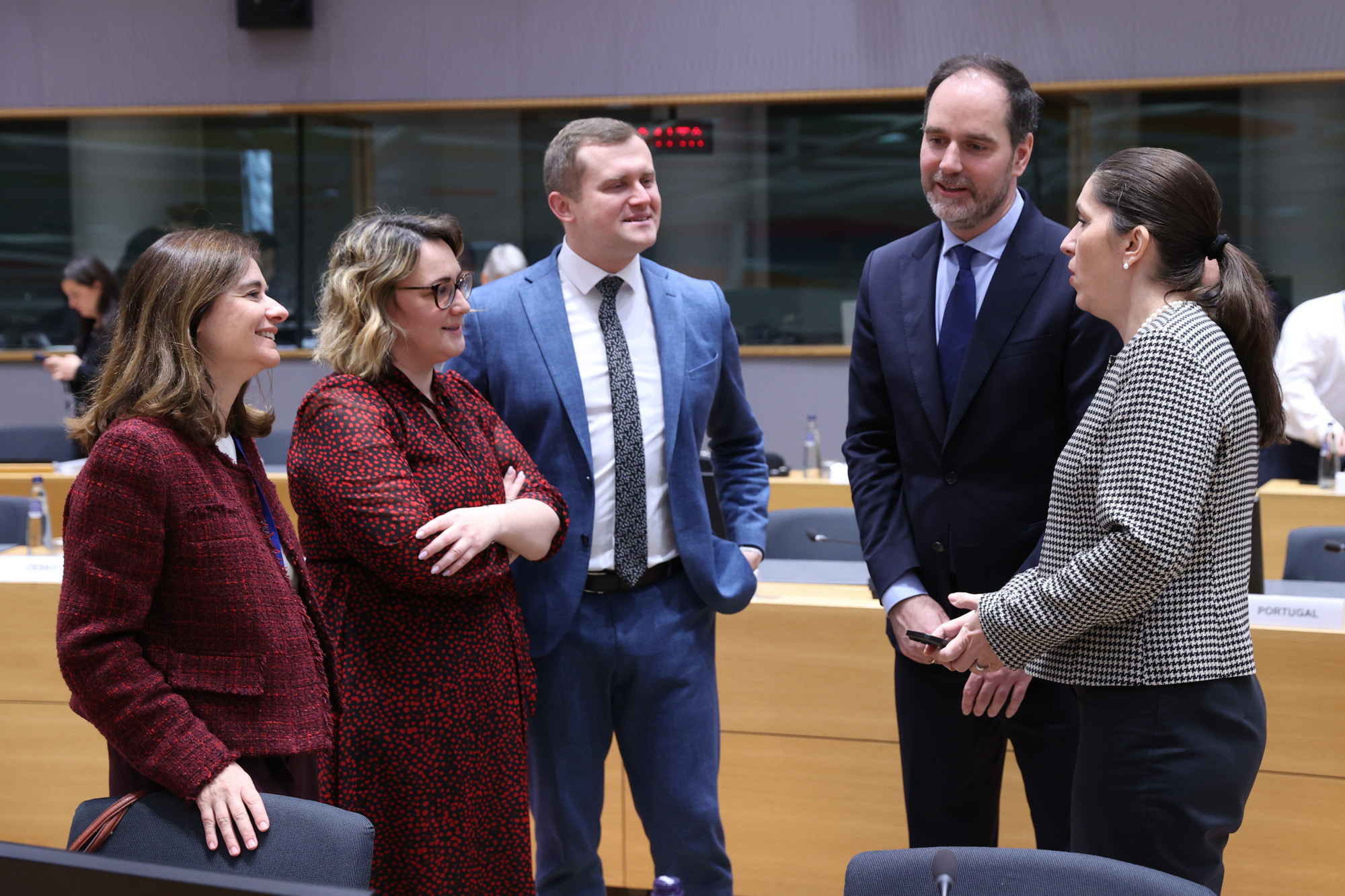
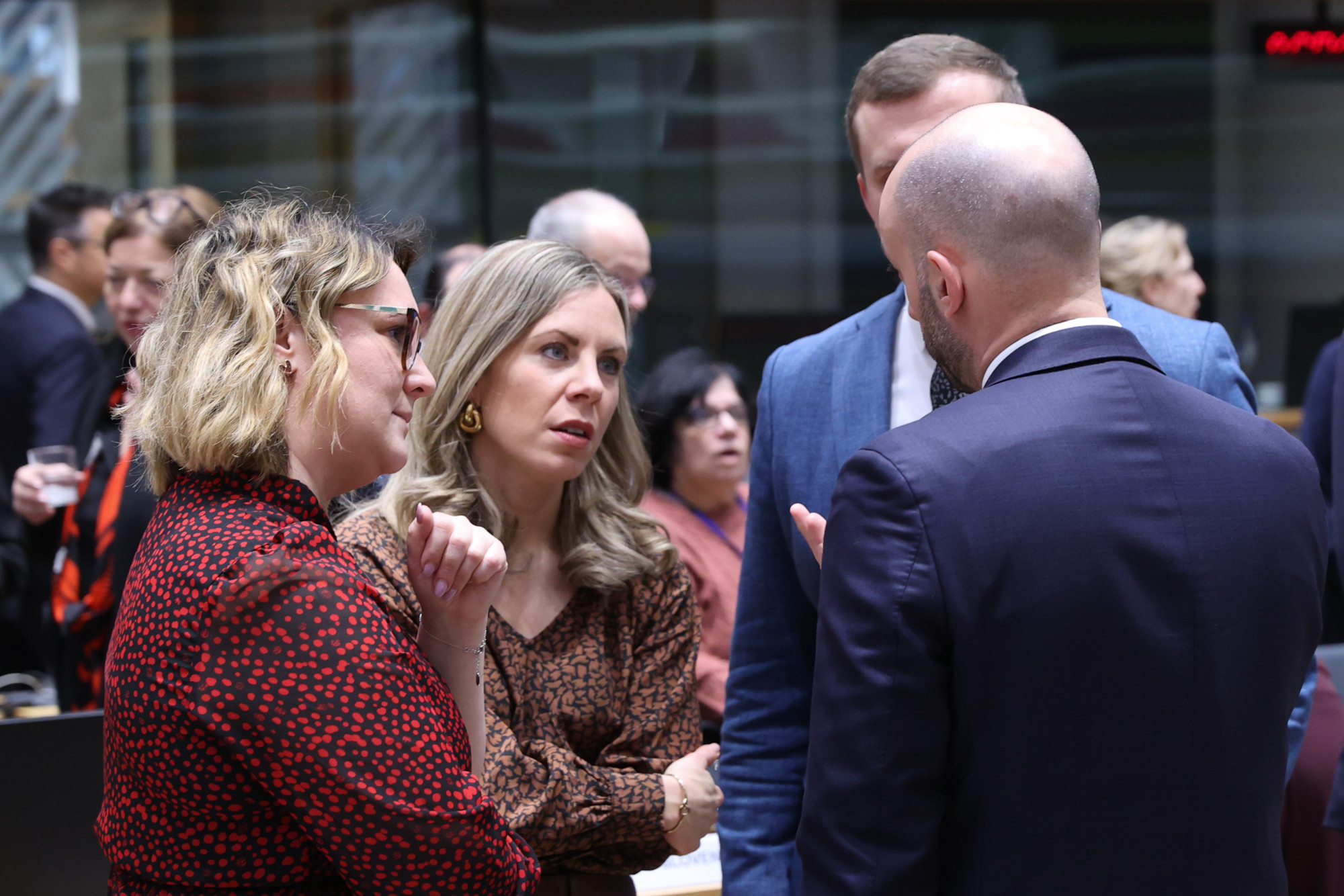
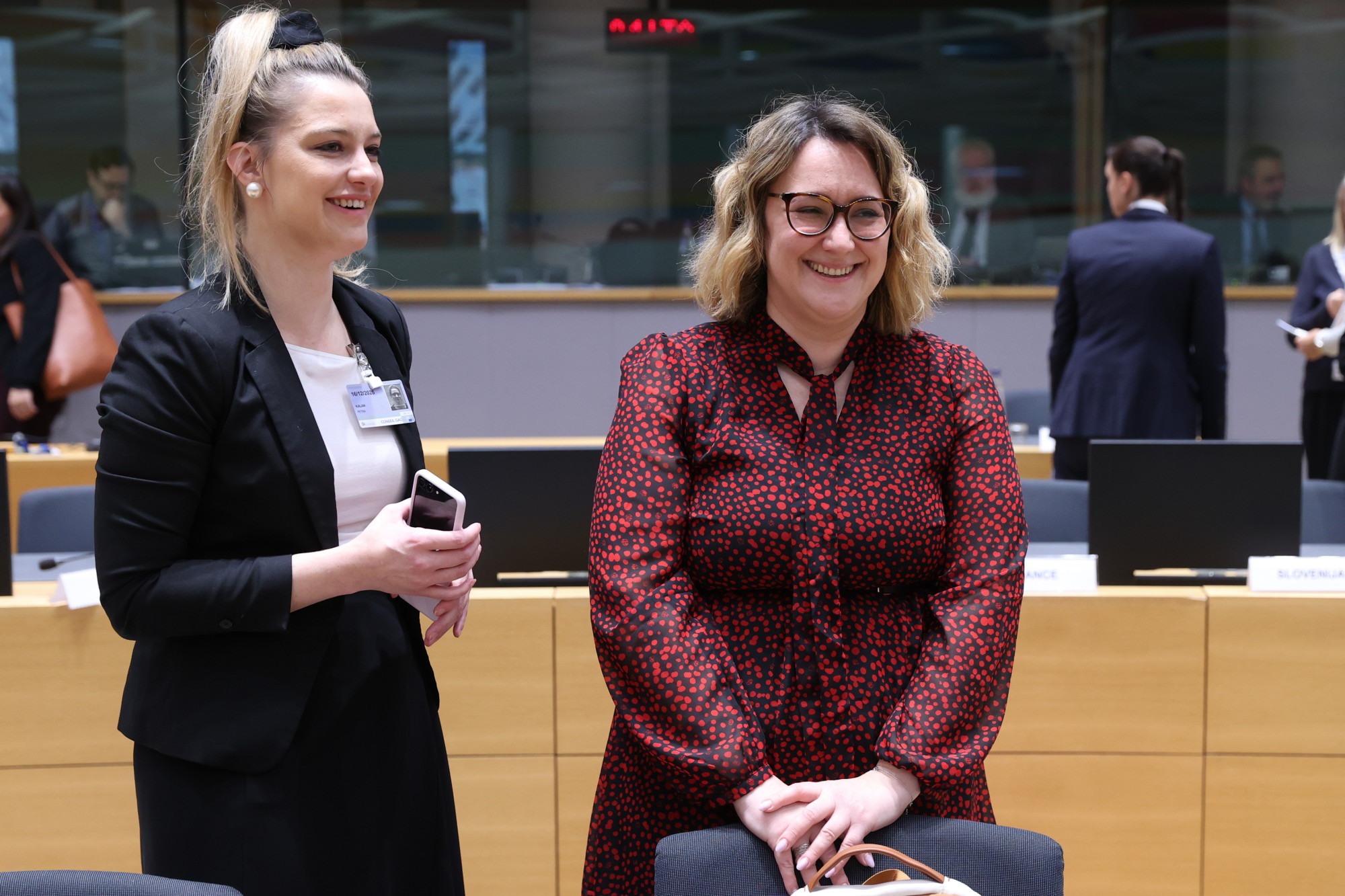
In preparation for the European Council meeting in Brussels on 18 and 19 December, State Secretary Grašič underlined the importance of the Union’s ongoing support for Ukraine. Discussions among leaders at this week’s European Council, as well as in the context of peace efforts, will have a decisive impact on Europe’s future security and prosperity. Slovenia continues to support the EU’s efforts to find appropriate legal and financial solutions to ensure sustained financial assistance to Ukraine.
State Secretary Grašič reiterated Slovenia’s clear and principled position on the situation in the Middle East, which it has consistently advocated, including during its presidency of the UN Security Council. Slovenia calls for respect for international law, the protection of civilians, unhindered humanitarian access and full compliance with agreed commitments as the best means of ensuring that the current ceasefire leads to lasting peace.
During discussions on the geoeconomic situation, State Secretary Grašič noted that Slovenia, as an export-oriented economy, recognises the importance of economic security and trade policy. It also supports strengthening the EU’s global competitiveness while maintaining open, fair and rules-based international trade. In this context, she highlighted the importance of building partnerships that contribute to the diversification of European trade, including the EU-Mercosur agreement, and welcomed several recent European Commission initiatives in the field of economic security.
The Council was invited to approve conclusions on enlargement. Slovenia strongly supported the draft conclusions proposed by the Danish Presidency. However, as consensus among member states could not be achieved, the final text was adopted as Presidency conclusions, supported by 26 member states. State Secretary Grašič emphasised that EU enlargement will strengthen the Union, making it more resilient and effective. “The EU must continue to send clear and unambiguous messages: progress is recognised, political commitment is valued, and the European perspective remains firm and unwavering. Enlargement policy must rest on a credible, predictable and merit-based process. Political clarity accelerates reforms and limits the influence of external actors,” she said.
She also stressed the importance of effective public communication on enlargement policy. “We must clearly explain to citizens why enlargement matters: it strengthens Europe’s security, competitiveness and global role.” She noted that the progress achieved by several candidate countries is cause for optimism.
Slovenia has called for an ambitious Multiannual Financial Framework for the 2028–2034 period, capable of financing new EU priorities, particularly competitiveness and security, while ensuring adequate funding for cohesion policy and the Common Agricultural Policy. State Secretary Grašič underlined that the proposed new approach to implementing National and Regional Partnership Plans should provide greater flexibility and simplified procedures for member states and beneficiaries. With regard to MFF revenue, Slovenia recognises the role of potential new own resources in supporting an ambitious financial framework and remains open to discussion, while exercising caution regarding proposals that could place a disproportionate burden on less developed member states. Slovenia also opposes rebates on contributions to the EU budget and supports maintaining the current rate of customs duties retained by member states.
Over a working lunch, ministers responsible for European affairs exchanged views on the contribution of cohesion policy to the delivery of the EU’s strategic priorities.
On the sidelines of the meeting, State Secretary Grašič participated in an intergovernmental conference on enlargement with Montenegro. On behalf of Slovenia, she congratulated the Montenegrin government on the provisional closing of five negotiating chapters, bringing the total number of closed chapters to twelve. This achievement reinforces Montenegro's position as a frontrunner among candidate countries, reflecting strong political commitment to the European integration and continued alignment with European values and the acquis.