

Mediterranean countries can always count on Slovenia: we seek peace and dignity
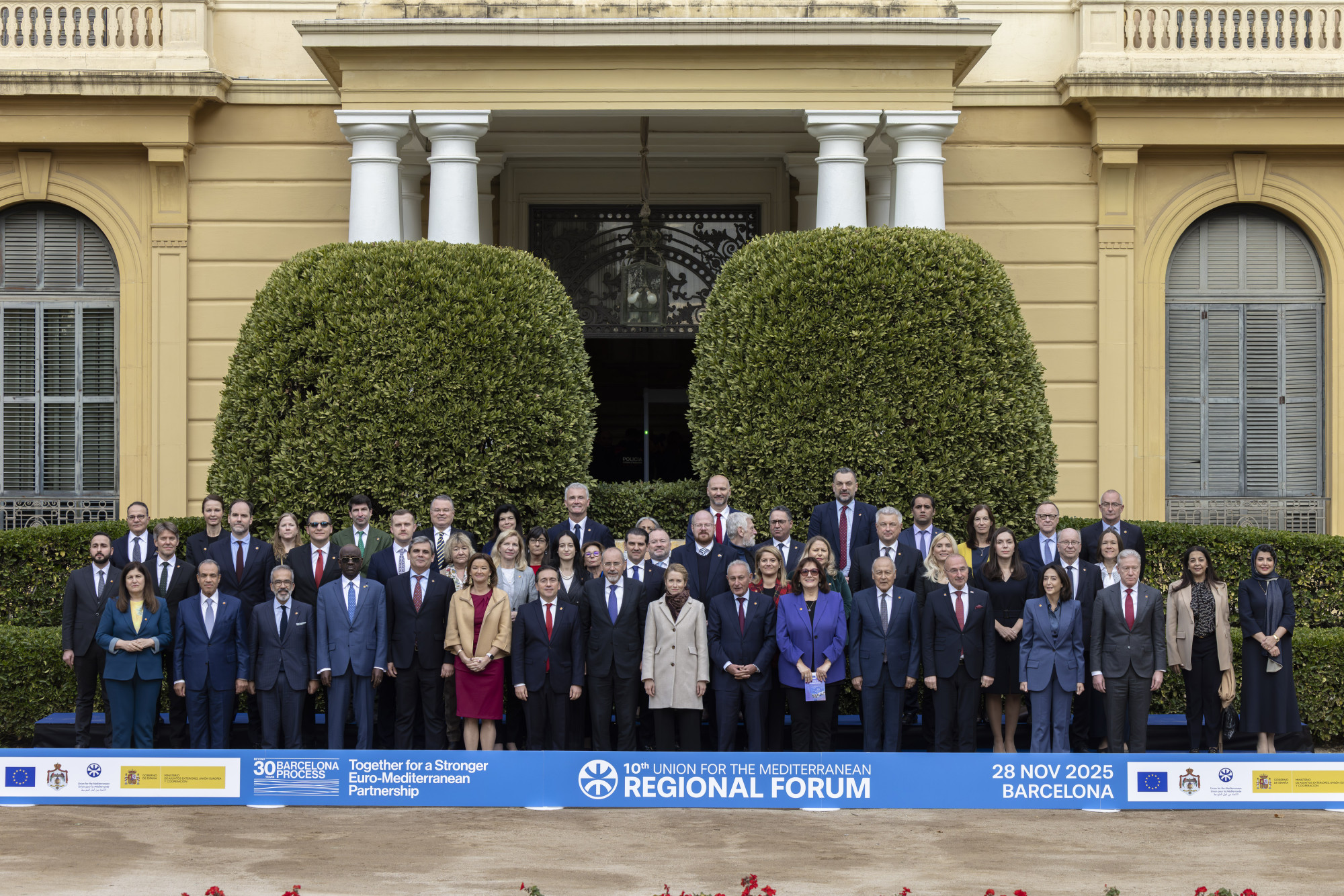
Meeting of 43 countries of the Union for the Mediterranean | Author UfM
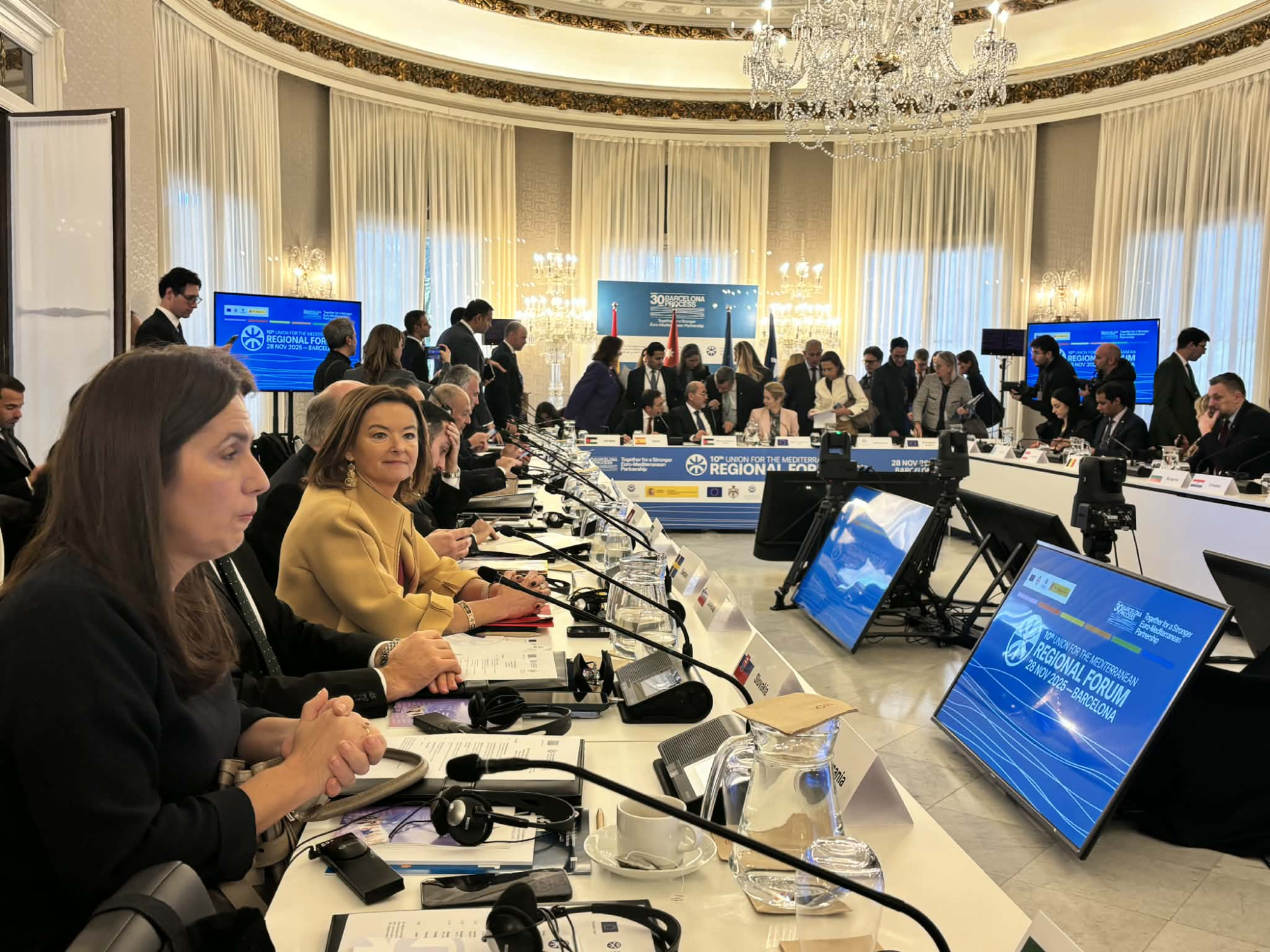
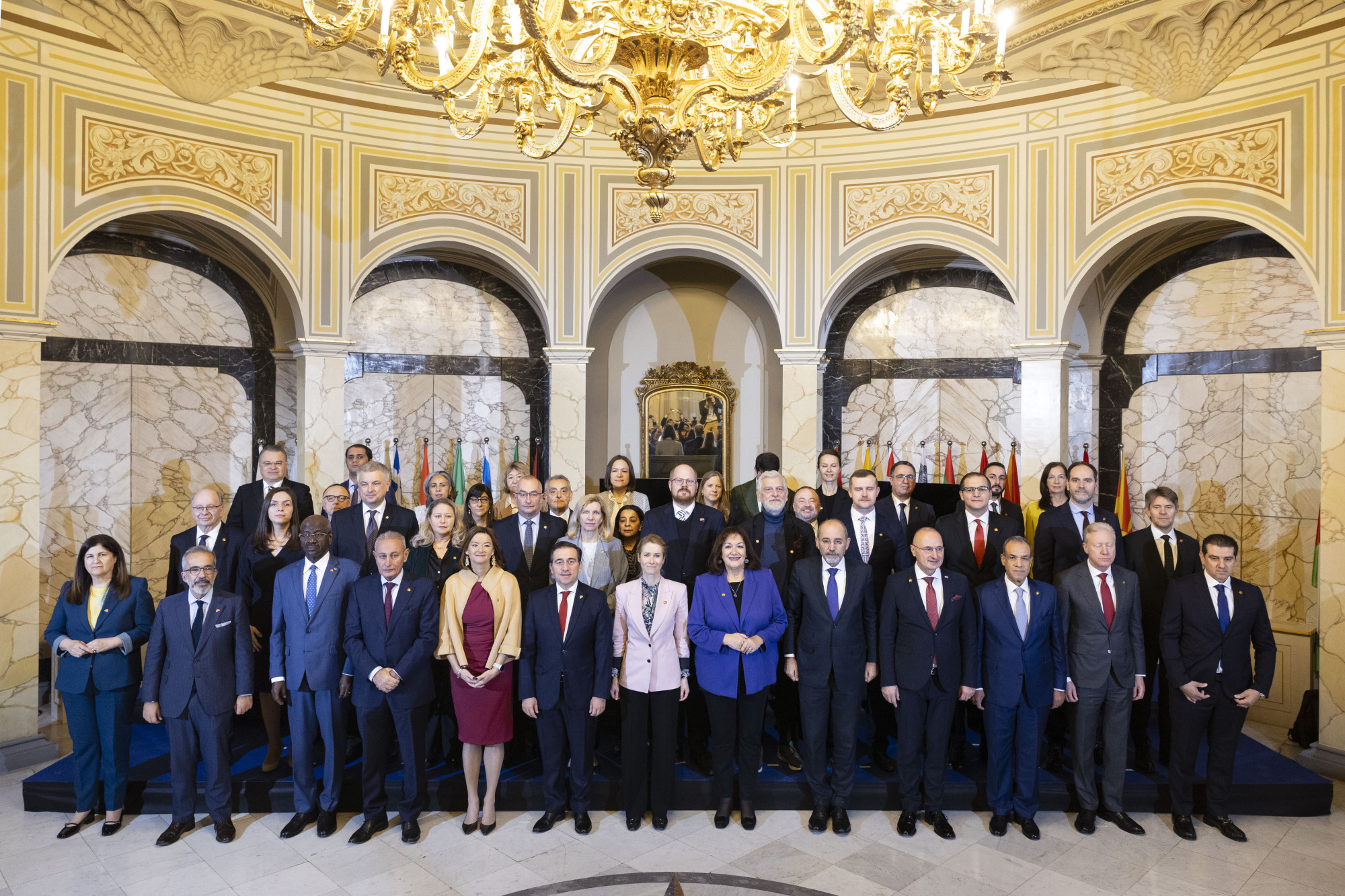
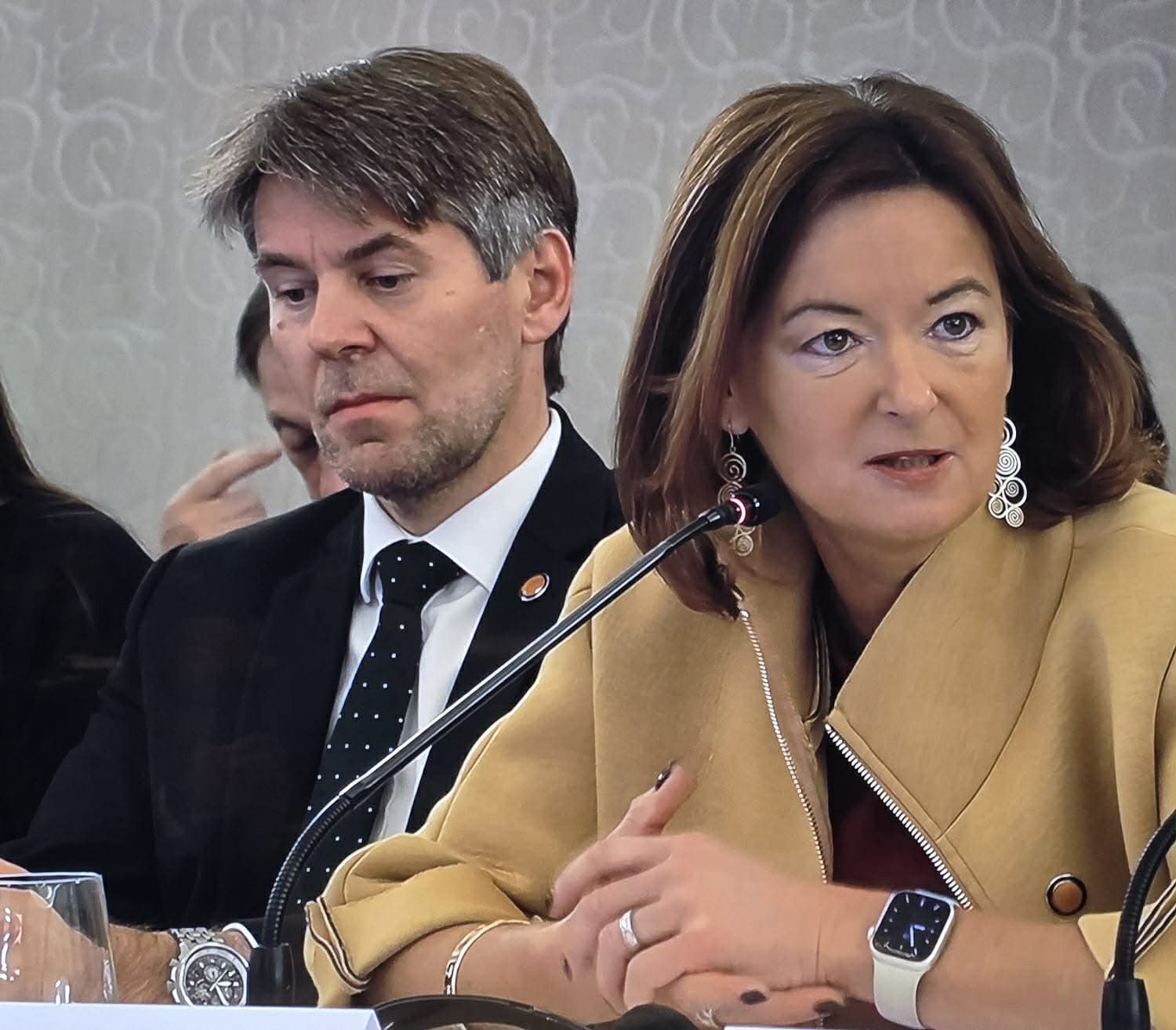
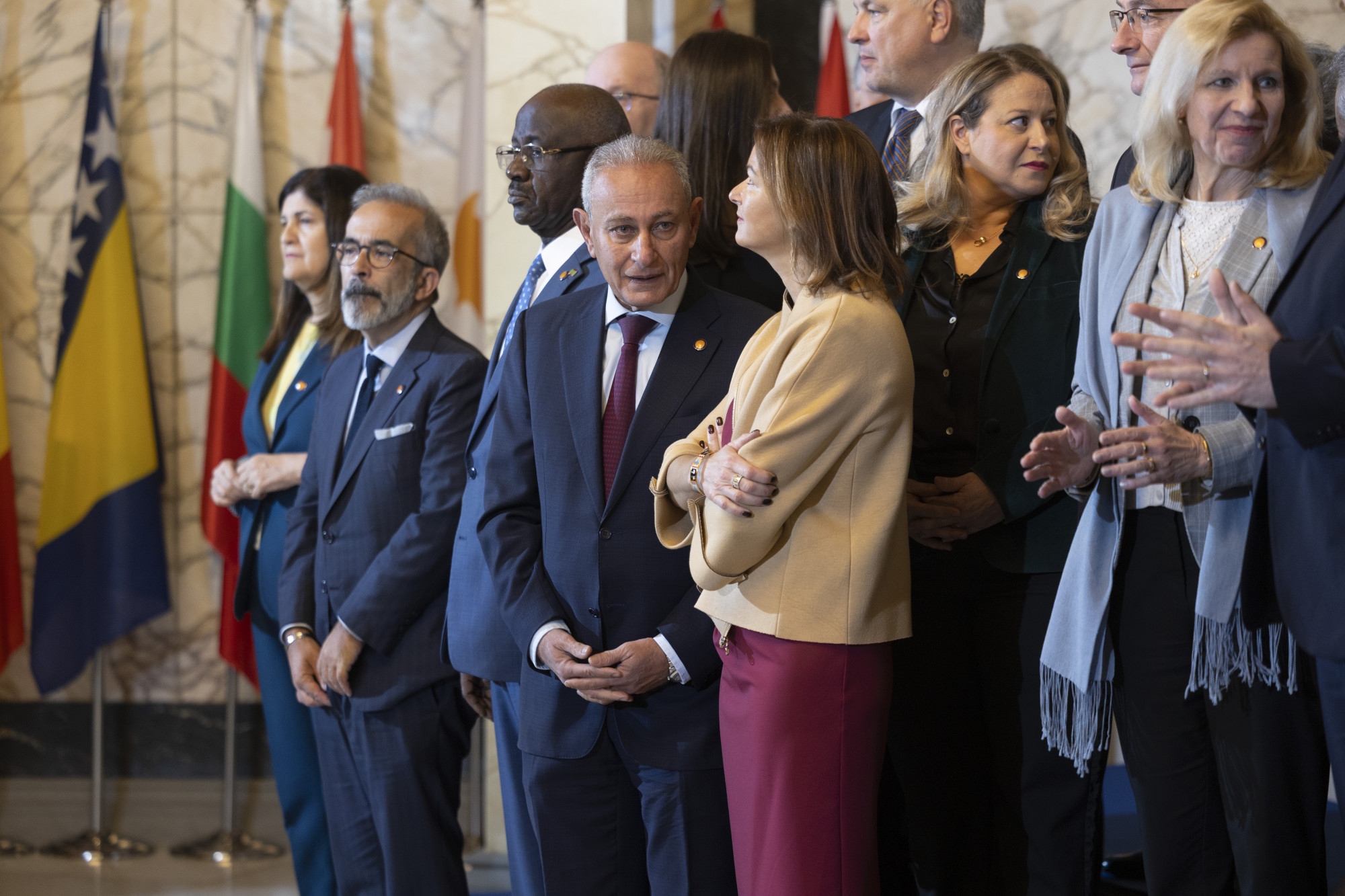
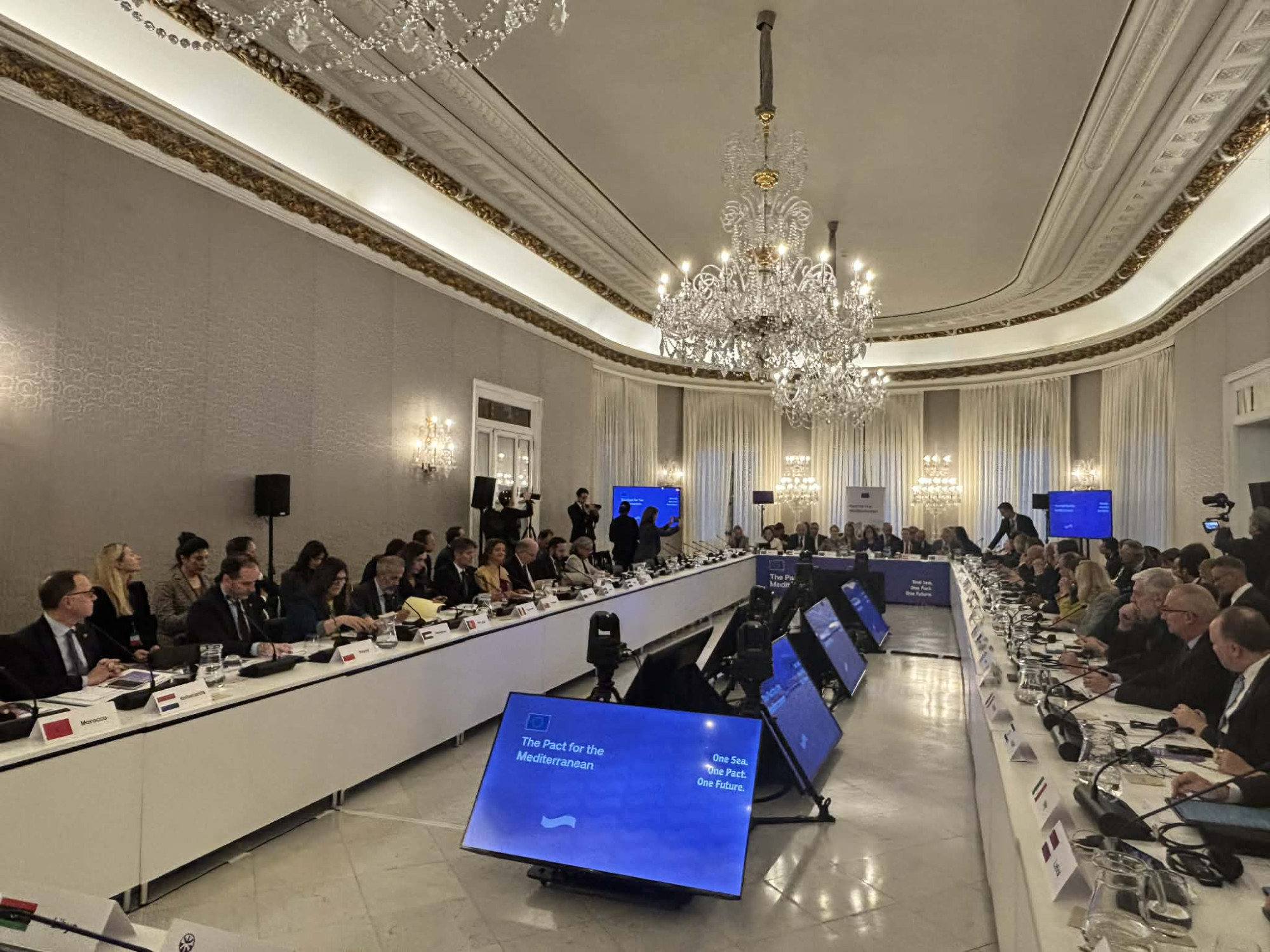
"The countries bordering the Mediterranean Sea in Europe, Asia and Africa, with their diverse cultures, perspectives and languages, must once again find synergies for a better tomorrow. At a time of geopolitical turmoil in the region and worldwide, we face challenges and obstacles that no country can tackle on its own. I hope that, 30 years after the start of the Barcelona Process, we will once again find inspiration for dialogue and cooperation between the EU and its southern neighbours," said Minister Tanja Fajon.
In light of the 30th anniversary of the Barcelona Declaration on 28 November 1995, which established the Euro-Mediterranean Partnership (EUROMED) and laid the foundations for the Union for the Mediterranean on 13 July 2008, participants gathered in Barcelona to confirm their vision for the future of the Mediterranean region. The Union for the Mediterranean (UfM) is the only regional platform that brings together the northern and southern Mediterranean. "The key is investing in people. The future of the region lies in young people and their empowerment: education, mobility, human capital and economic opportunities. We hope that this will also be reflected in the action plan, including through the use of existing tools such as Euro-Mediterranean universities, including EMUNI, regional networks and work on mobility and university alliances, which could be implemented through the Union for the Mediterranean," she added.
Pact for the Mediterranean adopted
The first of two meetings in Barcelona between EU member states and the Southern Neighbourhood (Algeria, Egypt, Israel, Jordan, Lebanon, Libya, Morocco, Palestine, Syria and Tunisia) saw the adoption of the Pact for the Mediterranean. It focuses on partnerships and investments, economic stability, job creation, energy, security, migration and other areas of common interest, while upholding EU values and principles. The EU needs comprehensive partnerships, particularly in the Southern Neighbourhood, as the future of both Mediterranean shores is shared.
The Pact is based on three pillars:
I.
People first (higher education, skills, a new Mediterranean university, innovation and research, student mobility, culture and sport),
II.
Stronger, more sustainable and integrated economies (trade competitiveness, investment and inclusive growth, start-up fund, entrepreneurship programmes, Trans-Mediterranean Renewable Energy and Clean Tech Initiative, sustainable fisheries and agriculture, digital connectivity, carbon-free transport),
III.
Security, preparedness and migration management (Euro-Mediterranean Peace and Security Initiative, disaster preparedness and resilience, comprehensive approach to migration management, border security).
Minister Fajon: Peace in the Middle East is the top priority
At the second meeting in the Catalan city, the headquarters of the Union for the Mediterranean, ministers emphasised that, given the current global events, we cannot continue along the same old paths. We must recommit ourselves to cooperation, peace and justice. "I believe that this day is special and important for the Mediterranean. There are 43 representatives of countries sitting at this table, and everything we say is important. However, words are not enough. Neither are written documents. We must take action and implement agreements and ideas. Together, we must stand up for international law. We must strengthen trust and cooperation to ensure peace and dignity for all in the Mediterranean region. As regards the horrific aggression against Gaza, we have done too little. It is up to us to decide how and to what extent we contribute to a lasting and just peace. The same applies to Europe, where we must strive for an immediate and unconditional ceasefire and an end to the war in Ukraine. Slovenia consistently advocates respect for international law, international humanitarian law and the UN Charter. We strive for peace and security in the world. You can count on us," Minister Fajon said during the debate, adding that it is necessary to build bridges and seek political solutions rather than military ones. The worrying situation in the Middle East concerns all of us in the Mediterranean, and all countries of the Union for the Mediterranean should contribute to peace and coexistence among all nations.
Representatives of the Mediterranean countries have confirmed the new vision for the Union for the Mediterranean, which aims to revitalise, strengthen and empower it as a strong regional actor.
The new vision is focused on:
- Infrastructure, digital transition, trade and new technologies.
- Climate action, environmental sustainability, green transition and sustainable blue economy, circular transition and energy transition.
- Disaster management, civil protection and resilience.
- Education, research and the creation of decent jobs.
- Human development, inclusion and the empowerment of women and young people.
- Mobility and the root causes of migration.
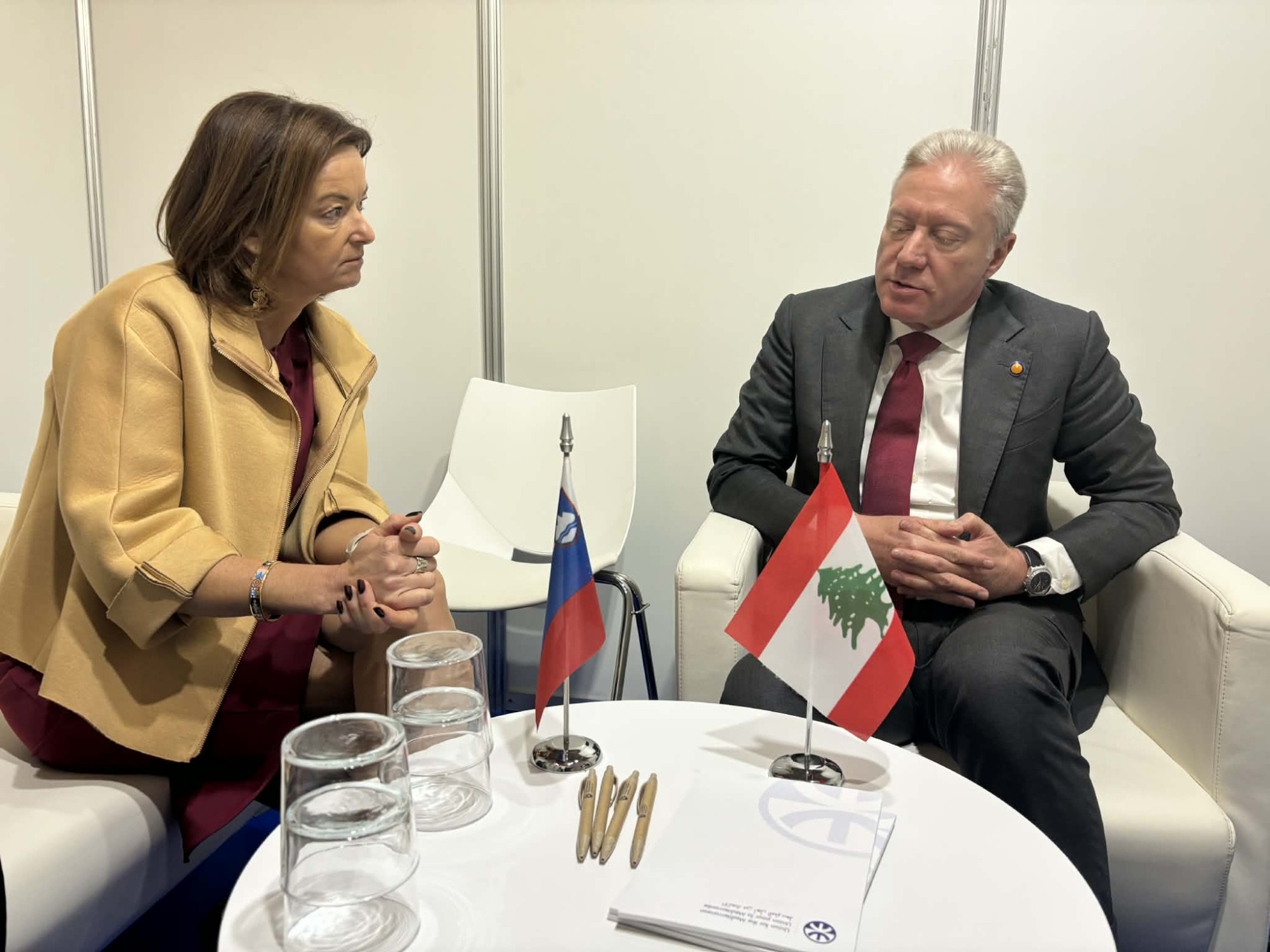
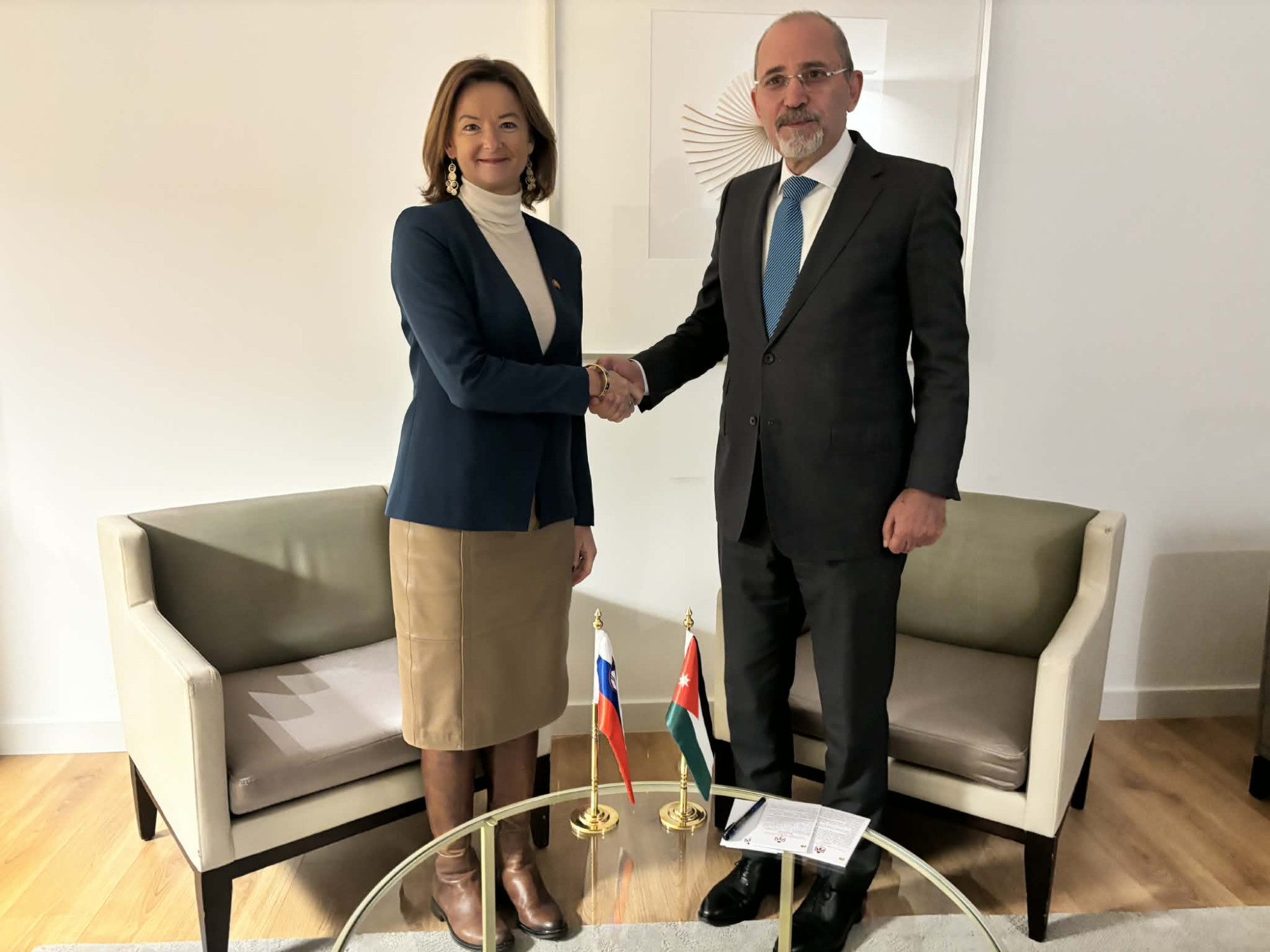
On the sidelines of the meeting, Minister Tanja Fajon met with several foreign ministers, including those of Jordan, Palestine and Lebanon.