

International Exercise Adriatic Sea SARex/COMex 2026
The exercise involved representatives and units of the maritime search and rescue authorities of Italy, Slovenia and Croatia. The activities also included the European agencies EMSA (European Maritime Safety Agency), EFCA (European Fisheries Control Agency) and Frontex (European Border and Coast Guard Agency).
The Republic of Slovenia was represented by Arturo Steffé of the Slovenian Maritime Administration, who participated in the Joint Coordination Team (JCT). The team monitored the progress of the exercise, coordinated cooperation among the participating countries and agencies, and assessed information-sharing procedures between operational centres and other stakeholders.
Testing International Cooperation
The primary objective of the exercise was to evaluate the effectiveness of international cooperation in maritime search and rescue operations, the harmonization of procedures in accordance with the International Aeronautical and Maritime Search and Rescue Manual (IAMSAR), and the interoperability of operational centres and units of the northern Adriatic countries.
Particular emphasis was placed on testing the use of the Common Information Sharing Environment (CISE), which enables secure and standardized exchange of maritime information among European countries and agencies, thereby contributing to an enhanced common operational picture at sea.
Simulation of a Maritime Accident
The exercise scenario involved a nighttime collision between a fishing vessel and a merchant ship in the waters off Grado. Following the collision, the fishing vessel was presumed sunk, while the merchant ship left the scene unidentified. An international search and rescue operation was launched, involving maritime and aerial assets from all three countries.
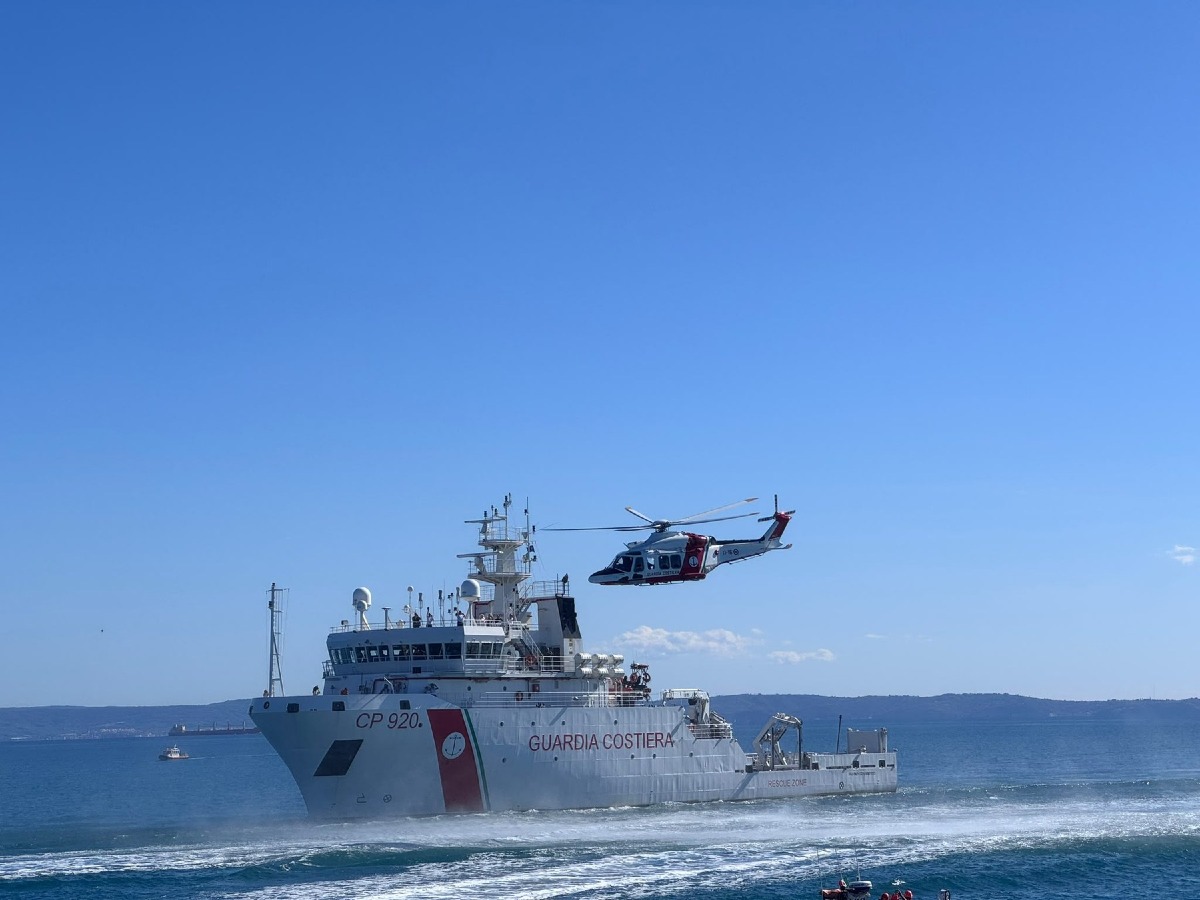
The operational phase of the exercise included the Italian patrol vessel Gregoretti, an Italian Coast Guard helicopter, search and rescue units from Italy, Slovenia and Croatia, the EFCA patrol vessel Ocean Sentinel, and operational centres in Trieste, Koper, Rijeka and Rome. The exercise also included a simulated medical evacuation (MEDEVAC) and a test of information exchange through the CISE system.

Successfully Tested Capabilities
During the exercise, the following capabilities were successfully tested: the exchange of information on a maritime incident between the competent coordination centres, cross-border coordination of search and rescue operations, the establishment of a common operational picture among operational centres, and the interoperability of national systems and the capabilities provided by European agencies.
The results of the exercise confirmed the high level of preparedness of the maritime search and rescue services of Italy, Slovenia and Croatia, as well as the effectiveness of the established procedures for international cooperation. The exercise also confirmed the important role of the CISE system in information sharing and the coordination of activities between national authorities and European partners.
Slovenia's Contribution
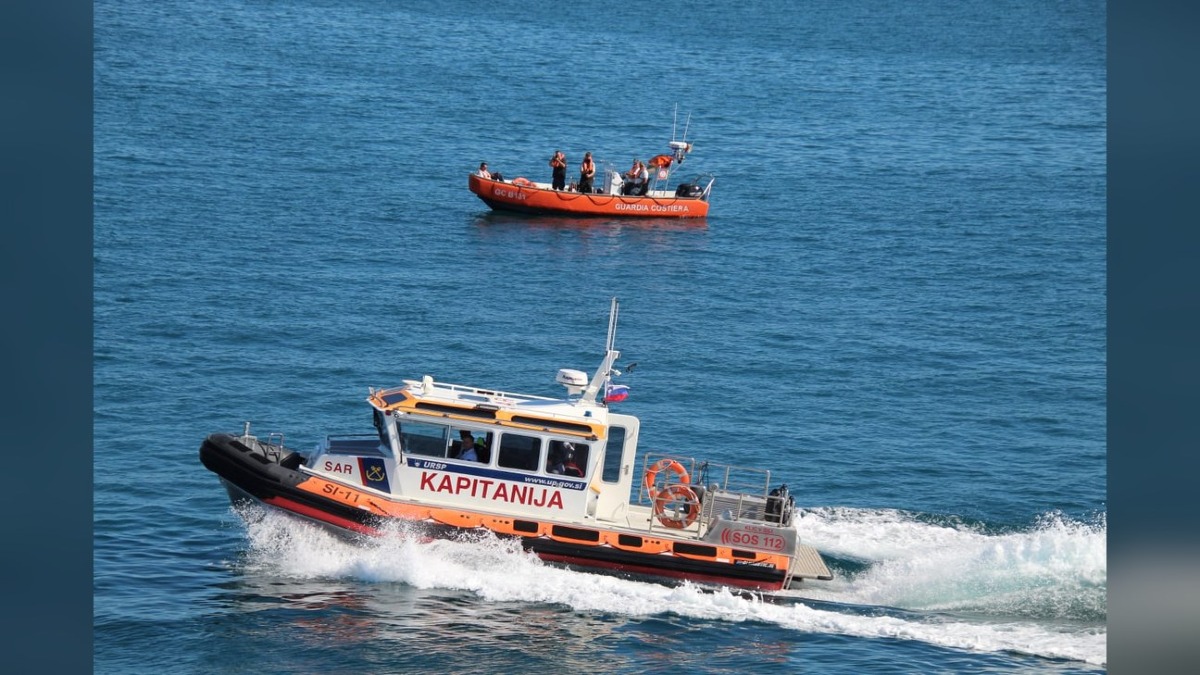
The Republic of Slovenia participated in the exercise with the assets of the Slovenian Maritime Administration, including the vessel SI-11 and the MRCC Koper (Maritime Rescue Coordination Centre Koper). Particular emphasis was placed on cooperation and coordination between MRCC Koper, the Italian MRSC Trieste, and the competent Croatian authorities.
The Adriatic Sea SAREX (Search and Rescue Exercise) 2026 once again confirmed the importance of close international cooperation in ensuring the safety of navigation and providing an effective response to maritime accidents and other emergencies at sea. The experience gained during the exercise will contribute to the further development of joint search and rescue capabilities in the northern Adriatic.