

Minister Rifelj emphasises the importance of a feasible and financially responsible climate transition at COP31
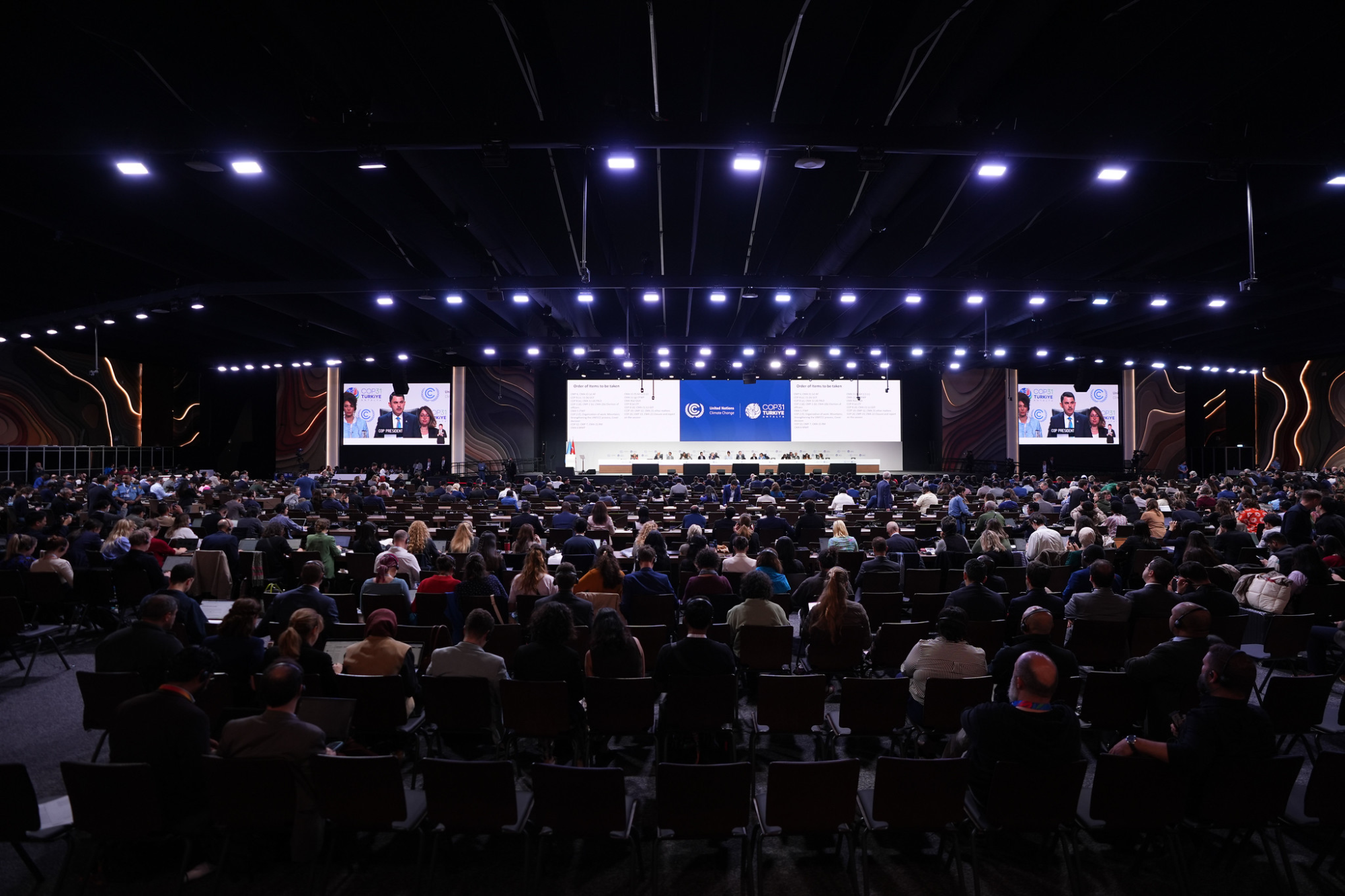
The 31st session of the Conference of Parties to the United Nations Framework Convention on Climate Change (COP31) in Antalya. | Author COP31
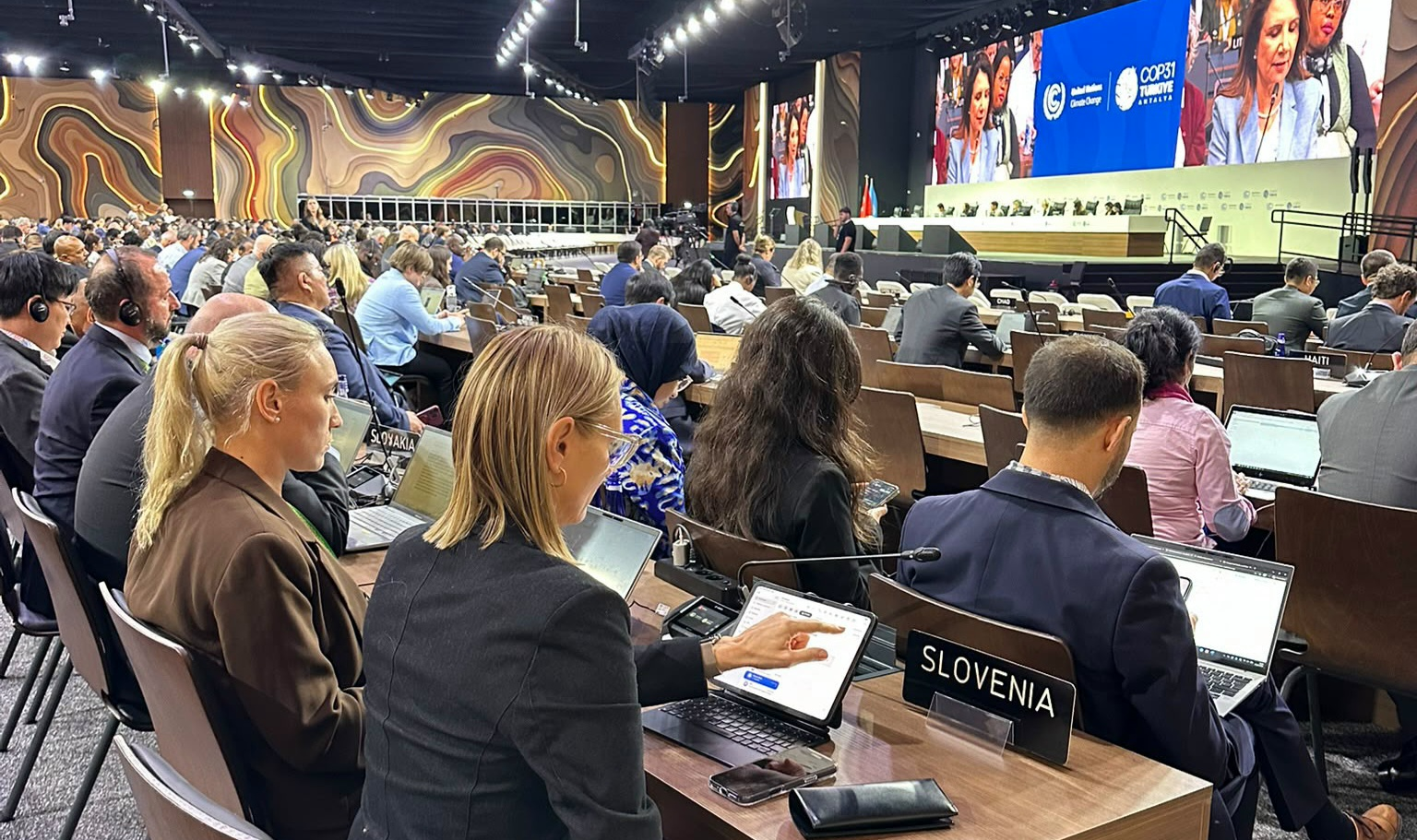
The proposed text of the cover decision, which serves as the conference's overarching political decision, failed to provide a convincing response to the need to reduce emissions more rapidly and accelerate global action to build climate resilience. It is particularly concerning that the text omitted even some decisions that had already been adopted by consensus, including a reference to transitioning away from fossil fuels, as agreed by countries at COP28 in Dubai in 2023 in the context of the energy transition. Nor did it adequately address the needs of developing countries in relation to adaptation and the management of loss and damage.
The European Union, together with several partner countries, insisted that the final document must uphold existing commitments and ensure credible progress in implementing the Paris Agreement. It therefore withheld its support for the document, a position shared by some other countries. Significant differences also remained over the role of carbon capture and storage (CCS) technologies, climate finance and the response to the anticipated overshoot of the 1.5 °C temperature target.
As no consensus was reached, the cover decision was not adopted. Nevertheless, the conference achieved important results in specific thematic areas. One of the most notable outcomes was the agreement on the further development of the just transition mechanism under the just transition work programme. Its purpose is to strengthen international cooperation and help countries develop just and inclusive pathways towards a low-carbon economy. The transition must take into account not only climate goals but also people, jobs and economic and social circumstances, while ensuring that its benefits reach as many people as possible.
Discussions on climate finance proved challenging. The guidance adopted for the future work of the international climate funds (the Green Climate Fund and the Fund for responding to Loss and Damage), together with the agreement on a two-year work programme on climate finance, lays the groundwork for improving access to funding and directing it more effectively towards specific projects and programmes that support the most vulnerable communities. The work programme envisages further discussions on the implementation of the collective goal on climate finance, including broadening the contributor base and mobilising private finance. Particular emphasis continues to be placed on adaptation finance and on ensuring more effective support for developing countries.
Progress was also made at the conference in supporting developing countries, particularly in capacity-building, access to knowledge and climate technologies, and the implementation of their obligations under the Paris Agreement. These are important prerequisites for countries to achieve their climate goals in practice rather than merely on paper.
During the negotiations, Minister of the Environment and Spatial Planning Polona Rifelj supported the European Union's common positions, while placing particular emphasis on energy security, technological neutrality, economic competitiveness and responsible climate finance.
Slovenia advocates the use of all clean and low-carbon energy sources, as well as climate measures that not only reduce emissions but also promote economic development, quality jobs and social inclusion.
At the close of the conference, the Minister emphasised: "The outcomes of COP31 fell short of expectations, as countries failed to reach consensus on a common political decision. The world needs a clear and credible response to our shared climate challenges, not a step backwards. During the negotiations, Slovenia supported the European Union's common position that the conference conclusions must not water down existing commitments, particularly those agreed at COP28 on the energy transition and transitioning away from fossil fuels.
"Nevertheless, COP31 did achieve some results," Rifelj emphasised. "The agreement on just transition is important, as the transition towards a cleaner economy must take into account the needs of people, workers and local communities. We must ensure that the transition brings tangible benefits to people, particularly in the form of quality jobs, affordable energy and better living conditions."
The Minister also noted that financing climate action in developing countries had been an important part of the discussions. "Slovenia fulfils its obligations and contributes to international climate and environmental funds. In making further decisions on financing, it is therefore important that we honour existing agreements, establish a clear basis, provide appropriate assurances and ensure proper oversight to verify that funds are used for their intended purposes."
Water and climate resilience among Slovenia's priorities
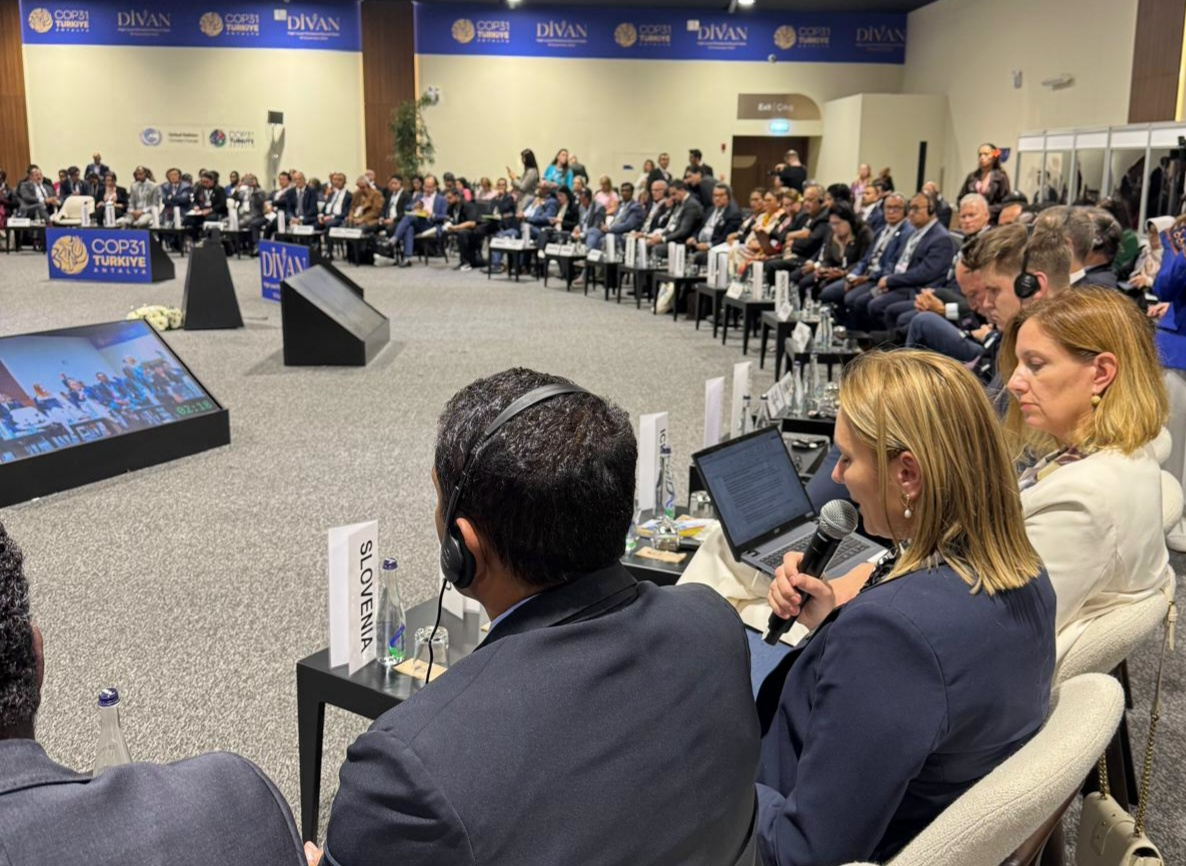
At the ministerial session of the Baku Dialogue on Water for Climate Action, the Minister emphasised the importance of closer integration of water and climate policies and systematically integrating water management into climate action. She highlighted the importance of transboundary water cooperation in strengthening climate resilience, with particular emphasis on the role of the Water Convention, of which Slovenia currently holds the presidency.
At the Union for the Mediterranean's ministerial dialogue, she emphasised the importance of clean energy, energy efficiency, electrification and industrial decarbonisation, as well as effective water management and preparedness for droughts, floods and other extreme weather events. She highlighted the Drought Management Centre for Southeastern Europe (DMCSEE), based in Slovenia, as an example of successful regional cooperation.
Several bilateral meetings to strengthen international cooperation
On the margins of the conference, the Minister held several bilateral meetings:
- with Inger Andersen, Executive Director of the United Nations Environment Programme (UNEP), on international environmental cooperation, biodiversity and Slovenia's role in the Mediterranean region;
- with Ko Barrett, Deputy Secretary-General of the World Meteorological Organization (WMO), on meteorological and environmental data, early warning systems and the technical capabilities of the Slovenian Environment Agency (ARSO);
- with Dr Amna bint Abdullah Al Dahak, Minister of Climate Change and Environment of the United Arab Emirates, on the progress of climate negotiations, opportunities for bilateral cooperation and the upcoming United Nations Water Conference in Abu Dhabi;
- with Mario Nava, Director-General of the European Commission's Directorate-General for Employment, Social Affairs and Inclusion (DG EMPL), on the preparation of Slovenia's Social Climate Plan and support for vulnerable households in meeting their energy and mobility costs;
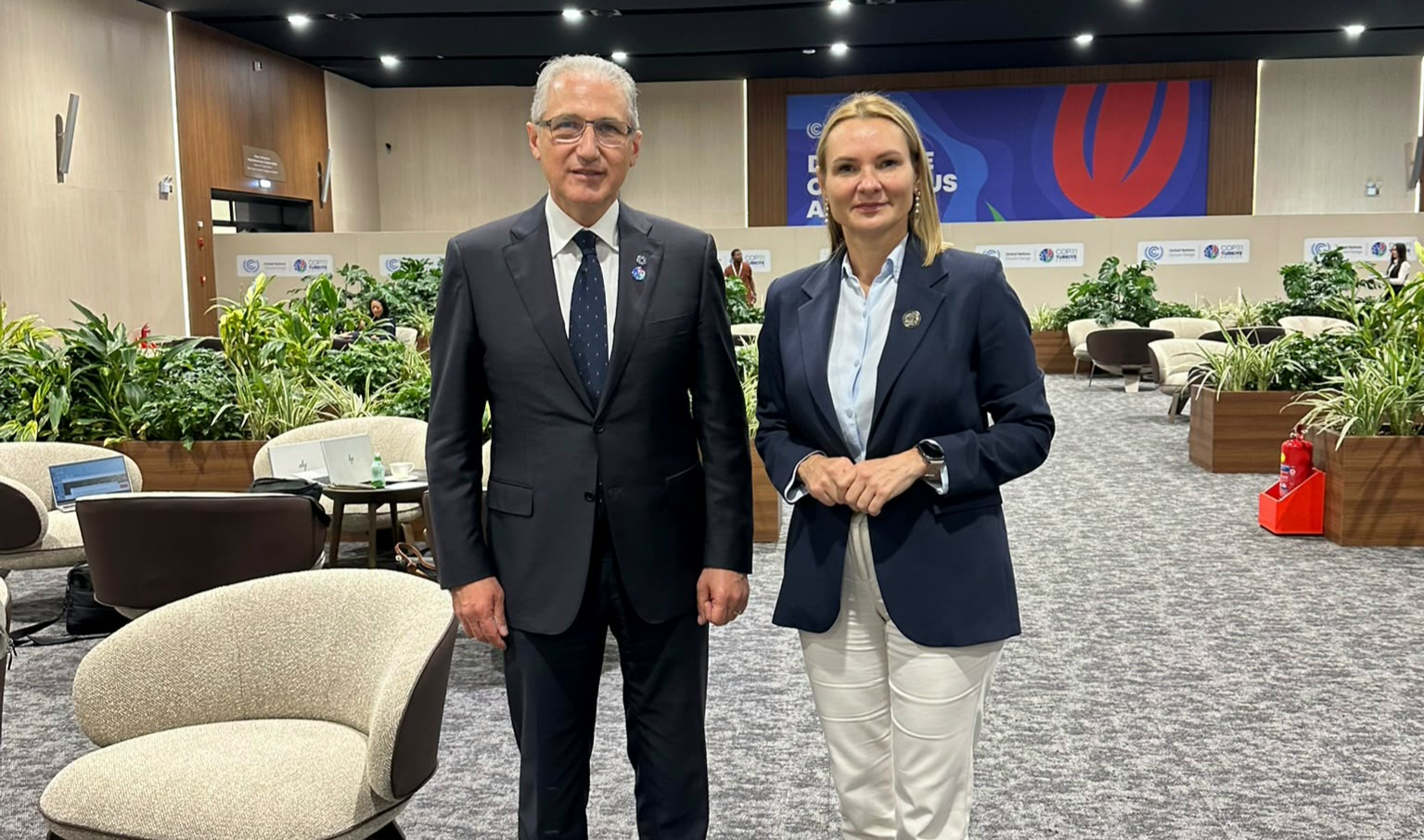
- with Mukhtar Babayev, Representative of the President of the Republic of Azerbaijan on climate issues and former COP29 President, on strengthening cooperation on environmental and climate issues and transboundary water management under Slovenia’s presidency of the UNECE Water Convention.
Continuing international climate efforts
In the negotiations, Slovenia will continue to advocate a focus on implementing existing agreements, particularly the outcome of the first global stocktake and the commitments under the Paris Agreement. It is important that further work focus on taking concrete steps to fulfil commitments, fostering effective international cooperation and supporting countries in implementing their climate plans, rather than making new commitments or duplicating existing processes. Slovenia will continue to contribute to the development of international approaches that integrate environmental protection, energy security, economic competitiveness, social justice and the responsible management of public funds.