

Janez Janša: Europe needs more strategic thinking and less regulation
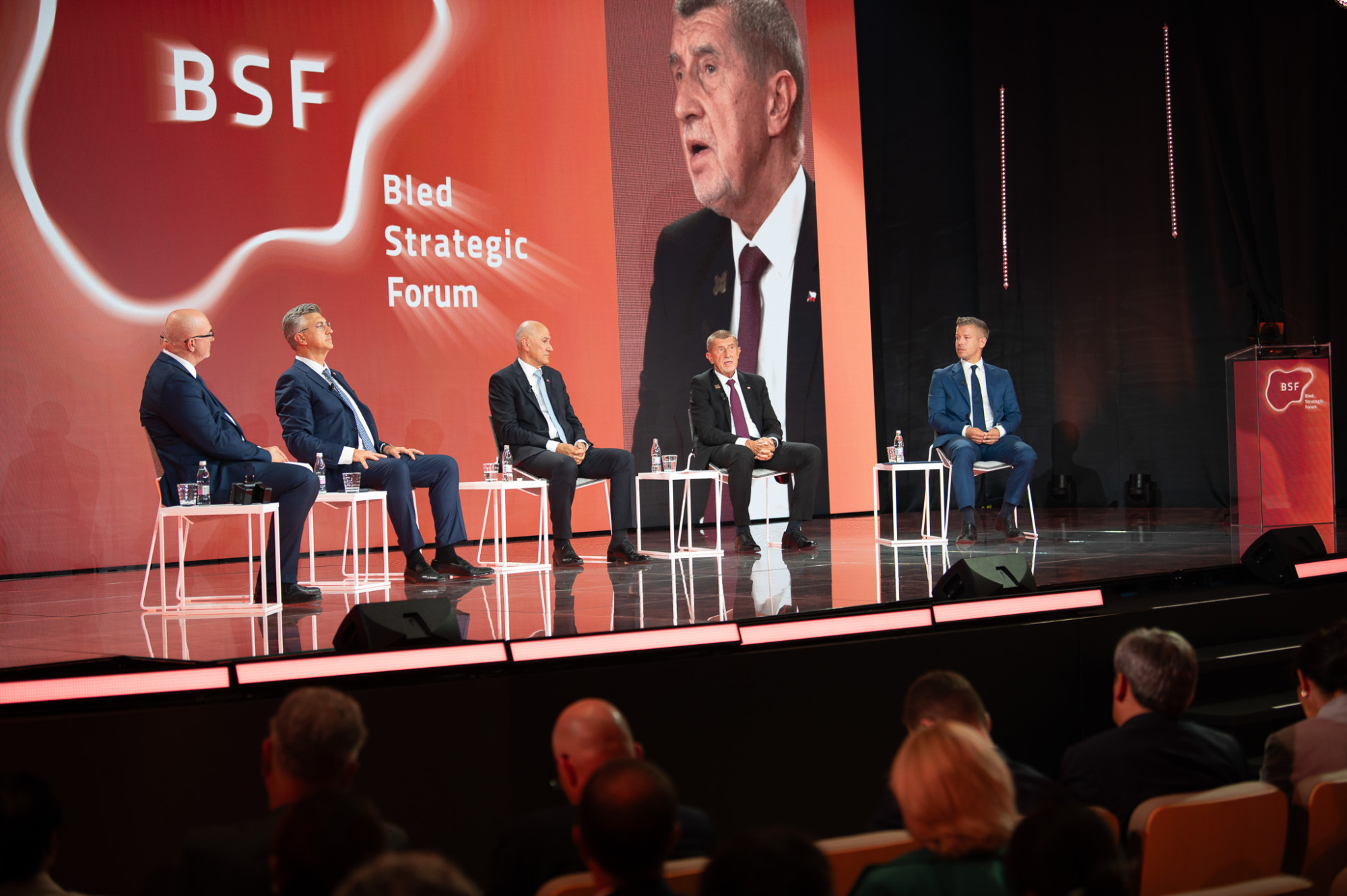
Prime Minister Janez Janša took part in Prime Ministers' Session. | Author Office of the Prime Minister
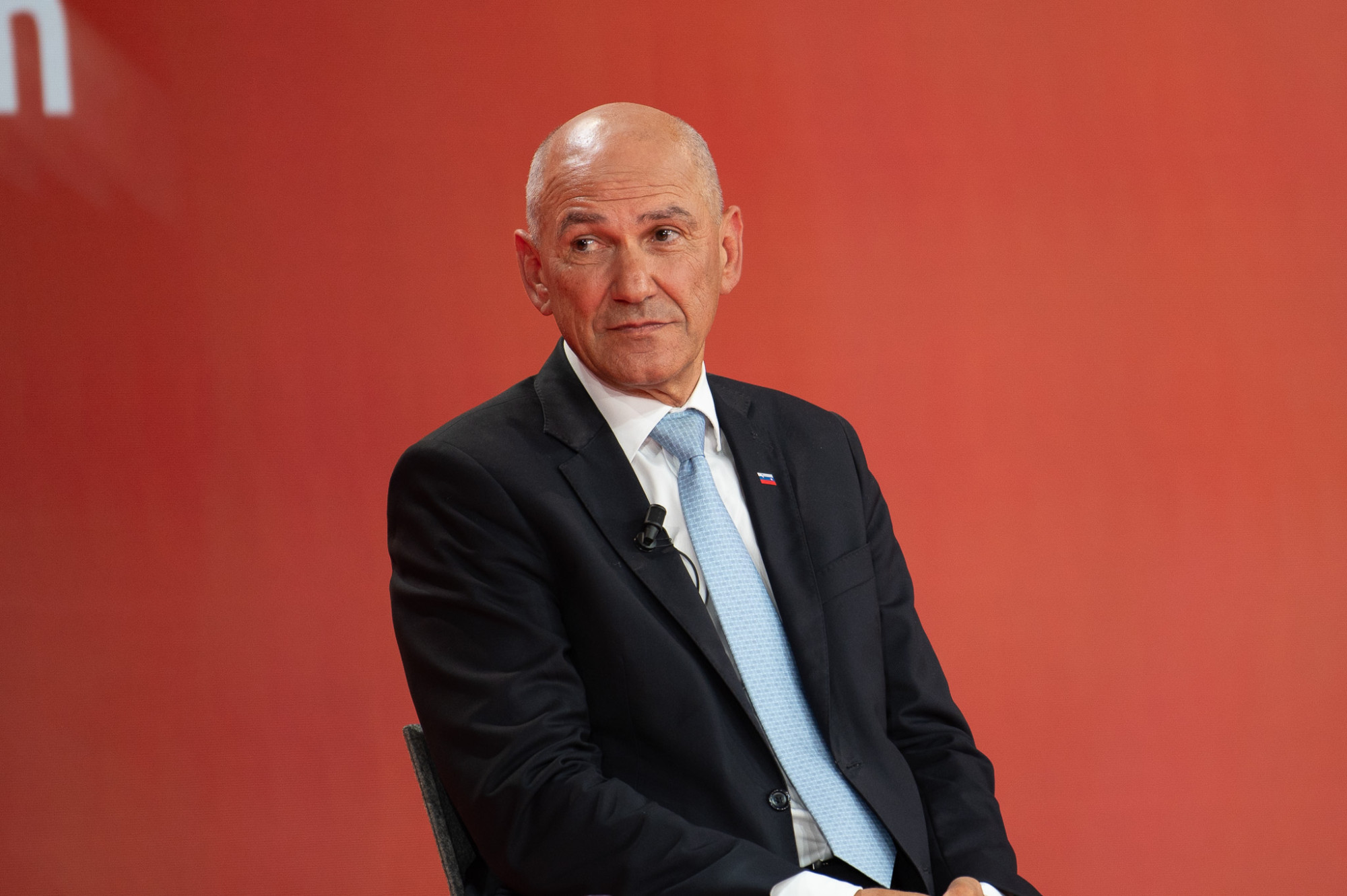
The Prime Minister emphasised that the European Union has changed fundamentally over the past two decades. After a period of enlargement, it was shaped by the economic and financial crisis, Brexit, the COVID-19 pandemic and heightened geopolitical and security tensions. "When we joined the European Union, it was the golden age of enlargement. We believed we were joining an almost perfect structure," he said.
He highlighted the good practices of Member States as one of the EU's greatest assets. "In every Member State, there is something that works extremely well. The European Union is a treasure trove of good practices," he emphasised, adding that the EU should make better use of these experiences. He also pointed out that European policy in recent years has focused too much on regulation and too little on strategic thinking.
"Over the past 20 years, we have become too dependent on cheap Russian energy, cheap goods from China and the US security umbrella, and now we are playing catch-up," the Prime Minister warned. He said that common sense was therefore returning to European policy and that the countries of Central and Eastern Europe could make an important contribution through their solutions and experience.
The Prime Minister cited migration as an example. He said that it was precisely the countries in this part of Europe that had warned early on of the need for effective protection of the EU's external borders. Recent discussions among Central European countries indicate growing alignment in their approach to migration challenges.
He was also critical of the way in which the green transition is being implemented. He pointed out that relocating industrial production from Europe to other parts of the world had weakened Europe's competitiveness without reducing global emissions. This, he said, had made Europe more dependent on other parts of the world rather than strengthening its own industrial and energy resilience.
He devoted a significant part of the discussion to the future EU budget. He said that the negotiations would be challenging, particularly in view of future rounds of EU enlargement. He emphasised that EU funds must be spent prudently and channelled into areas that deliver tangible results. Only in this way can citizens' trust in European institutions be strengthened.
The Prime Minister placed particular emphasis on security and defence. "Investing in soft power alone is not enough," he stressed. He said that the war in Ukraine had shown that Europe must invest more in its own defence capabilities and deterrence, and underpin its economic strength with adequate military power.
At the same time, Ukraine has demonstrated Europe's geopolitical importance and the need for Europe to act strategically. As the Prime Minister emphasised, the EU must be capable of protecting its interests, reducing its strategic dependencies and taking greater responsibility for its own security.
In this context, the Prime Minister also called for continued EU enlargement, particularly to the Western Balkans. In his view, the experience of previous enlargements demonstrates that enlargement is one of EU's most successful geopolitical instruments and an important factor in Europe's stability, security and development.