

Prime Minister Janez Janša attends the EU-Western Balkans Summit in Montenegro
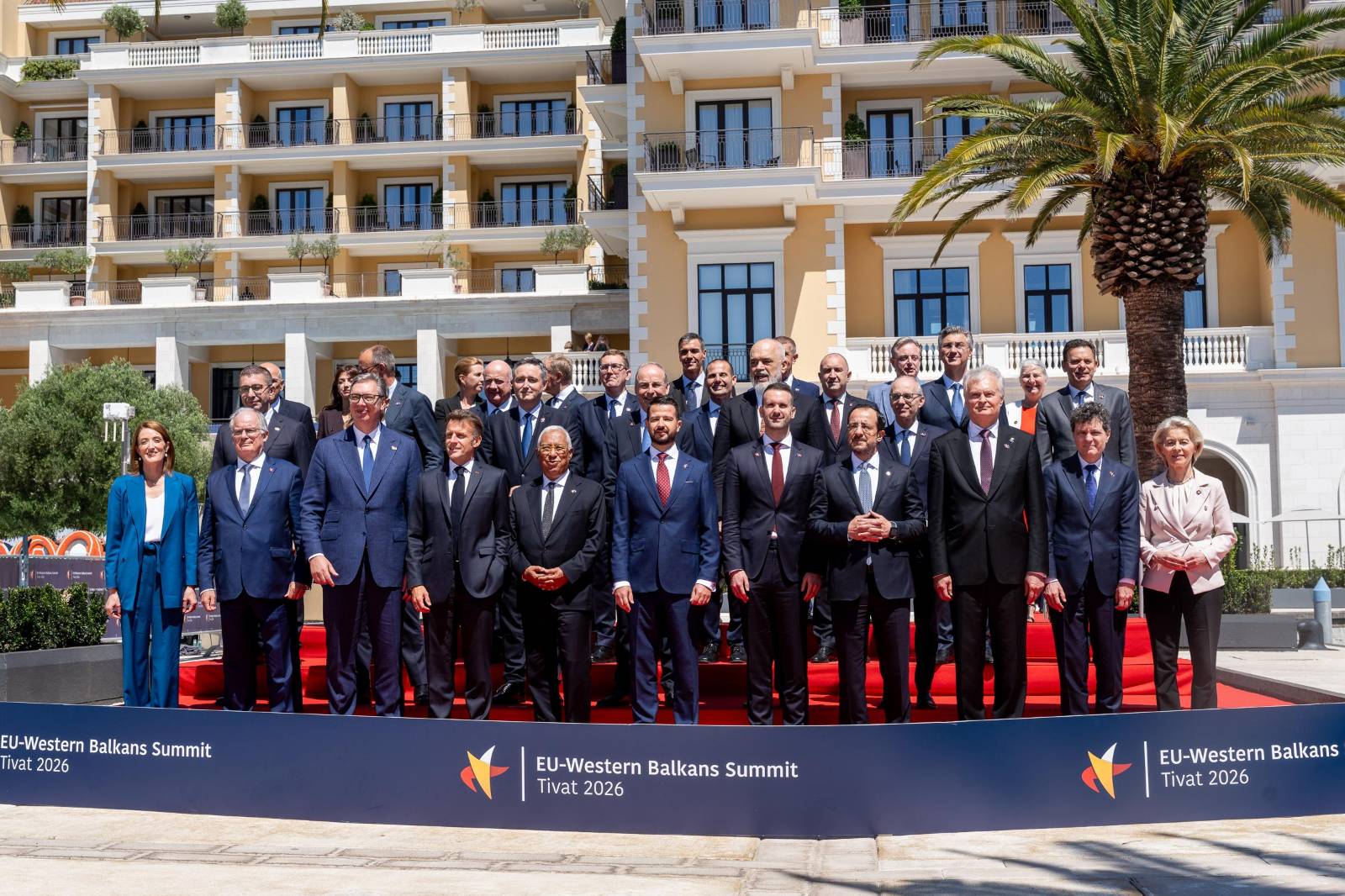
Prime Minister Janez Janša, today attended the EU-Western Balkans Summit in Tivat, Montenegro
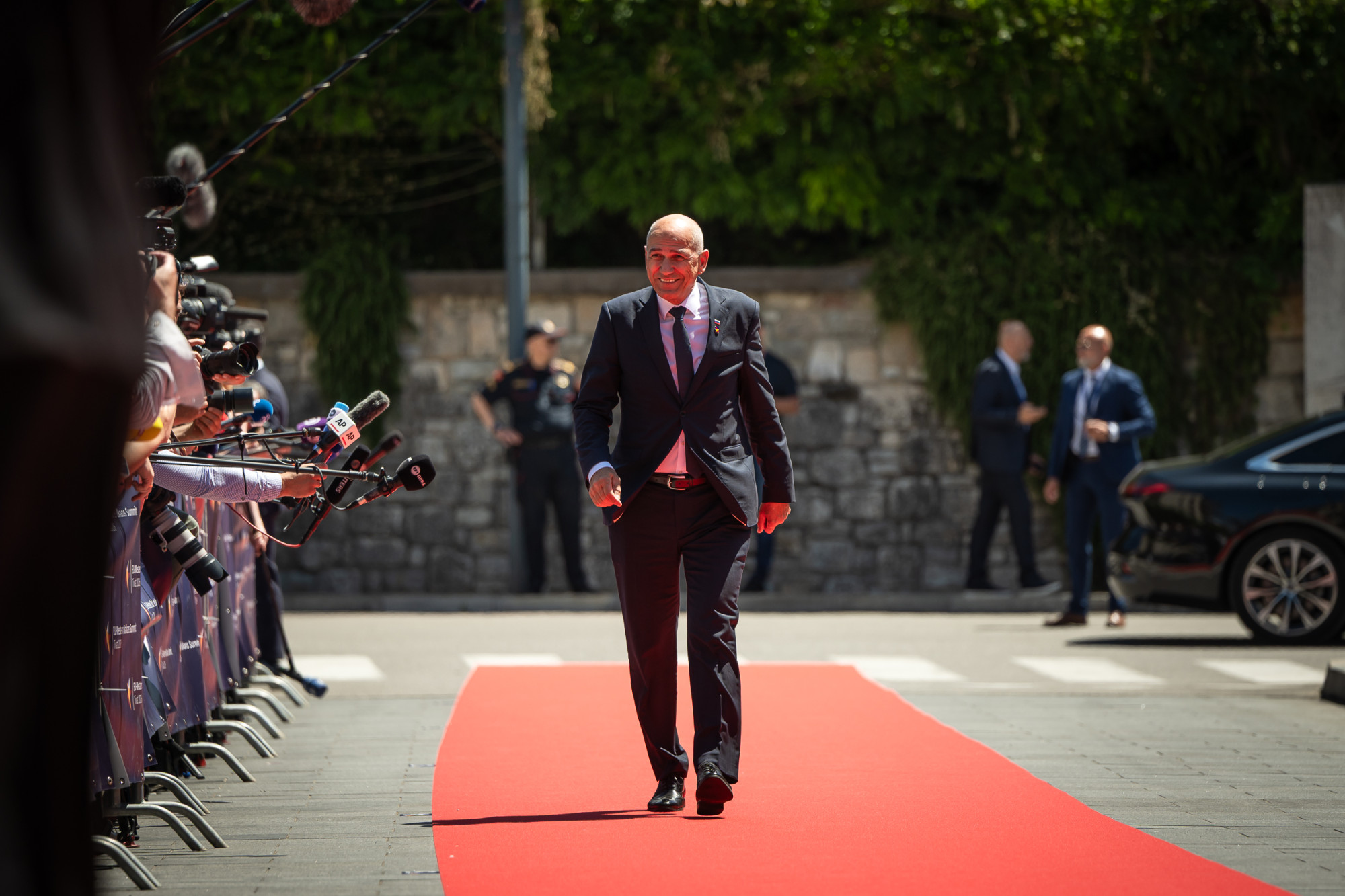
Prime Minster Janša also held several informal meetings on the sidelines of the Summit, including with the German Chancellor, Friedrich Merz, and the President of the European Council, António Costa.
The theme of the Summit was Shared prosperity and stability of the EU and the Western Balkans. The leaders exchanged views on the EU's enlargement process, the gradual integration of the Western Balkan countries into EU policies and programmes, and the implementation of the Growth Plan for the Western Balkans, which aims to accelerate the region's economic convergence with the EU.
In a statement on the sidelines of the Summit, Prime Minister Janša emphasised that Slovenia remains a strong advocate of EU enlargement, particularly with regard to the countries of the Western Balkans. Enlargement is currently high on the EU’s political agenda. However, due to bureaucratic constraints and complex democratic processes, formal procedures are progressing more slowly than many would like. He went on to highlight the importance of creating tangible steps towards integration even before candidate countries achieve full membership. He stressed that the citizens of these countries should be given a sense of genuine inclusion in the European space even before the completion of formal accession procedures. In his view, if the EU does not expand its influence and presence in the region with sufficient determination, the resulting vacuum will be filled by other global powers, which could have negative consequences for European security and stability.
The Prime Minister stated that Slovenia must build and expand its network of friendly countries and develop balanced diplomatic and economic relations with all partners with which it maintains diplomatic ties. He was critical of certain past actions by Slovenian politicians, which, in his view, had harmed mutual relations. He emphasised that at a time of heightened geopolitical tensions, Slovenia must pursue a responsible and predictable foreign policy and actively contribute to strengthening European integration, security and international cooperation.