

Counterfeit honey and unfair market practices the main topic of the second day of the International forum
- Ministry of Agriculture, Forestry and Food
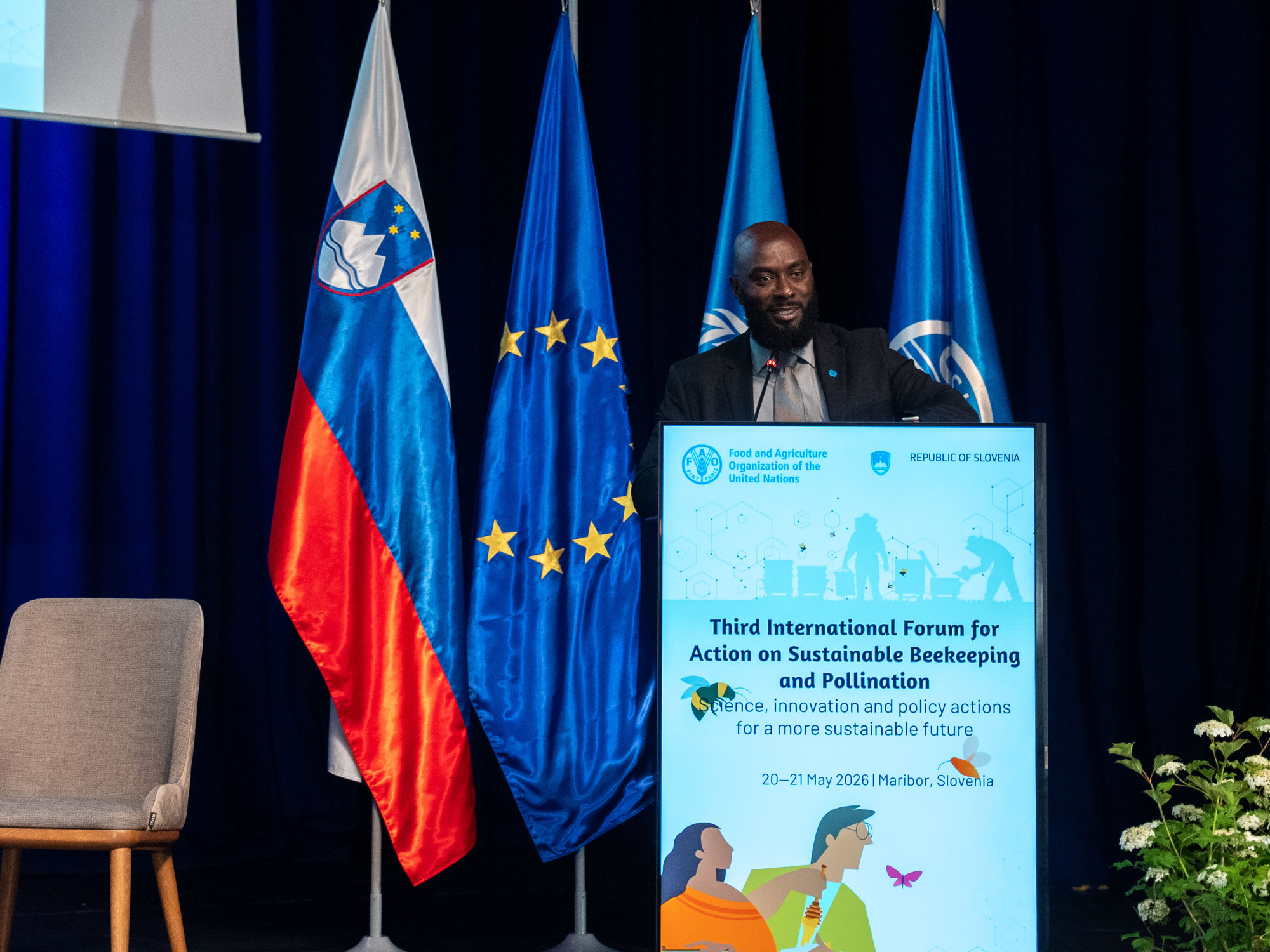
International Forum for Action on Sustainable Beekeeping and Pollination. | Author Ministry of Agriculture, Forestry and Food.
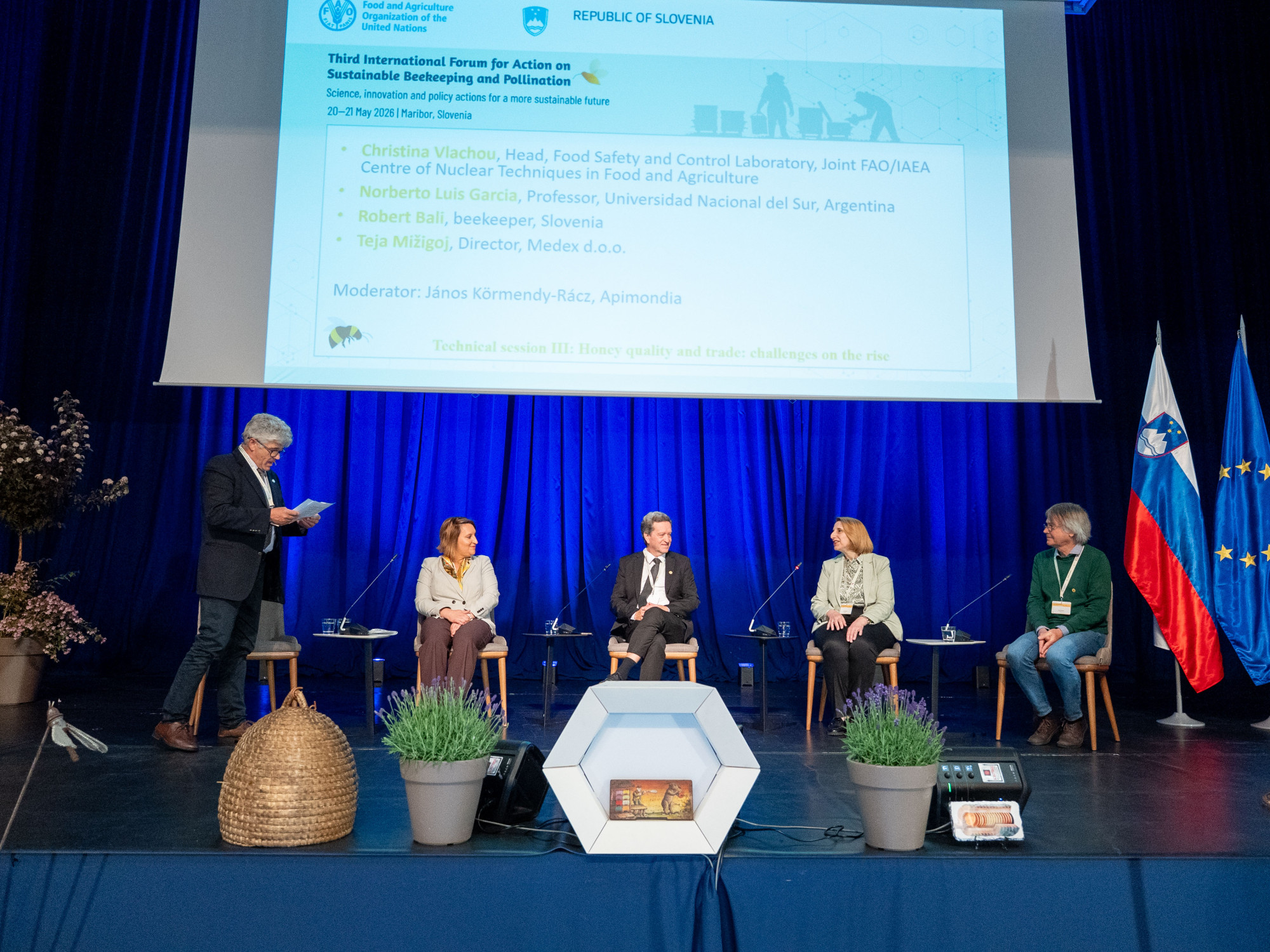
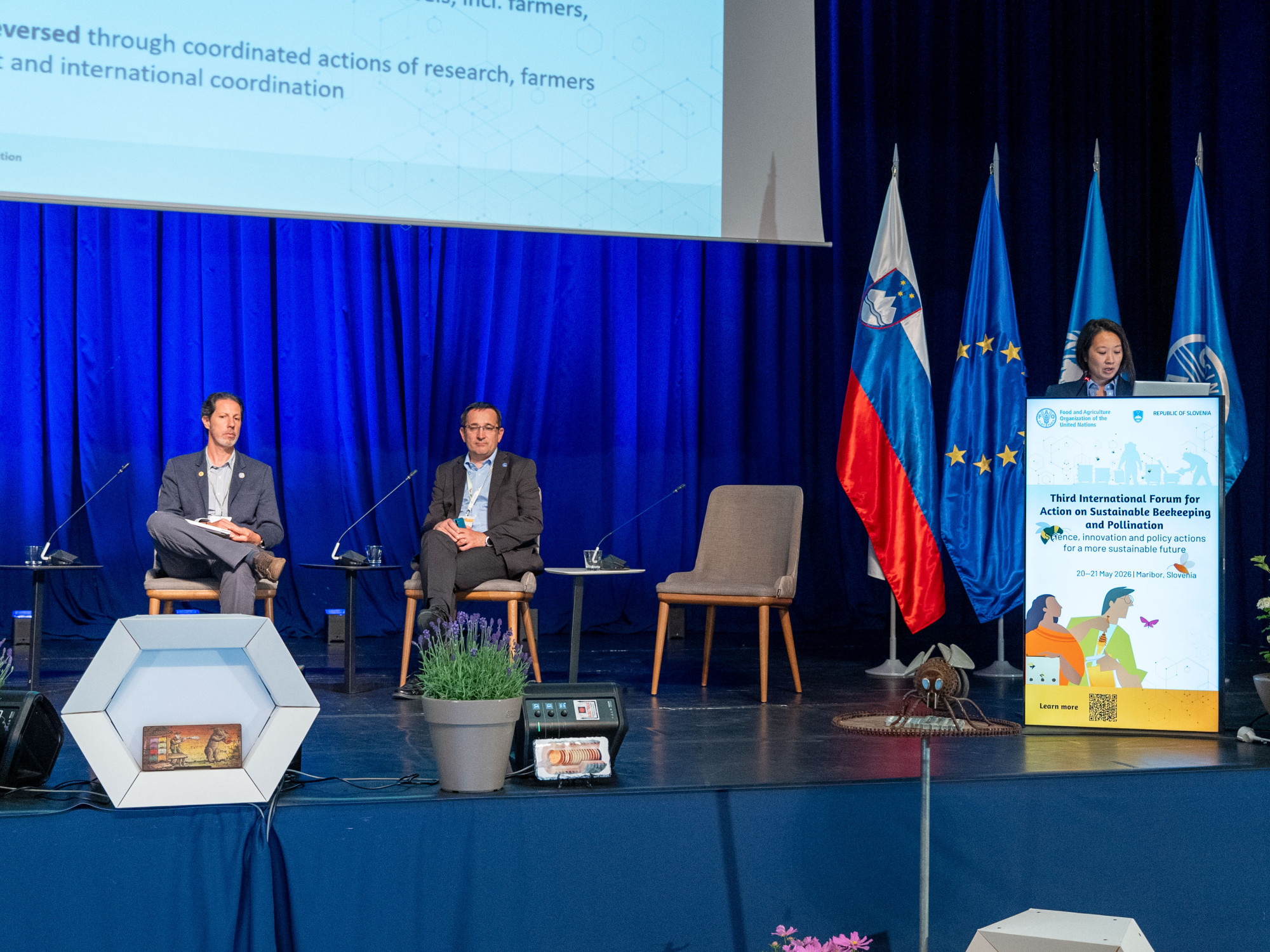
Today’s discussion, in which representatives from international organisations, state bodies, research institutions and beekeeping organisations took part, focused on the honey market and ensuring its quality. One of the main challenges identified was counterfeit honey, which negatively affects the competitiveness of beekeepers and erodes consumer confidence in bee products.
Participants highlighted a multi-faceted approach to uncovering unfair market practices as one of the possible measures available. Tools to oversee the entire chain already exist, from identifying counterfeit honey and ensuring traceability to detecting market irregularities; however, a robust international legal framework is necessary to enable consumers to differentiate between natural and counterfeit honey, while at the same time limiting unfair competition among producers. One of the key steps forward is the harmonisation of laboratory methods for the reliable identification of real honey. At the forum, participants emphasised that additional inspection and monitoring of irregularities on the market must not result in additional financial or administrative burdens for beekeepers.
As was pointed out in the discussion, ensuring consumer protection and maintaining consumer confidence are the key pillars of the sector’s long-term viability. As beekeepers face increasing challenges, necessary urgent measures need to be taken to address them, including measures to improve official oversight.
Bees and other pollinators play a key role in ensuring the health of people and the planet. They support the survival, nutrition and food security of millions of people and contribute to sustainable agri-food systems and environmental sustainability. Ensuring their future depends on raising public awareness and strengthening cooperation among all stakeholders, including beekeepers, farmers, political decision-makers, researchers and international organisations. International events such as this forum contribute directly to shaping priority areas for action and encourage new partnerships.
The Third International Forum for Action on Sustainable Beekeeping and Pollination was organised by the Ministry of Agriculture, Forestry and Food in collaboration with the Ministry of Foreign and European Affairs and the Food and Agriculture Organization of the United Nations (FAO), with the support of Apimondia, the International Federation of Beekeepers' Associations. Approximately 100 people from over 20 countries attended the event.