

Slovenia critical of some solutions from the agreement on forest reproductive material
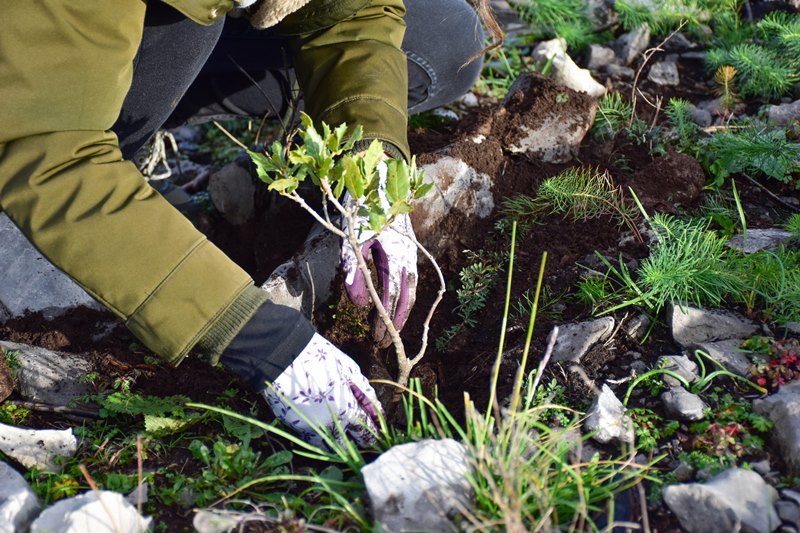
Planting of trees,. | Author Zavod za gozdove
On 8 December 2025, the European Commission, the European Parliament and the EU Council reached a provisional agreement on the proposal for a regulation establishing an updated legal framework for forest reproductive material at the Union level. The purpose of the regulation is to ensure sustainable forest management, increase forests’ resilience to climate change and at the same time support the competitiveness of the European forestry sector.
The agreement introduces the assessment of sustainability characteristics, increased use of innovative and digital tools and a reformed system for monitoring and traceability and Member States’ preparedness for forest emergencies.
According to Slovenia, the agreement brings certain positive solutions building on the Council Common Position, which Slovenia was unable to support in June 2025. These include, among other things, a voluntary national contingency plan (voluntary rather than mandatory), not conditioning imports from third countries to membership in the Organisation for Economic Co-operation and Development (OECD) scheme for reproductive material and a five-year transition period.
Despite these steps, Slovenia has highlighted that certain issues still need to be addressed properly. Particular attention must be paid to the uniform application of the rules in the internal market, as the consistent implementation of the regulation in all Member States is crucial for the smooth functioning of the European forestry sector. It is also important to clearly define the role of the competent authorities in issuing master certificates to ensure legal certainty and the reliability of the certification of forest reproductive material.
Slovenia has also pointed out the possibility of retaining national control mechanisms, which allow for the adaptation of control to local conditions and the specific needs of the forestry sector. In this regard, it is important that the organisation of official control takes into account the specific circumstances of individual countries and the characteristics of local forests, while maintaining high standards of quality, biosafety and forest health.
Slovenia has emphasised that further improvements to the agreed text would be necessary to ensure a high level of protection for forest genetic resources, legal certainty for stakeholders and a level playing field in the internal market, while fully taking into account the specifics of the forestry sector. For the abovementioned reasons, Slovenia abstained from voting.