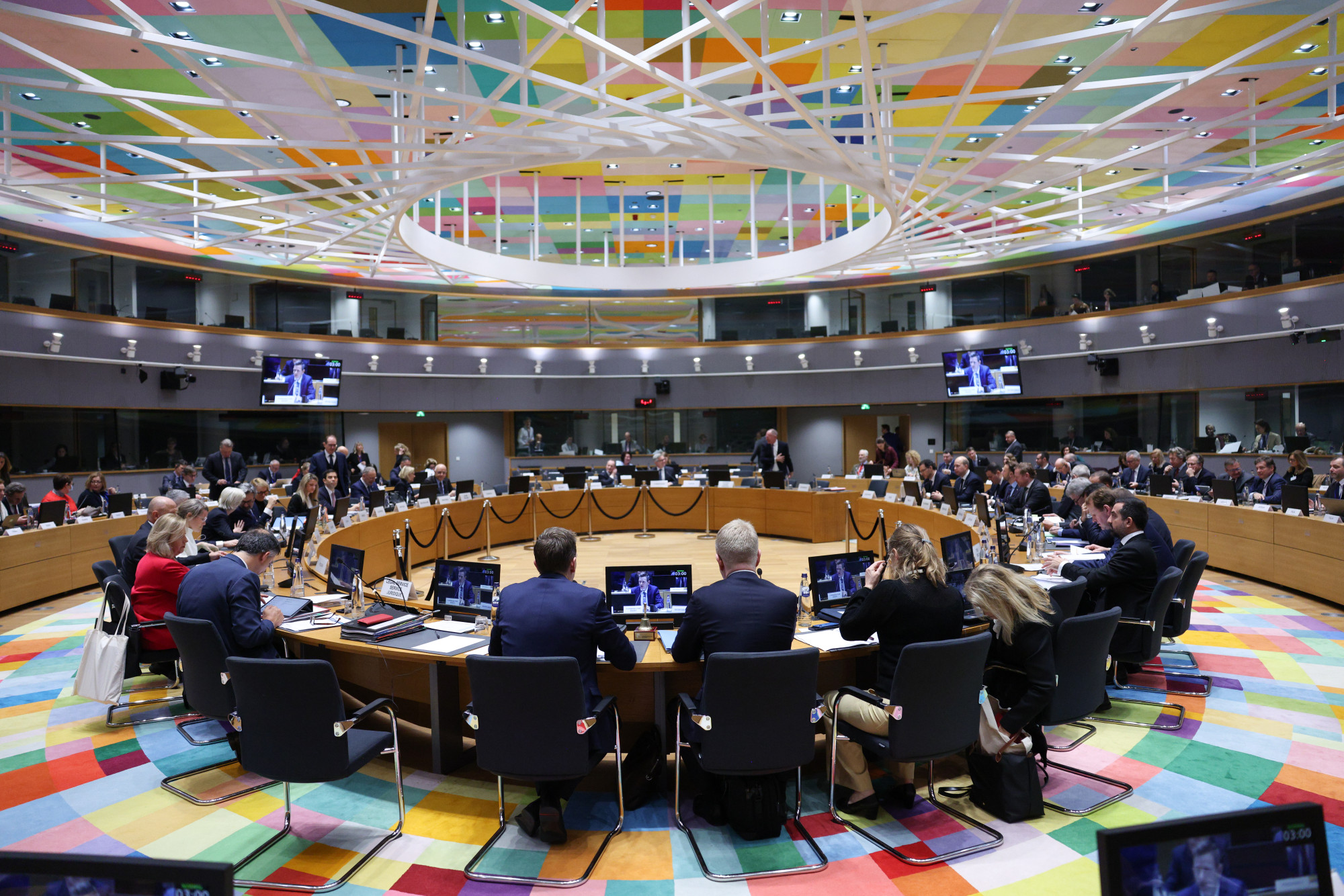
EU interior ministers reach agreement on solidarity pool for 2026
A political agreement was reached on the establishment of an annual solidarity pool for 2026. Solidarity among member states and support for member states facing migratory pressure is one of the key elements of the new Migration and Asylum Pact. This is also recognised by Slovenia, which supported the adoption of the Pact last year and will participate in this mechanism with its contribution. Details of the decision related to the solidarity cycle, in accordance with the Asylum and Migration Management Regulation, have not been made public yet.
At the meeting, a general approach was finalised on the proposal for a regulation establishing a common system for the return of third-country nationals staying illegally in the Union. For Slovenia, return is one of the fundamental aspects of a comprehensive and credible migration policy. "We support a gradual approach to the further development of the EU's common return system, as this allows for careful adjustments and helps to strengthen trust between member states and partners. Regular exchange of information, close cooperation, and assistance between member states are key to improving the effectiveness of return," said the State Secretary. She also emphasized that all solutions must be firmly based on respect for human rights and human dignity.
The Ministers also agreed on the general approach on the proposal for a Regulation establishing a list of safe countries of origin at Union level and the proposal for a regulation as regards the application of the ‘safe third country’ concept. Slovenia supported the start of negotiations with the European Parliament, as the proposed changes will speed up asylum procedures, reduce pressure on asylum systems, and contribute to greater uniformity and efficiency of procedures. At the same time, legal safeguards for applicants will be maintained and respect for fundamental rights will be ensured in accordance with the EU's obligations under international and European law.
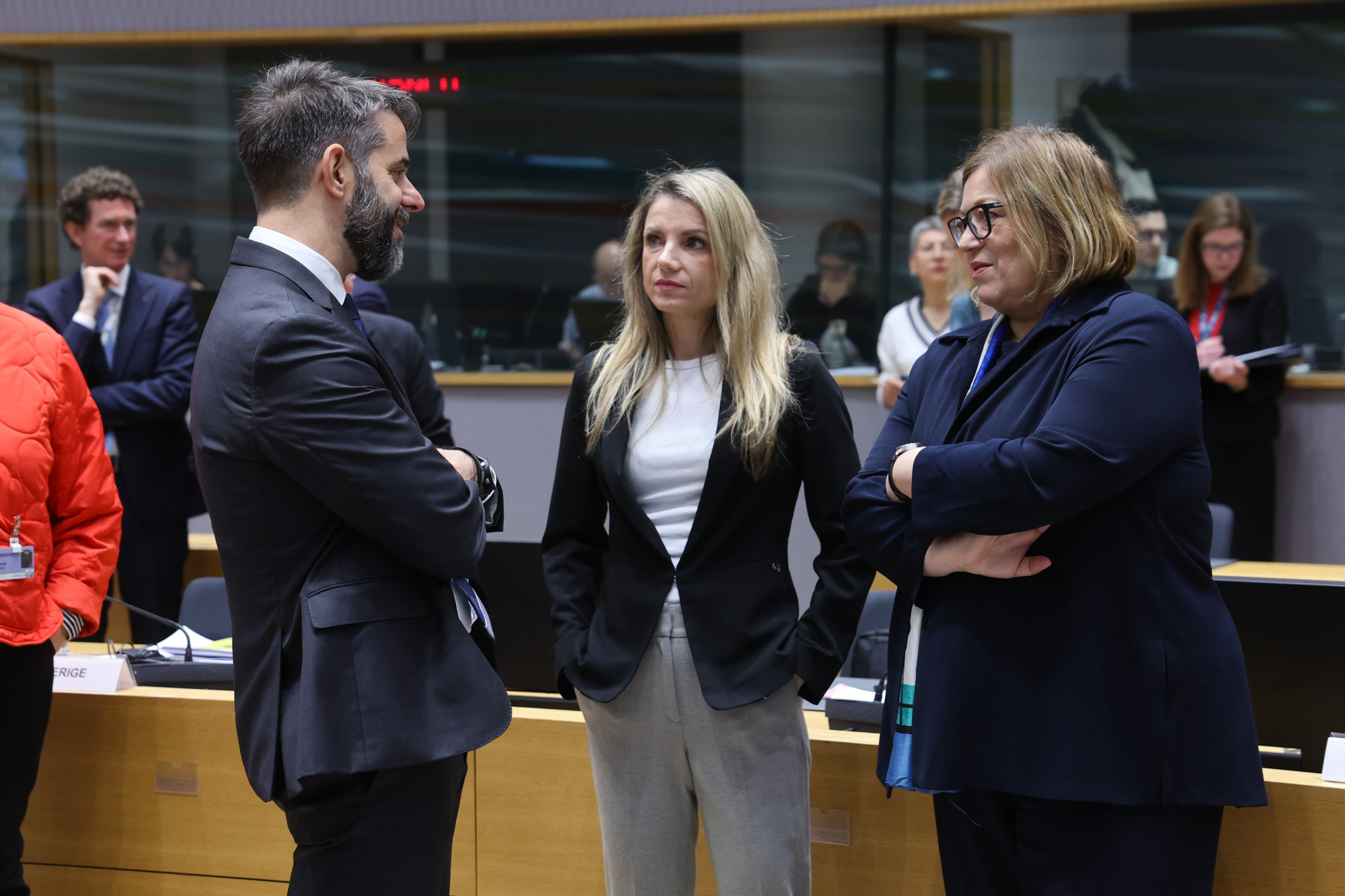
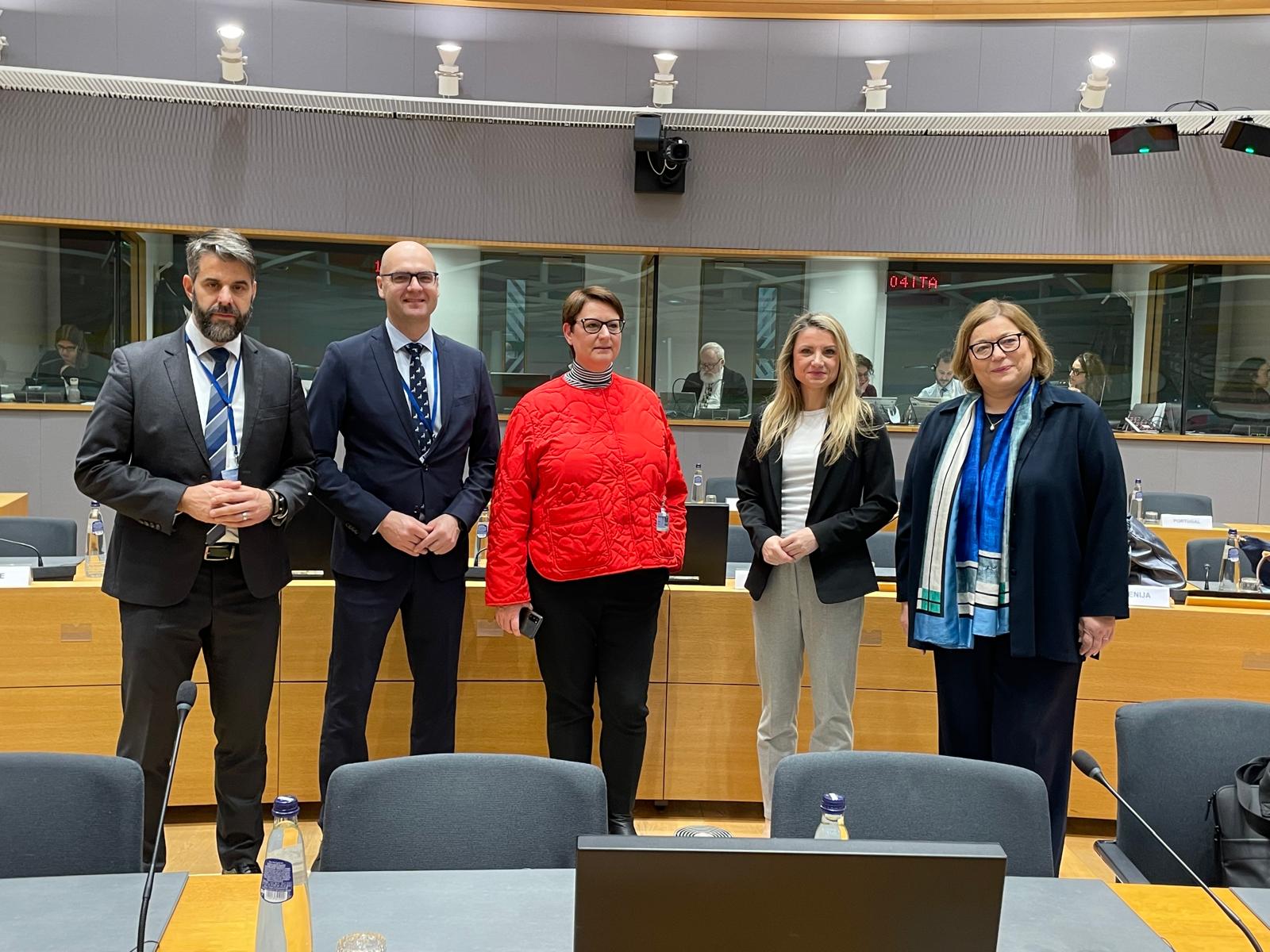
During a working lunch, the Schengen Barometer was discussed within the framework of the Schengen Council, along with the protection of the external borders and the state of play of the roll-out of EU’s interoperability architecture. "The proper functioning of the Schengen area depends primarily on the effective control and management of the common external borders," stressed State Secretary Tina Heferle, adding that Frontex also played an important role in this regard, particularly in terms of technical and operational assistance. In addition, Slovenia also supports further strengthening of support to third countries for border management. "We are also aware of the extraordinary importance of the EU's information system interoperability project, which will increase the effectiveness of border controls in the fight against cross-border and organised crime, terrorism, identity fraud, and illegal residence throughout the European Union." On this occasion, the State Secretary once again called on the European Commission to find a solution that would allow us to revert to the Schengen area as we knew it. The number of member states that have introduced internal border controls is growing. Slovenia remains a supporter of the Schengen area, and will lift the controls as soon as the situation allows.
The afternoon session is devoted to discussing the impact of current geopolitical developments on the EU’s internal security. Member states face similar challenges, including the rapid development of drones, their easy accessibility, and their increasingly frequent misuse to threaten internal security and critical infrastructure. For Slovenia, a coordinated European approach is essential in this regard. At the EU level, we should harmonise risk assessment procedures in critical infrastructure areas. Uniform standards would enable comparability, easier threat management and more effective planning of protective measures.
Ministers will be briefed on the threat assessment prepared by the internal security and intelligence services and on the state of play in the fight against drug trafficking and organised crime. The new 2026-2030 drugs strategy and the new action plan against drug trafficking will be presented. Illicit drug trafficking is a key form of serious and organized crime in the EU and continues to pose a major threat to EU citizens, as well as to the European economy and security.
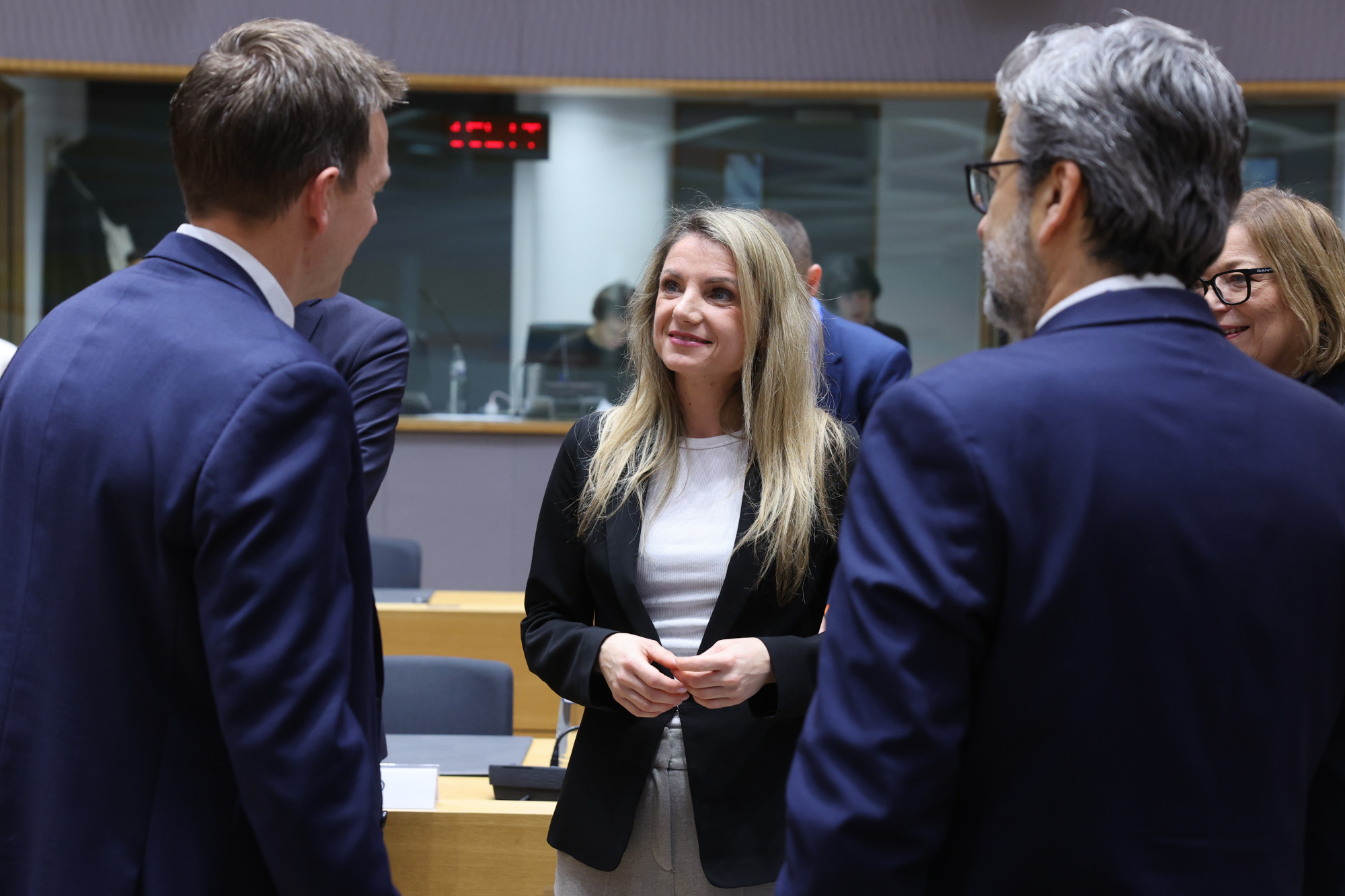
State Secretary Tina Heferle in talks with EU interior ministers | Author European Union